Ramaswamy Vows Medicaid Fraud Crackdown to Cut Ohio Healthcare Costs

Synopsis
Entrepreneur Vivek Ramaswamy, running for Ohio governor, has pledged to prosecute Medicaid fraud, recover billions, and negotiate a federal deal allowing Ohio to retain most savings — framing it as his first step toward affordable healthcare in the state.
Key Takeaways
Ramaswamy announced on May 20, 2026 , that he would prosecute Medicaid fraud and recover billions of dollars if elected Ohio governor .
He proposes striking a deal with the federal government allowing Ohio to keep most of the recovered savings.
The plan is framed as the first step toward making healthcare more affordable for Ohio residents.
The proposal continues efficiency-focused themes Ramaswamy advanced through the DOGE advisory effort with Elon Musk .
Implementation would require authorisation from Congress or the Department of Health and Human Services .
The plan reflects a broader Republican tradition of devolving entitlement programme control to states via block-grant and savings-retention mechanisms.
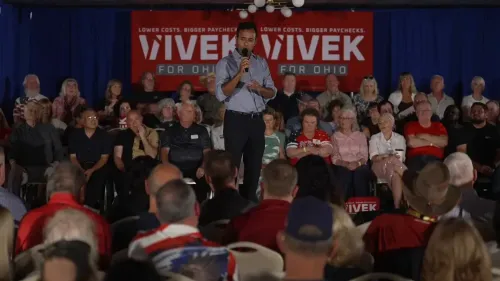
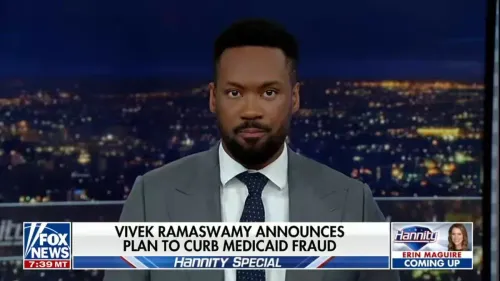
Entrepreneur and Ohio gubernatorial hopeful Vivek Ramaswamy announced on Wednesday, May 20, 2026, that if elected governor of Ohio, he would prosecute Medicaid fraud, recover billions of dollars, and negotiate a deal with the federal government allowing Ohio to retain most of those savings as the first step toward making healthcare more affordable for residents.
Context
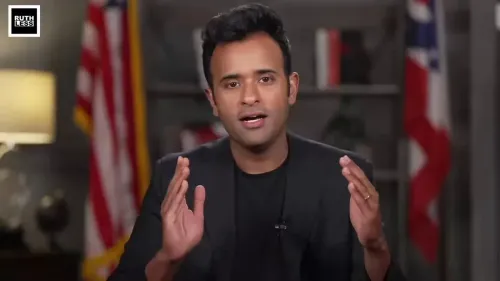
Ramaswamy posted on X that he would 'prosecute Medicaid fraud, recover billions, and strike a deal with the feds that allows Ohio to keep most of the savings,' describing this as 'the first step to make healthcare more affordable' after his election. The post directed followers to a detailed opinion piece he published on May 20 outlining the specifics of the proposal. Ramaswamy is a candidate in Ohio's 2026 gubernatorial race, leveraging his national profile as a former 2024 Republican presidential candidate and co-lead of the Department of Government Efficiency (DOGE) advisory effort.
Policy Backdrop
Medicaid, the federal-state health coverage program for low-income Americans, has long been a target of fraud enforcement actions by the Department of Justice and the Department of Health and Human Services Office of Inspector General. During the Trump administration from 2017 to 2020, expanded DOJ-HHS Medicaid fraud task forces recovered several billion dollars through False Claims Act cases, establishing a precedent for aggressive federal-state enforcement. The Affordable Care Act of 2010 significantly expanded Medicaid enrollment, which in turn intensified ongoing efforts to strengthen program integrity across states.
Ramaswamy's proposal to allow Ohio to retain a larger share of recovered fraud funds reflects a broader Republican policy tradition of devolving entitlement program control to states. Similar retention-of-savings arrangements have appeared in past block-grant proposals and budget reconciliation debates at the federal level. His efficiency-focused framing directly continues the themes he championed through the DOGE advisory initiative alongside Elon Musk.
Stakeholders and Impact
Ohio taxpayers stand to be the primary beneficiaries if recovered funds are channelled into reducing healthcare costs rather than being returned entirely to the federal treasury. Medicaid enrollees in Ohio — who depend on the programme for coverage — could see improved programme sustainability, though critics of fraud-recovery-first approaches argue that enforcement actions can sometimes disrupt access for legitimate beneficiaries. Healthcare providers operating in Ohio would face heightened scrutiny under any intensified fraud prosecution regime, with False Claims Act liability potentially reshaping billing practices across the state.
The proposal also carries implications for the federal government, as any deal allowing Ohio to retain a larger share of recoveries would require authorisation from Congress or the Department of Health and Human Services, making it contingent on political dynamics in Washington DC.
What's Next
The immediate focus shifts to Ohio's 2026 gubernatorial election, where Ramaswamy's healthcare platform will be tested against rival candidates and the electorate's priorities. Any implementation of the federal-state savings-retention deal would require congressional or HHS action, meaning the proposal's viability is tied to both state electoral outcomes and federal legislative momentum. Observers will watch whether other Republican gubernatorial candidates in other states adopt similar Medicaid fraud-recovery frameworks as part of a broader national strategy on healthcare affordability.
Point of View
He sidesteps the political toxicity of direct Medicaid eligibility reductions while still appealing to fiscal conservatives. The federal-state savings-retention mechanism, however, is the proposal's most structurally ambitious element, requiring Washington's cooperation in an election year — a dependency that could either validate or undermine his pitch. If the idea gains traction in Ohio, it could become a template for Republican governors nationally seeking to address healthcare costs without touching eligibility.
NationPress
19 Sept 2026
Frequently Asked Questions
What is Vivek Ramaswamy's Medicaid fraud plan for Ohio?
Ramaswamy has proposed prosecuting Medicaid fraud as Ohio governor, recovering billions of dollars, and negotiating a deal with the federal government that allows Ohio to retain most of those recovered savings to reduce healthcare costs for residents.
How would Ohio keep Medicaid fraud savings under Ramaswamy's plan?
The plan envisions a negotiated arrangement with the federal government — requiring congressional or HHS authorisation — under which Ohio would retain a larger share of funds recovered through Medicaid fraud prosecutions rather than returning them entirely to the federal treasury.
What is Vivek Ramaswamy running for in 2026?
Ramaswamy is running for governor of Ohio in the 2026 gubernatorial election , having previously sought the Republican presidential nomination in 2024 and co-led the Department of Government Efficiency advisory effort.
Has any state previously been allowed to keep Medicaid fraud recovery savings?
Similar retention-of-savings arrangements have appeared in past federal block-grant proposals and budget reconciliation debates, though a formal standing deal allowing a state to routinely keep a majority of Medicaid fraud recoveries has not been a standard feature of federal-state Medicaid agreements.
What is the Department of Government Efficiency and how is Ramaswamy connected?
The Department of Government Efficiency was an advisory initiative focused on reducing federal spending and regulatory overhead; Ramaswamy served as co-lead alongside Elon Musk, and his Ohio healthcare proposal directly extends the efficiency-first policy themes he championed through that effort.