Ramaswamy Pitches Ohio Medicaid Fraud Plan to Recover Billions
Synopsis
Entrepreneur Vivek Ramaswamy on May 22, 2026, proposed that Ohio prosecute Medicaid fraud, recover billions, and negotiate a federal deal to retain a majority of savings — linking his DOGE experience to a potential Ohio political play.
Key Takeaways
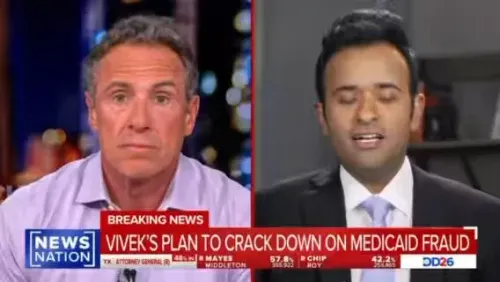
Ramaswamy posted a Medicaid fraud recovery plan for Ohio on May 22, 2026 , calling it a 'simple formula.' The plan involves prosecuting Medicaid fraud, recovering billions, and striking a deal with the federal government to let Ohio keep a majority of savings.
Medicaid is jointly funded; under current federal law, recovered fraud dollars are split between states and Washington in proportion to original contributions.
Ramaswamy co-led the US Department of Government Efficiency (DOGE) advisory effort, which focused heavily on entitlement programme fraud.
Any savings-retention deal would require a federal waiver, statutory change, or a formal agreement with CMS .
The Ohio General Assembly's response to potential Medicaid fraud enforcement legislation will be a key indicator of the plan's viability.
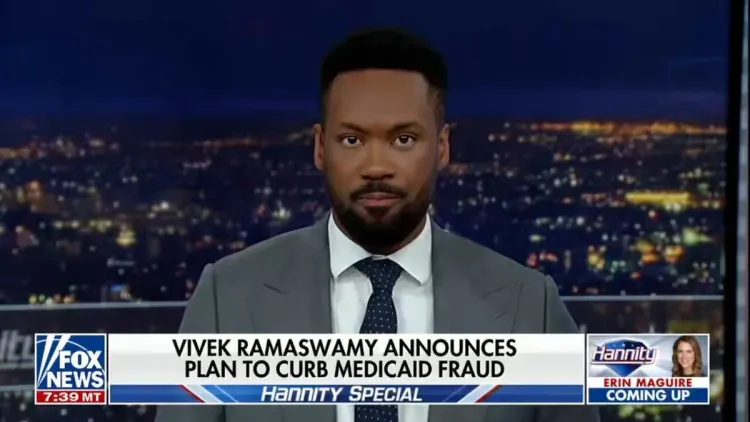
Entrepreneur Vivek Ramaswamy on Friday, May 22, 2026, outlined a Medicaid fraud recovery plan for Ohio, proposing that the state prosecute fraud aggressively, recover billions of dollars, and negotiate a deal with the federal government allowing Ohio to retain a majority of the savings.
Context
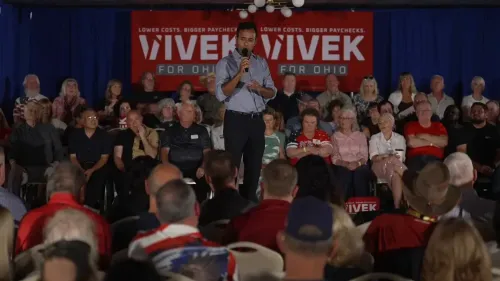
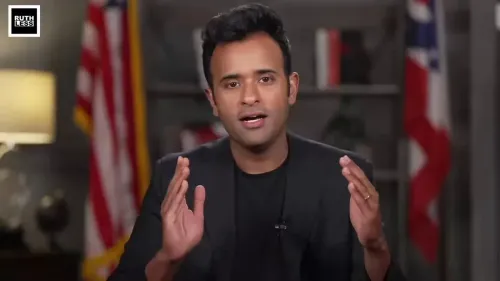
Ramaswamy, who is widely seen as a prospective candidate for Ohio statewide office, posted the proposal on X, describing it as a 'simple formula': prosecute Medicaid fraud, recover the funds, and strike a state-federal agreement to keep most of the recovered money in Ohio. The post was accompanied by a video, suggesting a more detailed public presentation of the plan.
Medicaid is a jointly funded federal-state health coverage programme for low-income Americans. Because the federal government provides matching funds to states, recovered fraud dollars typically flow back to Washington in proportion to the original federal share — a structure that has long frustrated state administrators who bear enforcement costs.
Policy Backdrop
Ramaswamy's proposal draws directly on the work of the US Department of Government Efficiency (DOGE) advisory effort, which he co-led before stepping back in early 2025. That initiative placed significant emphasis on fraud recovery in large entitlement programmes, including Medicaid, as a lever to reduce federal expenditure without cutting benefits.
Republican-led states have repeatedly sought to renegotiate the division of recovered Medicaid fraud dollars, arguing that states that invest in enforcement should be allowed to retain a larger share of the proceeds. Federal law currently governs how recoveries are split, and any change would require either a formal waiver, a statutory amendment, or a negotiated agreement with the Centers for Medicare and Medicaid Services (CMS).
The broader pattern of using intergovernmental enforcement agreements to ease pressure on state budgets has precedent in other programme-integrity contexts, including the False Claims Act, under which states can retain a share of recoveries in qui tam actions.
Stakeholders and Impact
Ohio taxpayers and state budget officials stand to benefit directly if a savings-retention deal were secured, as recovered funds could be redirected to state priorities without raising taxes or cutting services. Medicaid providers — hospitals, nursing homes, and managed-care organisations — would face heightened scrutiny under any expanded enforcement regime.
Low-income Ohioans enrolled in Medicaid are not the targets of the proposal; Ramaswamy's framing is squarely aimed at fraudulent providers and administrators rather than beneficiaries. Still, critics of aggressive Medicaid enforcement have historically cautioned that broad investigations can create administrative burdens that affect legitimate providers and, indirectly, patient access.
What's Next
The immediate question is whether Ramaswamy will translate the social-media proposal into formal legislative or legal advocacy, including engagement with the Ohio General Assembly on Medicaid fraud enforcement funding. Any state-federal negotiation over retention of recovered dollars would require coordination with the CMS and potentially Congress, making the timeline and mechanism uncertain.
If Ramaswamy does pursue a statewide role in Ohio, this proposal signals that Medicaid programme integrity — framed as a fiscally neutral or revenue-positive reform — will be a centrepiece of his domestic policy pitch, consistent with the government-efficiency brand he built nationally through DOGE.
Point of View
The legal pathway to a savings-retention deal is genuinely complex, and the absence of specific figures — deliberately avoided given unverified loss data — leaves the proposal at the level of a campaign message rather than a legislative blueprint. The real test will come when and if Ramaswamy engages the Ohio General Assembly and federal CMS with concrete numbers and a legal mechanism.
NationPress
24 Sept 2026
Frequently Asked Questions
What is Vivek Ramaswamy's Medicaid fraud plan for Ohio?
Ramaswamy has proposed that Ohio aggressively prosecute Medicaid fraud, recover billions of dollars, and negotiate a deal with the federal government that allows Ohio to keep a majority of the recovered savings rather than returning them to Washington.
How does Medicaid fraud recovery work between states and the federal government?
Because Medicaid is jointly funded, recovered fraud dollars are typically split between the state and the federal government in proportion to their original funding shares. States must usually return the federal portion to Washington, which reduces the financial incentive for states to invest heavily in enforcement.
What is DOGE and what does it have to do with Medicaid?
The US Department of Government Efficiency (DOGE) was an advisory body created in 2025, co-led by Ramaswamy, that focused on reducing federal waste and fraud. It directed significant attention to entitlement programme integrity, including Medicaid fraud, as a way to cut federal expenditure.
Is Vivek Ramaswamy running for office in Ohio?
Ramaswamy has not formally announced a candidacy for Ohio statewide office, but his repeated policy proposals focused on Ohio — including this Medicaid fraud plan — are widely interpreted as groundwork for a future run.
Can Ohio legally keep Medicaid fraud recovery money?
Under current federal law, Ohio would need a formal waiver, a statutory change, or a negotiated agreement with the Centers for Medicare and Medicaid Services (CMS) to retain a majority of recovered Medicaid fraud dollars. No such deal is currently in place.