Ramaswamy Vows Ohio Medicaid Fraud Crackdown to Cut Costs
Synopsis
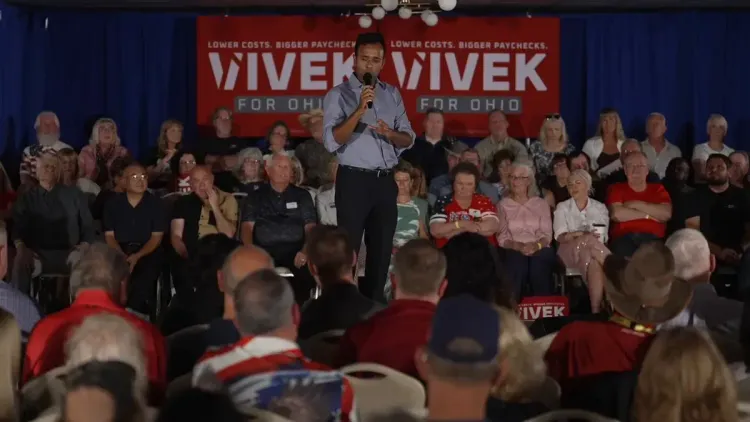
Entrepreneur Vivek Ramaswamy has outlined a plan to reduce Ohio healthcare costs by prosecuting Medicaid fraudsters and recovering billions, while explicitly pledging to protect coverage for eligible low-income Ohioans who rely on the programme.
Key Takeaways
Vivek Ramaswamy pledged on 22 July 2026 to cut Ohio healthcare costs through Medicaid fraud prosecution rather than benefit reductions.
He said recovered funds would be returned directly to 'law-abiding Ohioans,' framing it as a taxpayer dividend.
Ramaswamy explicitly stated he would preserve Medicaid funding for eligible Ohioans who depend on it.
The approach mirrors rhetoric from his 2024 presidential campaign and his work as co-lead of the DOGE advisory effort.
Ohio has a large Medicaid programme expanded under the ACA , with fraud prosecution a recurring policy issue under successive governors.
Implementation would require coordination with Ohio 's attorney general, legislature, and governor's office.
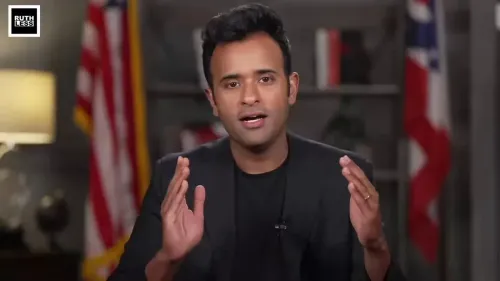
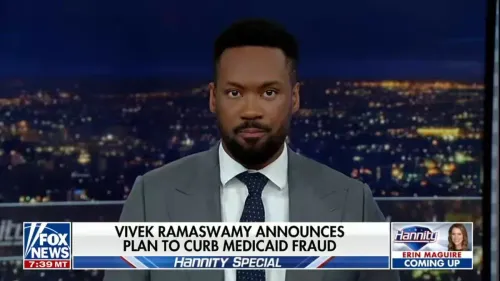
Entrepreneur and former DOGE co-lead Vivek Ramaswamy on Wednesday, 22 July 2026, outlined his approach to reducing healthcare costs in Ohio, pledging to prosecute Medicaid fraudsters, recover billions of dollars, and return those savings directly to law-abiding Ohioans — all while preserving coverage for eligible beneficiaries who depend on the programme.
Context
In his post, Ramaswamy wrote: 'Here's how I'll reduce healthcare costs while preserving funding for eligible Ohioans who rely on Medicaid: prosecute the fraudsters, recover billions, and put that $$ in the pockets of law-abiding Ohioans.' The statement frames cost reduction not as a benefit cut but as an enforcement action — a distinction he has consistently drawn since his 2024 Republican presidential campaign.
Ramaswamy, who was born and raised in Ohio, is the founder and executive chairman of Strive Asset Management and previously served as co-lead of the US Department of Government Efficiency (DOGE) advisory effort under the second Trump administration. His political focus has now turned squarely to his home state.
Policy Backdrop
Medicaid is a joint federal-state health coverage programme for low-income Americans. Ohio expanded its Medicaid programme under the Affordable Care Act and has since run one of the larger state-level programmes in the Midwest, making fraud recovery a recurring policy flashpoint under both Republican and Democratic governors.
Republican candidates and officeholders have long argued that tightening fraud enforcement — rather than reducing eligibility — is the fiscally responsible path to controlling Medicaid expenditure. This argument gained renewed momentum after the DOGE effort highlighted improper federal payments across multiple programmes during 2025.
Stakeholders and Impact
The proposal, if enacted, would primarily affect two groups: Ohio taxpayers, who stand to benefit from recovered funds redirected into the state economy, and current Medicaid recipients, whom Ramaswamy explicitly said he intends to protect. Advocacy groups representing low-income Ohioans will likely scrutinise how 'eligible' beneficiaries are defined and whether enforcement actions create administrative barriers to legitimate claims.
Healthcare providers and managed-care organisations that administer Ohio Medicaid contracts could also face heightened audit and compliance requirements under any expanded fraud-prosecution framework. The state's attorney general's office would be a key institutional actor in any such effort.
What's Next
Ohio state budget negotiations and potential new legislative proposals targeting Medicaid fraud recovery will be the immediate arena to watch. Any concrete plan would require coordination between the governor's office, the state legislature, and the attorney general — making the political alignment in Columbus a critical variable.
As Ramaswamy continues to position himself in Ohio politics, his healthcare pitch is likely to be tested against actual fraud-recovery data and the lived experience of the state's Medicaid population — a constituency he has explicitly said he does not want to leave behind.
Point of View
Not eligibility cuts — is a calculated repositioning that shields him from the politically toxic charge of taking healthcare away from the poor. It echoes the post-DOGE policy language around 'improper payments,' giving his state-level pitch a federal credibility boost. However, the absence of specific dollar figures or a legislative vehicle means the proposal remains aspirational until anchored to an actual Ohio campaign or office. The real test will be whether he can translate DOGE-era rhetoric into a concrete state-level enforcement mechanism that survives legal and administrative scrutiny.
NationPress
20 Oct 2026
Frequently Asked Questions
What is Vivek Ramaswamy's plan for Ohio Medicaid?
Ramaswamy has proposed reducing Ohio healthcare costs by prosecuting Medicaid fraudsters, recovering billions of dollars, and returning those savings to law-abiding Ohioans, while preserving coverage for eligible low-income beneficiaries.
Will Ramaswamy cut Medicaid benefits in Ohio?
Ramaswamy explicitly said he intends to preserve funding for eligible Ohioans who rely on Medicaid; his stated approach targets fraud rather than reducing benefits or eligibility.
What is DOGE and what does it have to do with Medicaid?
DOGE, the Department of Government Efficiency advisory effort, was co-led by Ramaswamy and focused on identifying and eliminating wasteful federal spending, including improper payments in programmes like Medicaid.
How big is Ohio's Medicaid programme?
Ohio expanded Medicaid under the Affordable Care Act and operates one of the larger state Medicaid programmes in the Midwest, covering a significant share of the state's low-income population.
Is Vivek Ramaswamy running for office in Ohio?
Ramaswamy has been positioning himself in Ohio politics and has made policy proposals for the state, though no verified public record of a formal 2026 Ohio campaign announcement exists at the time of this report.