Ramaswamy Unveils Phased Ohio Healthcare Cost Plan
Synopsis
Vivek Ramaswamy, entrepreneur and former DOGE co-lead, has announced a phased plan to cut healthcare costs in Ohio, citing constituent demand. The plan promises near-term wins within six months and longer-run structural reforms, echoing a recurring Republican strategy of deregulation and price transparency over expanded public programmes.
Key Takeaways
Vivek Ramaswamy announced a phased healthcare cost-reduction plan for Ohio on May 27, 2026 .
The plan is structured in two phases: quick wins within the first six months and long-run structural solutions thereafter.
Ohio has faced sustained healthcare affordability pressure driven by hospital consolidation and rising premiums through the 2010s and 2020s .
The approach mirrors prior Republican platforms emphasising deregulation, price transparency, and market competition over expanded public programmes.
Ramaswamy is founder and executive chairman of Strive Asset Management and former co-lead of the US Department of Government Efficiency (DOGE) advisory effort.
The Ohio General Assembly will be watched for any introduced legislation on price transparency or insurance regulation that follows from the announcement.
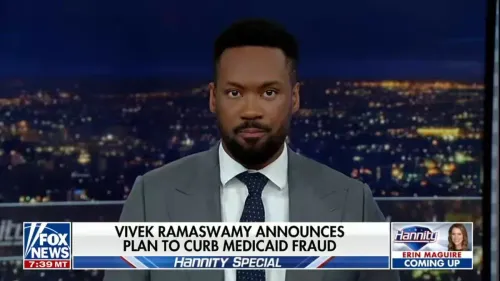
Entrepreneur and former DOGE co-lead Vivek Ramaswamy announced on Wednesday, May 27, 2026, that he is releasing a structured plan to reduce healthcare costs for residents of Ohio, describing it as a direct response to constituent demand and outlining a phased timeline beginning with near-term wins within the first six months.
Context
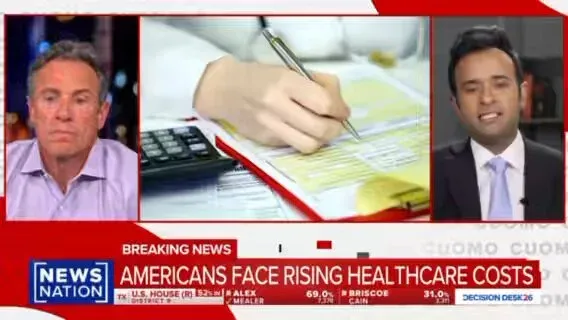
In his post, Ramaswamy stated: 'Here's something Ohioans are demanding and I'm delivering: a clear plan to bring down healthcare costs. Starts with quick wins in the first 6 months, and moves to long-run solutions from there.' The framing positions the plan as both responsive to voter pressure and structurally ambitious, distinguishing short-cycle administrative fixes from deeper systemic reform. Ohio has experienced sustained pressure on healthcare affordability, with hospital consolidation and rising insurance premiums shaping the policy environment across the state through the 2010s and 2020s.
Policy Backdrop
Republican-led healthcare reform efforts at the state and federal level have consistently emphasised deregulation, price transparency, and market competition over expanded public programmes. The Trump administration issued executive orders in 2019 and 2020 promoting hospital price transparency and short-term health plans as cost-reduction tools. The Affordable Care Act of 2010 had earlier expanded coverage mandates, creating a legislative backdrop against which state-level Republican proposals have since been tested as alternatives or supplements.
Ramaswamy's phased structure — quick wins first, structural reform later — echoes a recurring pattern in GOP healthcare platforms that separate achievable administrative actions from longer-horizon legislative goals. State legislatures have often served as laboratories for such proposals when federal consensus proves elusive.
Stakeholders and Impact
Ohio patients and health insurers are the primary stakeholders in any cost-reduction framework advanced at the state level. For consumers, lower premiums and greater price transparency translate directly into household budget relief, a concern that has polled consistently high across party lines in the state. Insurers and hospital networks, by contrast, face potential margin pressure if transparency mandates or competitive deregulation reduce their pricing leverage.
Ramaswamy, who was born in Ohio and ran for the 2024 Republican presidential nomination, has maintained a public profile in the state's policy debates. His background as founder and executive chairman of Strive Asset Management and his role as co-lead of the US Department of Government Efficiency (DOGE) advisory effort lend his policy announcements a cross-sector dimension that spans financial markets, deregulation, and executive governance.
What's Next
Attention will now turn to the Ohio General Assembly and whether any introduced legislation on price transparency or insurance regulation follows from the plan Ramaswamy has signalled. The six-month timeline for initial measures implies a near-term legislative or executive action window, though the specific policy instruments have not yet been publicly detailed. If the phased approach gains traction, it could serve as a model for other Republican-led states grappling with similar affordability pressures, reinforcing the broader party strategy of state-level experimentation ahead of any renewed federal push.
Point of View
He positions himself as a responsive actor in Ohio's political landscape ahead of any future electoral cycle. The phased structure — administrative quick wins first, structural reform later — is a familiar GOP playbook designed to demonstrate early momentum while deferring the harder legislative battles. His dual identity as a DOGE-era deregulator and a market-oriented entrepreneur gives the healthcare framing a distinctive flavour that leans on competition and transparency rather than coverage expansion. Whether the plan translates into concrete Ohio legislation will determine if this is a durable policy effort or a positioning exercise.
NationPress
22 Sept 2026
Frequently Asked Questions
What is Vivek Ramaswamy's healthcare plan for Ohio?
Ramaswamy has announced a phased plan to reduce healthcare costs in Ohio, beginning with quick administrative wins in the first six months and moving to longer-term structural reforms after that. Specific policy instruments have not yet been publicly detailed.
Why is Vivek Ramaswamy focused on Ohio healthcare costs?
Ramaswamy was born in Ohio and has maintained a political profile in the state. He cited direct constituent demand as the driver, and Ohio has faced documented affordability pressures from hospital consolidation and rising insurance premiums over the past decade.
What is Vivek Ramaswamy's political background?
Ramaswamy is the founder and executive chairman of Strive Asset Management, a former co-lead of the US Department of Government Efficiency (DOGE) advisory effort under the Trump administration, and a candidate in the 2024 Republican presidential primary.
How do Republicans typically approach healthcare cost reduction?
Republican-led proposals have generally emphasised deregulation, hospital price transparency, and market competition rather than expanding public programmes. The Trump administration issued executive orders on price transparency in 2019 and 2020 as part of this approach.
What happens next after Ramaswamy's Ohio healthcare announcement?
Observers will watch the Ohio General Assembly for any introduced legislation on price transparency or insurance regulation. The six-month timeline Ramaswamy outlined implies near-term action, making the next legislative session a key indicator of whether the plan advances.