Ramaswamy Unveils Ohio Medicaid Fraud Plan, Promises Billions in Savings
Synopsis
Entrepreneur Vivek Ramaswamy on June 1, 2026, pushed back against critics of his Ohio Medicaid anti-fraud plan, arguing it will yield billions in direct savings and simultaneously lower healthcare pricing pressure, extending his DOGE-era efficiency agenda to state-level health policy.
Key Takeaways
Ramaswamy publicly defended his Ohio Medicaid anti-fraud plan on June 1, 2026 , calling scale-based criticism 'wrong.' He claims the initiative will deliver billions of dollars in direct savings while also reducing pricing pressure in the broader healthcare market.
The plan aligns with positions Ramaswamy advanced during his 2024 presidential campaign and his co-leadership of the federal DOGE advisory effort.
Ohio operates one of the larger state Medicaid programmes in the US, making it a significant testing ground for payment-integrity reform.
Republican-led states have pursued similar audit-driven fraud-reduction efforts since the Medicaid expansion era.
Legislative uptake in Ohio and independent validation of savings figures remain the key benchmarks to watch.
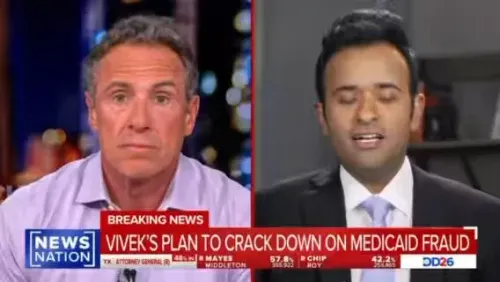
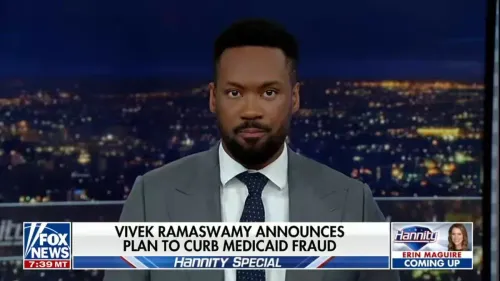
Entrepreneur and former DOGE co-lead Vivek Ramaswamy on Sunday, June 1, 2026, publicly defended his anti-fraud initiative targeting Ohio's Medicaid programme, arguing that critics who dismiss its scale are mistaken and that the plan will deliver both direct savings and lower pricing pressure across the healthcare system.
Context
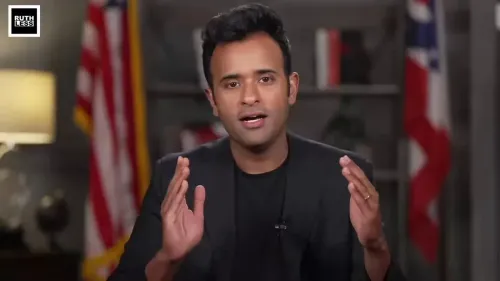
Ramaswamy addressed what he called 'the most reasonable objection' to his proposal — that it is 'not big enough to move the needle on lowering healthcare costs overall.' His rebuttal centres on a two-pronged impact: billions of dollars in direct savings alongside a simultaneous reduction in pricing pressure within the broader healthcare market. The post, which includes a video elaborating on the plan, marks one of his most direct public engagements on Ohio state-level health policy since his exit from the federal DOGE advisory effort.
Policy Backdrop
Medicaid is a joint federal-state health insurance programme that covers low-income Americans and has long been a focal point for concerns over improper payments and fraud. Ohio operates one of the larger state Medicaid programmes in the country, making it a significant testing ground for payment-integrity reforms. During his 2024 presidential campaign, Ramaswamy consistently advocated cutting federal entitlement spending through aggressive fraud reduction rather than broad eligibility changes — a position he appears to be carrying into state-level action.
The Department of Government Efficiency (DOGE) advisory effort, which Ramaswamy co-led alongside Elon Musk following the 2024 election cycle, explicitly prioritised identifying waste, fraud, and abuse across federal health programmes including Medicaid. Republican-led states have pursued similar technology-driven payment-integrity audits since the Medicaid expansion era, and Ramaswamy's Ohio initiative fits squarely within that pattern.
Stakeholders and Impact
Ohio taxpayers and the state's low-income Medicaid beneficiaries stand as the most directly affected groups. Proponents argue that rooting out fraudulent billing by providers reduces the overall cost base of the programme without cutting access for eligible enrollees. Critics, however, contend that fraud-reduction efforts — while valuable — are insufficient on their own to address systemic drivers of high healthcare costs such as hospital consolidation and drug pricing.
Ramaswamy's framing directly engages this critique, insisting that the dual effect of hard-dollar savings and reduced pricing pressure makes the initiative more consequential than its detractors acknowledge. The inclusion of a video in the post suggests a detailed policy case is being made to a broader audience beyond Washington insiders, potentially building public and legislative support within Ohio.
What's Next
Attention will now turn to whether Ohio's legislative or executive branch moves to formally adopt or codify the measures Ramaswamy has outlined, and whether independent budget analysts will validate the claimed multi-billion-dollar savings projections. If the initiative demonstrates measurable results, it could become a template for other GOP-led states and feed back into federal DOGE-aligned recommendations on Medicaid integrity. The broader question is whether fraud reduction alone can shift the trajectory of healthcare costs — a debate that will intensify as 2026 midterm politics heat up across the United States.
Point of View
He is attempting to shift the terms of the healthcare-cost conversation away from eligibility cuts, a politically safer lane for Republicans. The move also keeps him visible on substantive policy terrain ahead of a crowded 2026 political cycle, reinforcing his identity as a fiscal reformer rather than a purely ideological actor. Whether the plan survives contact with Ohio's budget process will be the real test of whether DOGE-style rhetoric translates into durable state-level governance.
NationPress
22 Oct 2026
Frequently Asked Questions
What is Vivek Ramaswamy's Ohio Medicaid fraud plan?
Ramaswamy has outlined an initiative to combat fraudulent billing and improper payments within Ohio's Medicaid programme, arguing it will generate billions in direct savings and reduce pricing pressure across the state's healthcare system. Specific operational details and timelines have not been independently verified.
How much money does Ramaswamy claim his Ohio plan will save?
Ramaswamy has stated the plan will deliver 'billions' in direct savings, though the exact figure and timeline have not been independently validated by Ohio budget authorities or outside analysts as of June 2026.
What is DOGE and what does it have to do with Medicaid?
The Department of Government Efficiency (DOGE) was a federal advisory effort co-led by Ramaswamy and Elon Musk after the 2024 election, focused on eliminating waste, fraud, and abuse across government programmes including Medicaid. Ramaswamy's Ohio initiative extends that philosophy to the state level.
Why do critics say Medicaid fraud reduction is not enough to lower healthcare costs?
Critics argue that while fraud reduction yields real savings, it does not address the structural drivers of high healthcare costs such as hospital consolidation, administrative overhead, and drug pricing. Ramaswamy contends his plan also reduces pricing pressure, making it more impactful than critics suggest.
Could Ohio's Medicaid fraud plan be replicated in other US states?
If Ohio's initiative produces measurable savings, it could serve as a model for other Republican-led states and potentially inform federal DOGE recommendations on Medicaid payment integrity, a pattern seen with similar audit-driven reforms in past years.