Ramaswamy Targets Medicaid Fraud in Ohio Race
Synopsis
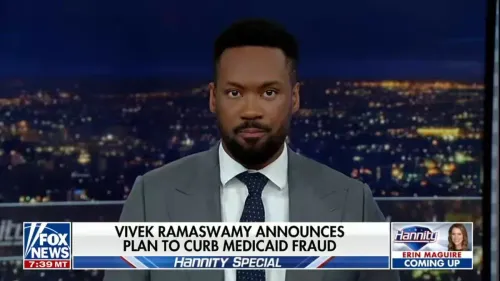
Vivek Ramaswamy, the Strive Asset Management founder and ex-DOGE co-lead, has made Medicaid fraud reduction the centrepiece of his Ohio campaign healthcare pitch, framing it as a practical fiscal fix against what he calls his opponent's socialist healthcare agenda.
Key Takeaways
Vivek Ramaswamy publicly committed to combating Medicaid fraud as a core Ohio campaign policy on May 31, 2026 .
He argued the approach would 'return billions in savings to law-abiding Ohioans.' He characterised his opponent's healthcare position as a 'socialist takeover of healthcare.' Ramaswamy 's fraud-reduction focus mirrors his earlier work co-leading the DOGE advisory effort at the federal level.
Ohio administers its own Medicaid programme and has a history of partisan disputes over eligibility and oversight.
The exchange signals healthcare will be a defining issue in the Ohio race ahead of state elections.
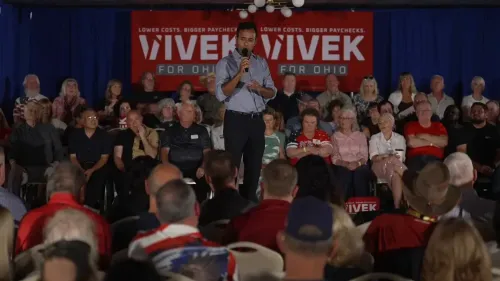
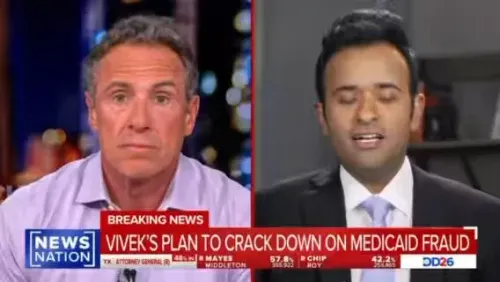
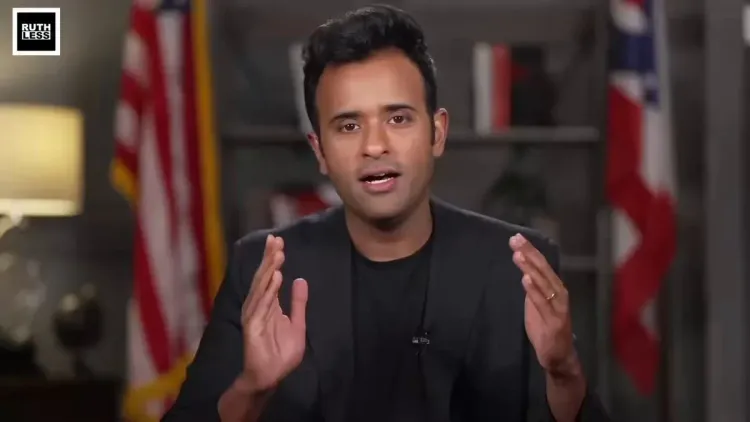
Entrepreneur Vivek Ramaswamy, founder and executive chairman of Strive Asset Management and former co-lead of the US Department of Government Efficiency (DOGE) advisory effort, on Sunday, May 31, 2026, framed combating Medicaid fraud as a central plank of his Ohio campaign, contrasting it sharply with what he called a 'socialist takeover of healthcare' being pushed by his opponent.
Context
In his post, Ramaswamy argued that fighting Medicaid fraud and 'return billions in savings to law-abiding Ohioans' is 'practical, impactful, and rapidly achievable.' He positioned this directly against what he described as the 'socialist takeover of healthcare' his 'leftist opponent is trying to push onto Ohioans.' The statement signals that healthcare policy has become a defining fault line in the Ohio race.
Medicaid is a joint federal-state health coverage program for low-income Americans. Ohio, like other states, administers its own Medicaid programme and is responsible for front-line fraud detection and cost controls, making it a natural policy lever for a state-level candidate.
Policy Backdrop
Ramaswamy's emphasis on fraud reduction carries direct continuity from his tenure co-leading DOGE, where eliminating wasteful and fraudulent government spending was the stated core mission. Republican candidates across multiple states have repeatedly positioned Medicaid integrity efforts as a fiscally responsible alternative to Democratic proposals that expand public healthcare coverage.
Ohio has seen sustained partisan conflict over Medicaid eligibility thresholds, reimbursement rates, and oversight mechanisms over recent legislative cycles. The state expanded Medicaid under the Affordable Care Act, a decision that continues to generate political debate about programme costs, eligibility scope, and administrative efficiency.
Stakeholders and Impact
Ohio taxpayers and Medicaid recipients are the two groups most directly affected by any shift in programme administration. Fraud reduction, if successfully implemented, could free up state and federal funds currently lost to improper payments — resources that could either reduce fiscal pressure on the state budget or be redirected to verified beneficiaries.
For Medicaid recipients, the stakes cut both ways: tighter fraud controls can improve programme integrity, but aggressive eligibility audits have historically led to coverage losses for legitimate enrollees in several states. Ramaswamy's framing focuses on savings for 'law-abiding Ohioans,' a phrase that implicitly draws a distinction between taxpayers and those he characterises as improper claimants.
What's Next
The healthcare debate in Ohio is expected to intensify as the state's electoral calendar advances. Upcoming candidate debates and any Ohio legislative sessions addressing Medicaid integrity measures will test whether Ramaswamy's fraud-reduction pitch translates into a concrete policy platform with measurable targets.
Broader Republican efforts at the federal level to restructure Medicaid financing — including proposals to shift to block grants — provide additional context for how a Ramaswamy-backed state-level approach might interact with federal programme rules. The outcome in Ohio could serve as a bellwether for how fraud-reduction messaging performs against healthcare expansion platforms in competitive Midwestern states.
Point of View
But it lands with particular force when wielded by a candidate whose DOGE credentials give the fraud-reduction argument institutional credibility. The risk is that without specific dollar figures or a legislative blueprint, the pledge reads as campaign positioning rather than a governing plan. How Ohio voters weigh the promise of savings against fears of eligibility crackdowns will be a meaningful signal for Republican healthcare messaging in competitive Midwestern states.
NationPress
19 Sept 2026
Frequently Asked Questions
What is Vivek Ramaswamy's Medicaid fraud plan for Ohio?
Ramaswamy has called for combating Medicaid fraud in Ohio and returning the resulting savings to taxpayers, framing it as a practical and rapidly achievable policy — though specific dollar targets or legislative mechanisms have not yet been detailed publicly.
Is Vivek Ramaswamy running for office in Ohio?
Yes, Ramaswamy is running for office in Ohio. His May 2026 post explicitly references an opponent and positions Medicaid fraud reduction as a campaign healthcare plank.
What is DOGE and what was Ramaswamy's role?
DOGE — the Department of Government Efficiency — was a federal advisory effort focused on reducing wasteful and fraudulent government spending. Ramaswamy co-led the initiative before departing to pursue the Ohio race.
How does Medicaid fraud affect Ohio taxpayers?
Medicaid is jointly funded by federal and state governments, meaning improper payments draw on Ohio's state budget as well as federal funds. Fraud reduction can free up resources for verified beneficiaries or reduce fiscal pressure on the state.
What has Ohio's history been with Medicaid policy?
Ohio expanded Medicaid under the Affordable Care Act and has since seen repeated partisan disputes over eligibility thresholds, reimbursement rates, and oversight mechanisms, making it a recurring flashpoint in state elections.