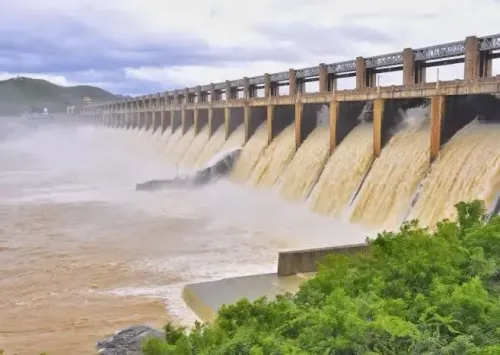
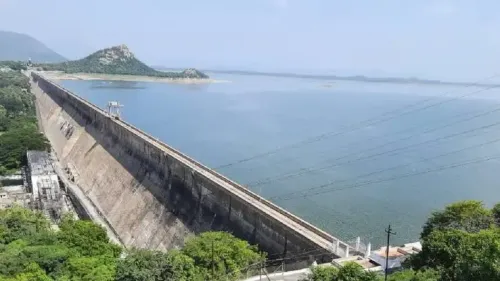
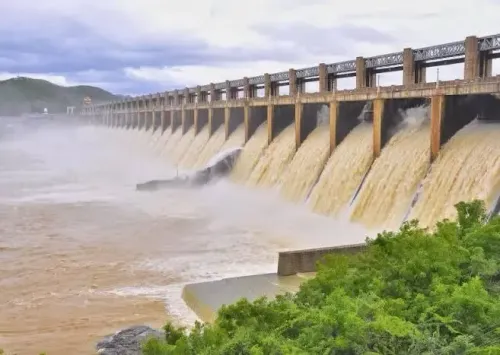
Mettur Dam water release fails Namakkal farmers as blocked channels leave lakes dry
Synopsis
A 10-day, 400-cusec release from Mettur Dam failed to replenish most lakes and ponds in Namakkal's Pallipalayam and Kumarapalayam — not because water wasn't released, but because blocked channels, unchecked encroachments, and years of neglected maintenance stopped it from arriving. Only two lakes reportedly received any water at all, exposing a systemic infrastructure failure that a bigger release alone cannot fix.
Key Takeaways
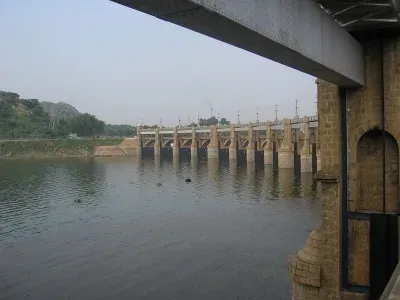
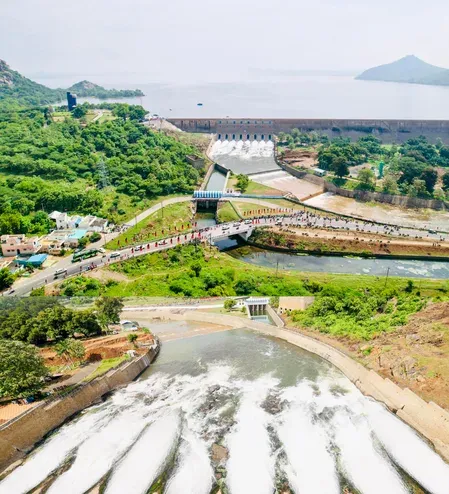
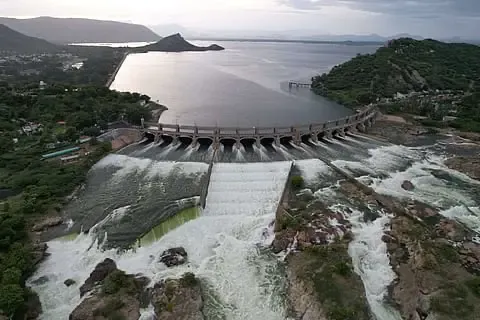
Mettur Dam released water at 400 cusecs through the East and West Bank canals from 7 to 17 September to recharge waterbodies and meet drinking water needs in Namakkal, Tamil Nadu .
Only two lakes in Pallipalayam and Kumarapalayam reportedly received water; the majority of lakes and ponds remained completely dry.
Blocked supply channels, encroachments along waterways, and absence of desilting were cited as the primary reasons water failed to reach most waterbodies.
Effluent discharge from dyeing units has reportedly polluted several local water sources, further reducing usable water for farming and domestic use.
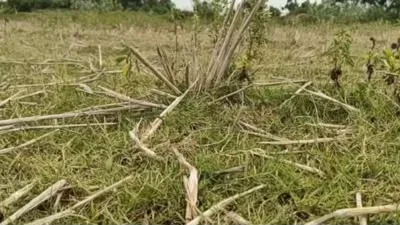
Small and marginal farmers are the worst affected; coconut trees in some areas have begun drying up due to depleted groundwater.
Farmers are demanding desilting, removal of encroachments, shutter repairs, and channel restoration before any future Mettur Dam release.
Most lakes and ponds in Pallipalayam and Kumarapalayam in Namakkal district, Tamil Nadu, have remained dry despite a recent release of water from Mettur Dam, leaving farmers deeply worried about irrigation access, drinking water availability, and sinking groundwater levels. The release, which ran from 7 to 17 September, was meant to recharge local waterbodies and ease an already strained water situation following inadequate monsoon rainfall this year.
What the Release Was Supposed to Achieve
Water was discharged through the Mettur East and West Bank canals at a rate of 400 cusecs over 10 days to meet drinking water needs and improve groundwater recharge across the region. The release had initially raised considerable hope among farming communities that parched local lakes and ponds would finally be replenished after a weak rainfall season. That hope, according to farmers, has largely gone unfulfilled.
Why the Water Never Arrived
Reportedly, blocked supply channels, unchecked encroachments along waterways, and years of poor maintenance prevented the released water from reaching most of its intended destinations. Several channels had not been cleared prior to the release, and many lakes and ponds had not been desilted. Encroachments along the waterways further disrupted flow. In areas where water did manage to reach a waterbody, the quantity was reportedly too small to produce any meaningful improvement in groundwater levels.
Farmers said only two lakes across the two localities received water during the 10-day period, while the majority remained completely dry. The absence of functional shutters and adequate storage arrangements compounded the problem, further reducing whatever limited benefit the release could have delivered.
Pollution Adding to the Crisis
The water shortage has been worsened by pollution from effluents discharged by dyeing units operating in the area, according to farmers. These discharges have contaminated local water sources, reducing the volume of usable water available for both farming and domestic purposes. This comes amid already prolonged dry conditions that have made cultivation increasingly difficult across the district.
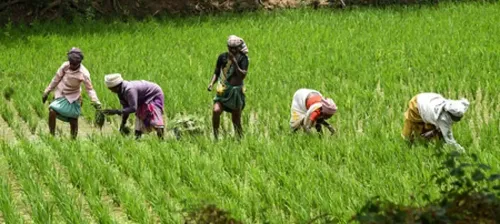
Coconut trees in some parts of the region have reportedly begun drying up due to insufficient groundwater. Small and marginal farmers have been hit hardest by the shortage, while larger cultivators with better access to water resources have continued growing water-intensive crops such as sugarcane.
Farmers' Demands and Warnings
Farmers said repeated petitions urging the maintenance and restoration of local waterbodies have produced little administrative action. Requests for permission to remove alluvial soil from certain waterbodies have also reportedly remained pending without resolution.
They have urged authorities to desilt lakes and ponds, remove encroachments, repair shutters, and restore connecting channels before any future release from Mettur Dam. Farmers warned that without these preparatory measures being completed, even a significantly larger release would deliver only limited relief on the ground.
Unless the underlying infrastructure gaps are addressed, the region will remain heavily dependent on heavy rainfall to fill its waterbodies — a dependence that will only intensify pressure on agriculture, groundwater, and drinking water supplies in the months ahead.
Point of View
Removing encroachments, and desilting ponds is the administrative equivalent of pouring water into a broken pipe — the gesture is made, but the benefit evaporates. What makes this particularly troubling is that farmers say repeated petitions and pending permissions for alluvial soil removal have gone unanswered, suggesting not just neglect but a systemic disconnect between upstream decision-making and last-mile delivery. The industrial pollution angle — dyeing-unit effluents contaminating local sources — adds a layer that regulatory agencies have clearly not prioritised. Unless Tamil Nadu's water management machinery addresses both the physical blockages and the industrial contamination in tandem, each Mettur release will produce diminishing returns and fresh farmer frustration.
NationPress
19 Sept 2026
Frequently Asked Questions
Why did the Mettur Dam water release fail to fill Namakkal's lakes and ponds?
Blocked supply channels, encroachments along waterways, and the absence of desilting reportedly prevented water from reaching most waterbodies in Pallipalayam and Kumarapalayam. Non-functional shutters and inadequate storage arrangements further reduced the impact of the 10-day, 400-cusec release.
How much water was released from Mettur Dam and for how long?
Water was released at 400 cusecs through the Mettur East and West Bank canals from 7 to 17 September — a total of 10 days — to meet drinking water needs and improve groundwater recharge in Namakkal district.
How many lakes received water during the release?
According to farmers, only two lakes across Pallipalayam and Kumarapalayam received water during the 10-day release period. The majority of lakes and ponds in the two areas remained completely dry.
Who has been most affected by the water shortage in Namakkal?
Small and marginal farmers have been the hardest hit, with access to irrigation severely curtailed. Coconut trees in some areas have reportedly begun drying up due to depleted groundwater, while larger cultivators with better water access have continued growing crops like sugarcane.
What are farmers demanding to prevent this from happening again?
Farmers are urging authorities to desilt lakes and ponds, remove encroachments, repair shutters, and restore connecting channels before any future release from Mettur Dam. They warn that without these preparatory steps, even a larger release will deliver only limited relief.