Namakkal drought 2025: Dry lakes push Kumarapalayam farmers to crisis
Synopsis
More than 20 irrigation lakes across Namakkal's Kumarapalayam belt have gone dry, and Mettur dam water is yet to reach the fields. With paddy, turmeric, and banana crops wilting and farmers already in debt from pre-season investments, the region is staring at a compounding agricultural and drinking water emergency — and the monsoon shows no sign of arriving on time.
Key Takeaways
Over 20 irrigation lakes in Kumarapalayam , Pallipalayam , and Veppadai have dried up completely as of 12 July 2025 .
Delayed monsoon and non-release of water from Mettur dam are the twin drivers of the crisis.
Major crops at risk include paddy , turmeric , banana , and sugarcane .
Farmers who borrowed funds for seeds, saplings, and fertilisers face mounting debt if the season fails.
Groundwater depletion has also triggered drinking water shortages in several villages.
Local organisations have demanded a government relief package, field inspections, and emergency irrigation measures.
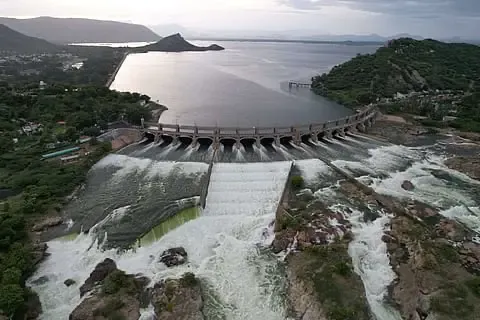
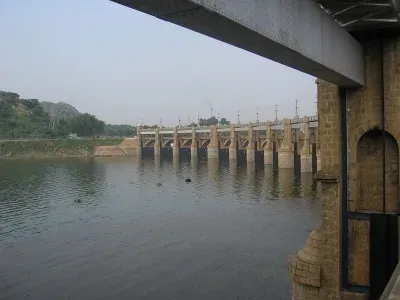
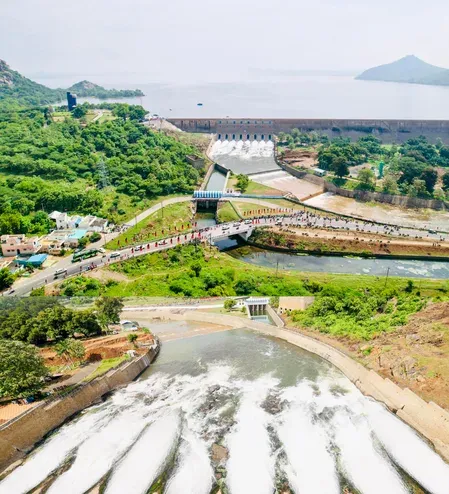
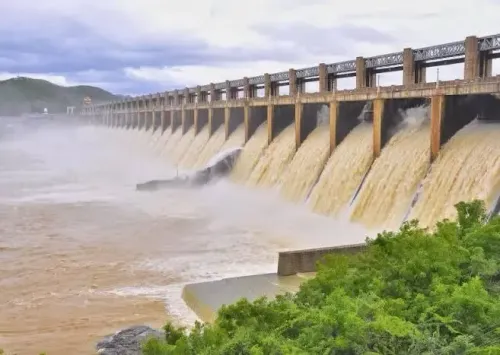
An acute water crisis has taken hold of the Kumarapalayam region in Tamil Nadu's Namakkal district, with over 20 irrigation lakes running completely dry as of 12 July, leaving thousands of acres of farmland without irrigation and pushing hundreds of farming families toward severe crop losses. Delayed monsoon rains and the continued non-release of water from the Mettur dam have together driven the region to the edge of an agricultural emergency.
Scale of the Water Crisis
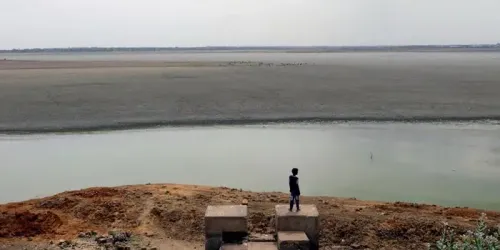
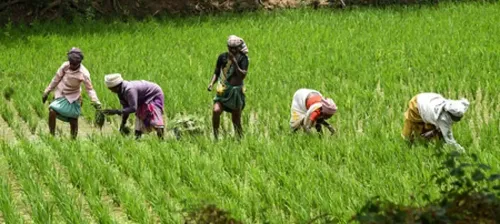
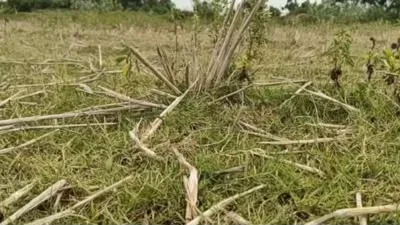
More than 20 irrigation lakes spread across Kumarapalayam, Pallipalayam, and Veppadai have dried up entirely, cutting off the primary irrigation source for vast stretches of cultivable land. With neither significant rainfall nor canal water reaching the area, cultivation has ground to a near standstill. Crops planted earlier in the season are reportedly beginning to wilt in the fields.
The dry spell has also depleted groundwater levels, compounding the distress. In several villages, the drying of irrigation tanks has raised concerns beyond agriculture — residents and livestock are now facing drinking water shortages as well.
Farmers Already Deep in Debt
Agriculture anchors the local economy in Namakkal, with paddy, turmeric, banana, and sugarcane as the dominant crops. Many farmers had invested heavily ahead of the current cultivation season — purchasing seeds, saplings, and fertilisers largely through borrowed funds — in anticipation of a normal irrigation cycle. The continued water scarcity has left several fields uncultivated and those investments at risk.
Farmers warn that if water is not released from Mettur dam or adequate rainfall does not arrive in the coming weeks, repaying agricultural loans will become increasingly difficult. For small and marginal farmers, another failed season could mean deeper indebtedness and a direct threat to their livelihoods.
Community and Activist Pressure Mounts
The deepening crisis has drawn growing concern from local residents and social activists, who have urged the Tamil Nadu government to intervene without delay. Demands include urgent field inspections by agriculture and revenue officials to assess crop damage and the deteriorating water situation on the ground.
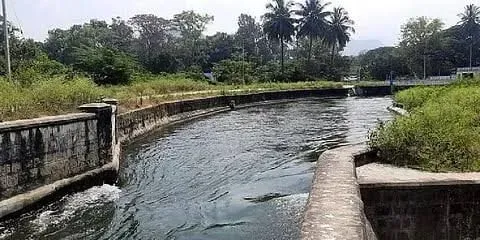
Farmer groups and local organisations have also called for a comprehensive relief package covering financial assistance for affected cultivators, emergency irrigation measures, and steps to restore water availability until normal monsoon rainfall resumes. Notably, this is not the first time the Kumarapalayam belt has faced irrigation stress — the region's dependence on a fragile tank-based system makes it structurally vulnerable to delayed releases from Mettur and erratic monsoon patterns.
What Needs to Happen Next
Activists stress that timely government intervention is essential to prevent further agricultural losses. A relief assessment, emergency water release, and a clearly structured compensation mechanism are the immediate priorities cited by those on the ground. The situation will likely intensify if the southwest monsoon continues to underperform in the weeks ahead.
Point of View
Yet successive governments have deferred the hard work of tank desilting and groundwater recharge at scale. When both the sky and the dam fail simultaneously, small farmers — already leveraged on borrowed capital — have no buffer. The absence of a pre-season crop insurance uptake mechanism and the slow pace of relief assessments in past drought years suggest that the institutional response, when it comes, may arrive too late to matter.
NationPress
11 Oct 2026
Frequently Asked Questions
Why are irrigation lakes drying up in Namakkal's Kumarapalayam region?
The lakes have dried up due to a combination of delayed southwest monsoon rainfall and the non-release of water from the Mettur dam, which is the primary upstream source for canal irrigation in the area. With both sources unavailable, over 20 tanks across Kumarapalayam, Pallipalayam, and Veppadai have run dry.
Which crops are most affected by the Namakkal water crisis?
Paddy, turmeric, banana, and sugarcane — the four major crops of the Namakkal region — are all at risk. Crops planted earlier in the season are reportedly beginning to wilt, while several fields remain uncultivated due to the absence of irrigation water.
How are farmers in Namakkal being financially impacted?
Many farmers had already borrowed funds to invest in seeds, saplings, and fertilisers ahead of the current cultivation season. A failed season would make it difficult to repay agricultural loans, pushing small and marginal farmers deeper into debt.
Has the drinking water supply also been affected?
Yes. The drying up of irrigation tanks has depleted groundwater levels across several villages, raising concerns about drinking water availability for both residents and livestock — extending the crisis well beyond agriculture.
What relief have farmers and activists demanded from the Tamil Nadu government?
Local organisations and social activists have called for urgent field inspections by agriculture and revenue officials, a comprehensive financial relief package for affected farmers, emergency irrigation measures, and steps to improve water availability until normal monsoon rainfall resumes.