Why Has TN's Mettur Dam Increased Irrigation Discharge and Power Generation?
Synopsis
The Mettur Dam in TN has increased its irrigation discharge to 9,500 cusecs to meet the rising demands in the Cauvery delta. This boost not only supports agriculture but also enhances power generation, ensuring a sustainable supply of water for farmers.
Key Takeaways
Mettur Dam discharge increased to 9,500 cusecs .
400 cusecs dedicated for canal irrigation.
Power generation at the dam has reached 90 megawatts .
Farmers in the Cauvery delta are benefiting from timely water supply.
Monitoring and adjustments will continue based on environmental factors.
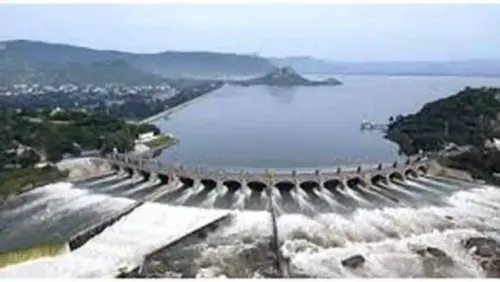
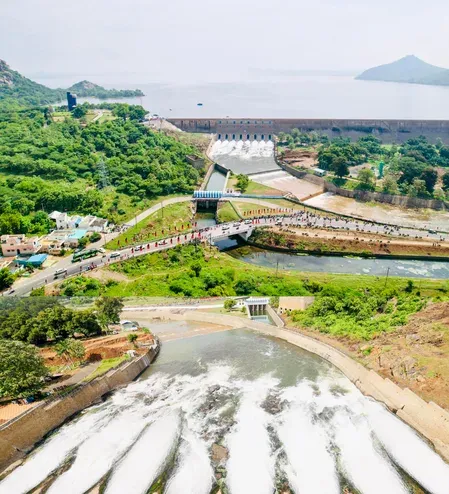
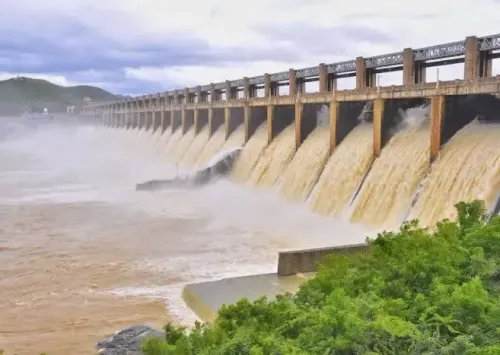
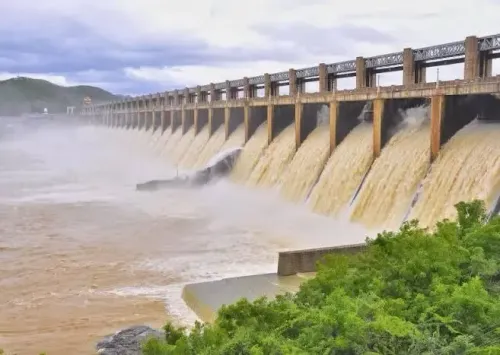
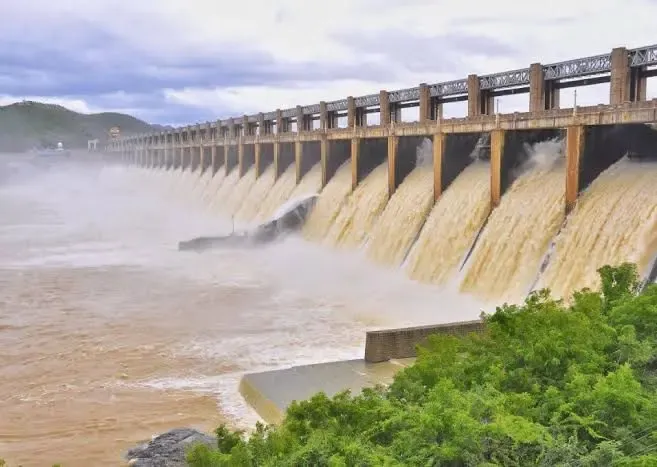
Chennai, Dec 15 (NationPress) In response to escalating irrigation needs across the Cauvery delta, the Mettur dam has ramped up its water release for irrigation to 9,500 cubic feet per second (cusecs). This decision aims to secure sufficient water supply for crops that are currently standing and for the canal-fed irrigation systems as the agricultural season advances.
Officials indicated that this action was necessary to meet the rising demands in the delta region, which has seen a progressive increase in water discharge from the dam over the last few weeks. On December 10, the irrigation discharge was elevated to 6,000 cusecs. Since then, requests from farmers, particularly those in tail-end areas of the delta, have surged, leading authorities to boost the release further.
As a result, the irrigation discharge has now reached 9,500 cusecs, as confirmed by officials. Additionally, 400 cusecs is allocated specifically for canal irrigation, positively impacting command areas reliant on distributary canals and feeder channels across Thanjavur, Tiruvarur, Mayiladuthurai, and neighboring districts.
In line with standard protocols, the water designated for irrigation is primarily being released through the hydroelectric power station associated with the Mettur dam. This has led to a corresponding increase in power generation.
With this heightened flow, electricity production at the hydroelectric facility has surged to 90 megawatts, enhancing the state's renewable energy output. Officials have noted that this carefully regulated increase in discharge aims to balance irrigation needs with reservoir management, considering inflows, storage levels, and downstream requirements.
Farmers’ associations in the delta have welcomed this initiative, emphasizing that timely water availability is essential for crop stability, especially in canal-irrigated regions.
The Cauvery delta is one of the most vital agricultural areas in Tamil Nadu, with irrigation from the Mettur dam being crucial for sustaining paddy cultivation and related agricultural activities. Authorities have committed to closely monitoring the situation, and adjustments to water releases will be made based on rainfall, reservoir inflows, and field-level demands in the coming days.
Point of View
This development underscores the importance of effective resource management in agriculture and energy. The timely response to irrigation needs reflects a proactive approach in supporting farmers and sustaining vital agricultural outputs in Tamil Nadu, showcasing the delicate balance between water resources and energy generation.
NationPress
1 Oct 2026
Frequently Asked Questions
What is the current discharge from the Mettur dam?
The Mettur dam has increased its irrigation discharge to 9,500 cubic feet per second (cusecs) to meet rising agricultural demands.
How does this increase in discharge affect power generation?
The increase in water flow through the hydroelectric power station has raised electricity production to 90 megawatts.
Why is the Cauvery delta significant?
The Cauvery delta is crucial for agriculture in Tamil Nadu, particularly for paddy cultivation, relying on consistent irrigation from the Mettur dam.
What measures are being taken to manage water resources?
Authorities are closely monitoring water levels, rainfall, and field demands to adjust releases as needed.
How are farmers responding to the increased water supply?
Farmers’ associations have welcomed the increased discharge, emphasizing its importance for crop stability, especially in canal-irrigated areas.