Why Has Cauvery Water Release from Mettur Dam Increased?
Synopsis
The Tamil Nadu government has responded to farmers' pleas by increasing the water discharge from the Mettur Dam to protect crucial paddy crops in the Cauvery delta, ensuring the agricultural backbone of the region remains strong amidst challenges.
Key Takeaways
The Tamil Nadu government has raised Mettur Dam's water discharge by 500 cusecs.
The total discharge is now 2,500 cusecs to support irrigation.
Farmers have faced severe water shortages affecting their crops.
The decision responds to the urgent needs of paddy cultivators.
Proper irrigation is crucial for maintaining crop yields.
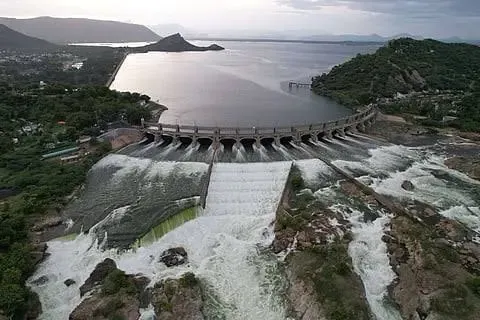
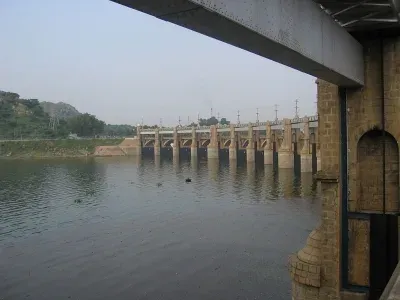
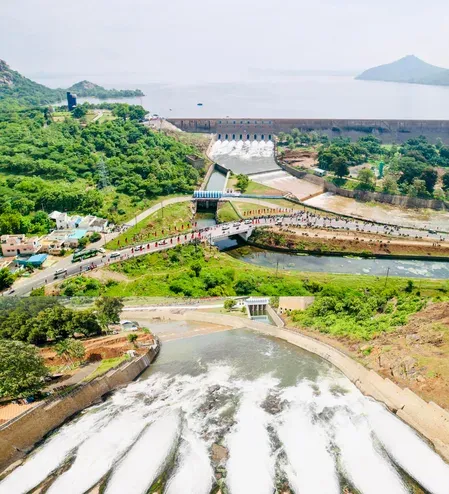
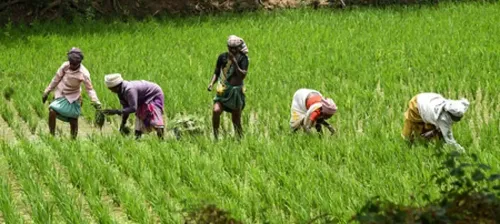
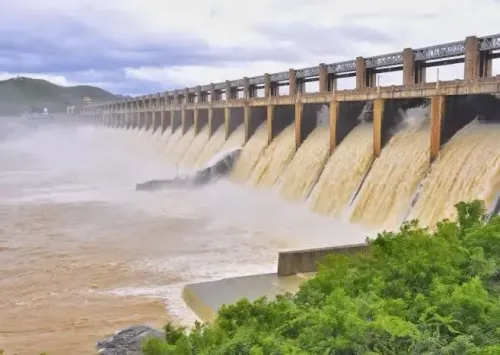
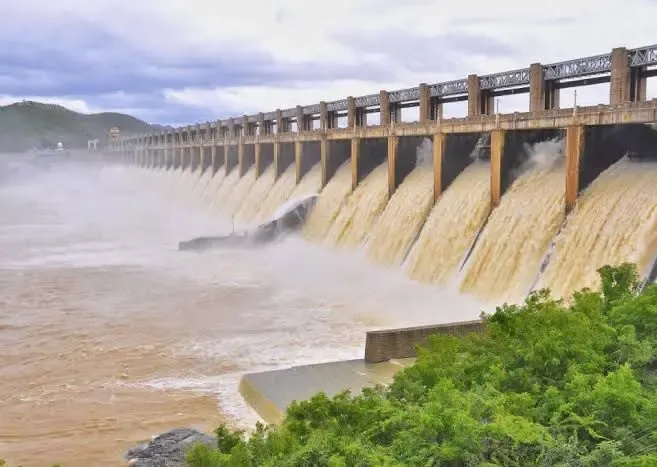
Chennai, Feb 12 (NationPress) In a significant effort to safeguard the standing paddy crops throughout the Cauvery delta, the Tamil Nadu government has increased the water discharge from the Mettur Dam. This decision follows persistent requests from farmers and local political figures. The outflow has been raised by 500 cusecs, now totaling 2,500 cusecs, to bolster irrigation for samba and thaladi cultivation.
Officials revealed that the discharge had previously been at 2,000 cusecs but was adjusted after farmers in various delta blocks reported severe water shortages. Typically, the dam is closed for irrigation on January 28, limiting water releases primarily for drinking purposes. However, the current agricultural situation necessitated a re-evaluation of this practice.
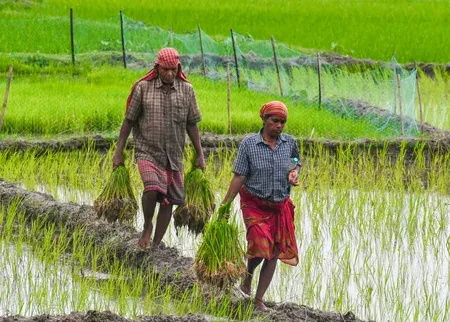
Farmers highlighted that unpredictable and irregular rainfall during the last monsoon season had hindered sowing in many delta regions. Consequently, numerous samba and thaladi paddy fields are now at critical growth stages, requiring uninterrupted irrigation.
Without prompt water delivery, farmers have warned of significant crop stress, which could result in lower yields and financial hardships.
Agricultural areas like Budalur and Tiruvaiyaru are among the most impacted, with farmers urging the authorities to facilitate greater flow from the reservoir.
Farmers’ organizations, alongside local representatives and political leaders, have continuously urged the government to take action to protect livelihoods in the region, where paddy farming is essential to the rural economy.
In response to these urgent calls, the Water Resources Department has increased the discharge to stabilize irrigation channels and guarantee that adequate water reaches areas at the tail end.
Officials indicated that the enhanced release would benefit thousands of acres of standing crops and help maintain soil moisture during this critical cultivation phase.
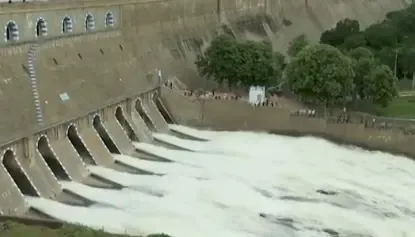
This additional flow is set to travel downstream to the Kallanai Dam, known as the Grand Anaicut, from which water will be distributed through an extensive canal system across the delta districts.
Farmers have welcomed this decision, expressing optimism that a consistent water supply will protect their harvests and reduce potential losses. They have also urged authorities to monitor reservoir levels and agricultural requirements closely to ensure effective irrigation until the crops reach maturity.
Point of View
The increased water release from Mettur Dam is a necessary response to the agricultural challenges faced by farmers in Tamil Nadu. It underscores the importance of government intervention in safeguarding food security and supporting rural economies, reflecting a commitment to addressing the needs of the agricultural sector.
NationPress
30 Sept 2026
Frequently Asked Questions
Why was the water release from Mettur Dam increased?
The Tamil Nadu government increased the water release to safeguard standing paddy crops in the Cauvery delta due to severe water shortages reported by farmers.
How much has the water discharge been increased?
The discharge has been increased by 500 cusecs, bringing the total outflow to 2,500 cusecs.
What crops are being protected by this decision?
The decision primarily aims to protect samba and thaladi paddy crops.
Which areas are most affected by the water shortage?
Agricultural blocks such as Budalur and Tiruvaiyaru are among the worst affected by water shortages.
What is the expected impact of the increased water flow?
The increased water flow is expected to stabilize irrigation channels and ensure sufficient water reaches tail-end areas, supporting thousands of acres of standing crops during critical growth phases.