Tiruchy Farmers Demand Cauvery Water Release as Heatwave Kills Crops
Synopsis
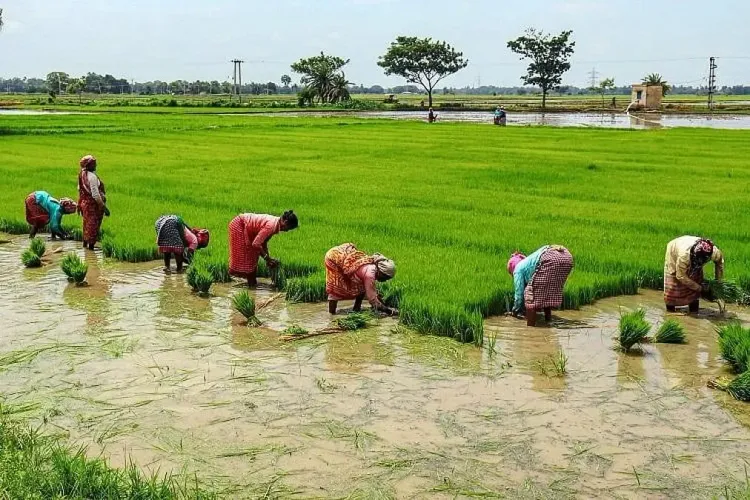
Over 15,000 acres of summer paddy and vast cash crop fields in Tiruchy are at risk as a heatwave dries up Cauvery irrigation canals shut since January. Farmers warn groundwater is collapsing and demand water release from an adequately stocked Mettur Dam — yet authorities have not acted.
Key Takeaways
Over 15,000 acres of summer paddy and extensive cash crop fields in Tiruchy and Karur districts face crop failure due to dry irrigation canals.
Irrigation canals have received no water since late January 2025 , following the seasonal closure of Mettur Dam for delta irrigation.
Farmers are relying on borewells , but groundwater levels are declining sharply, threatening both agriculture and rural drinking water supplies .
The Cauvery's 17 irrigation canals — fed by Mayanur and Mukkombu barrages — remain dry, with crops like banana and flowers under severe stress.
Farmers allege the traditional practice of regulated summer water release into the Cauvery has been discontinued in recent years, with water diverted to urban schemes.
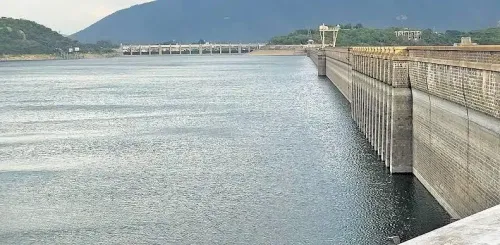
With Mettur reservoir storage currently adequate , farmers are urging the Tamil Nadu government to release water into the Cauvery system until end of May 2025 .
Tiruchy, Tamil Nadu — Farmers across Tiruchy district are facing a severe agrarian crisis as an intense summer heatwave has left major irrigation canals bone dry, threatening over 15,000 acres of summer paddy and vast stretches of cash crops. As of late April 2025, cultivators have urgently appealed to state authorities to release water into the Cauvery river system before crops fail and groundwater reserves collapse entirely.
Scale of the Crisis: What Farmers Are Facing
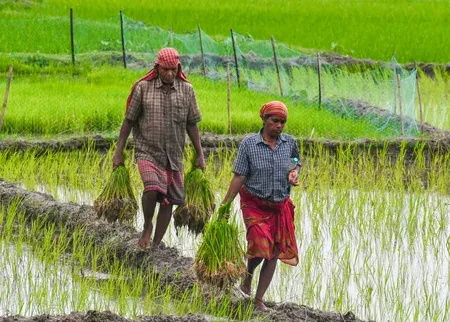
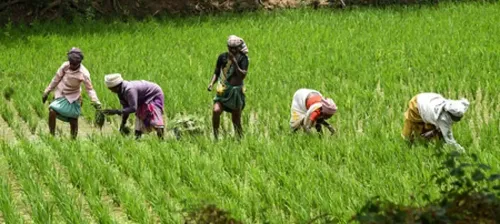
The agricultural distress spans Tiruchy and the adjoining Karur district, where farmers have cultivated not just paddy but also banana, sugarcane, pulses, oilseeds, betel vine, vegetables, and flowers this season. The sudden withdrawal of canal water has left these crops dangerously exposed to the scorching heat.
Irrigation canals — fed by the Mayanur and Mukkombu barrages and connected to the Cauvery's network of 17 irrigation channels — have been without water flow since late January 2025, following the seasonal closure of Mettur Dam for delta irrigation. Farmers warn that sustaining crops through mid-June is virtually impossible without immediate intervention.
In several villages, hundreds of acres of flower cultivation depend entirely on borewells, with groundwater levels dropping sharply due to the prolonged dry spell. Banana growers have specifically flagged the Mettu Vaikkal channel as critically dry, placing their orchards under severe stress.
Groundwater Depletion: A Deepening Emergency
Farmers across the district say they have been forced to rely on borewell irrigation, but declining groundwater tables are making even this fallback increasingly unreliable. The absence of canal flow has disrupted the natural recharge cycle that replenishes aquifers during summer months.
The crisis is not limited to agriculture. Drinking water shortages have begun to affect rural households and livestock, compounding the humanitarian dimension of the problem. Farmers stress that even a limited, regulated release of water into the Cauvery system would help recharge groundwater and provide temporary relief to both people and crops.
Traditionally, the state government releases a controlled flow of water into the Cauvery during summer months — either continuously or on a rotational basis — to support irrigation canals. However, farmers allege that this practice has been discontinued in recent years, with available water being diverted to drinking water schemes and lift irrigation projects in other regions.
What the Farmers Are Demanding
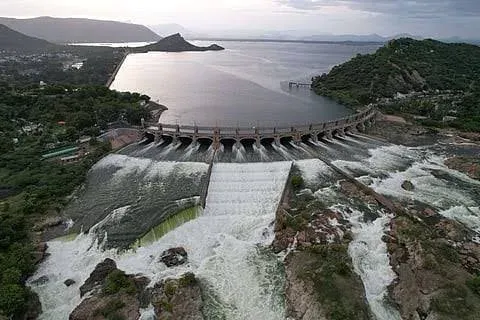
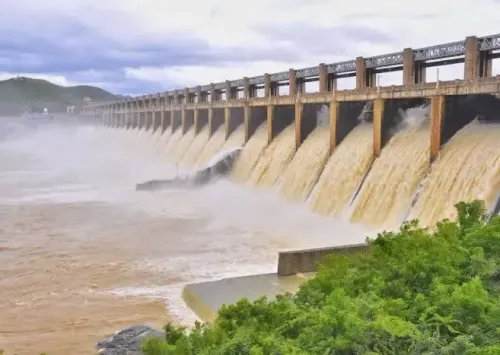
With storage levels at the Mettur reservoir currently described as adequate, farmers have urged the Tamil Nadu state government to prioritise releasing water into the Cauvery system until the end of May 2025. They have also called on district administration officials in Tiruchy to escalate the matter to state-level authorities without further delay.
Farmers emphasise that timely action — even a few weeks of regulated canal flow — could prevent massive crop losses and stabilise the rapidly declining groundwater table across both districts.
Broader Context: A Recurring Pattern of Neglect
This crisis is not isolated. Tamil Nadu's Cauvery delta region has faced recurring water management disputes, complicated by inter-state tensions with Karnataka over Cauvery allocations. Notably, the Supreme Court's 2018 Cauvery water-sharing verdict attempted to bring structure to allocations, yet ground-level implementation has remained inconsistent, leaving delta farmers vulnerable season after season.
Critics argue that the diversion of Cauvery water to urban drinking water schemes — while necessary — has come at the cost of agricultural communities that have historically depended on this river. The irony is stark: in a year when Mettur reservoir levels are reportedly adequate, thousands of farmers are watching their crops wither due to administrative inaction.
The situation also raises questions about Tamil Nadu's climate adaptation strategy for agriculture, as heatwaves grow more intense and groundwater depletion accelerates across peninsular India. Without structural reforms in water distribution and canal maintenance, episodes like this are likely to repeat with increasing frequency.
With mid-May marking a critical window for crop survival, all eyes are now on whether the state government will act swiftly or allow the crisis to deepen further into the summer months.
Point of View
But a policy failure. With Mettur reservoir holding adequate water, the suffering of thousands of farmers is the direct result of administrative priorities that consistently place urban water schemes above rural agrarian needs. This mirrors a national pattern where India's green revolution heartlands are being quietly hollowed out through groundwater over-extraction and canal neglect, even as politicians claim farmer welfare. If a state cannot release water from a full dam to save 15,000 acres of standing crops, it must answer hard questions about whose interests its water policy truly serves.
NationPress
19 Sept 2026
Frequently Asked Questions
Why are Tiruchy farmers demanding water release in April 2025?
Tiruchy farmers are demanding water release because irrigation canals have been dry since late January 2025 following the closure of Mettur Dam, leaving over 15,000 acres of summer paddy and cash crops without water. Groundwater levels are also declining rapidly, threatening both agriculture and drinking water supplies.
Which crops are at risk due to the water shortage in Tiruchy?
Crops at risk include summer paddy across 15,000 acres, along with banana, sugarcane, pulses, oilseeds, betel vine, vegetables, and flowers cultivated across Tiruchy and Karur districts. Flower and banana cultivations are particularly vulnerable as they depend entirely on borewells.
What is the role of Mettur Dam in this irrigation crisis?
Mettur Dam is the primary source of water for the Cauvery delta irrigation system in Tamil Nadu. It was closed for delta irrigation in late January 2025, cutting off water flow to 17 irrigation canals in Tiruchy, and farmers are now urging the government to release water from the dam, which reportedly has adequate storage levels.
How does the Cauvery canal network work in Tiruchy district?
The Cauvery irrigation network in Tiruchy comprises 17 canals fed by the Mayanur and Mukkombu barrages. Water released from Mettur Dam flows through the Cauvery river into these barrages, which then distribute water to agricultural lands across Tiruchy and Karur districts.
What are the consequences if water is not released into Tiruchy canals soon?
Without water release, farmers warn that sustaining crops until mid-June will be impossible, leading to widespread crop failure and significant financial losses. The continued absence of canal flow will also deepen groundwater depletion, worsening drinking water shortages for rural households and livestock.