Cauvery water at Upper Anicut drops to 1,500 cusecs; delta farmers face irrigation crisis
Synopsis
Tamil Nadu released 7,000 cusecs from Mettur dam to save the delta's kuruvai season — but by the time the water reached Tiruchy's Upper Anicut, barely 1,500 cusecs remained. Experts say the delta needs more than 16,000 cusecs to function. The gap between the political announcement and the water actually arriving at farmers' fields is stark.
Key Takeaways
Joseph Vijay released 7,000 cusecs from Mettur dam on 1 September for Cauvery delta irrigation.
By 5 September , only 1,500 cusecs reached the Upper Anicut at Mukkombu in Tiruchy district .
Irrigation experts say a minimum of 16,000 cusecs is needed to adequately feed the delta's irrigation network.
The Mettur release was delayed this season due to inadequate reservoir storage; water was discharged only after levels rose to 92 feet .
The water is expected to reach the Grand Anicut (Kallanai) on Saturday, with irrigation releases likely beginning Sunday .
Farmers have already been demanding adequate canal releases, with kuruvai cultivation in parts of the delta already disrupted.
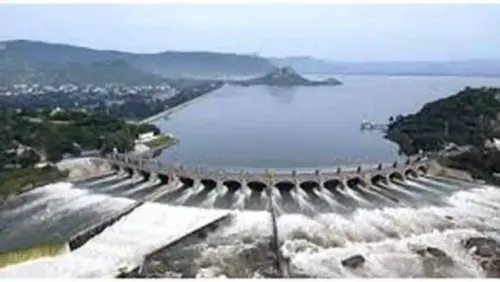
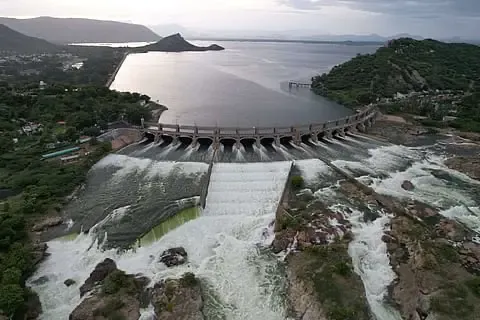
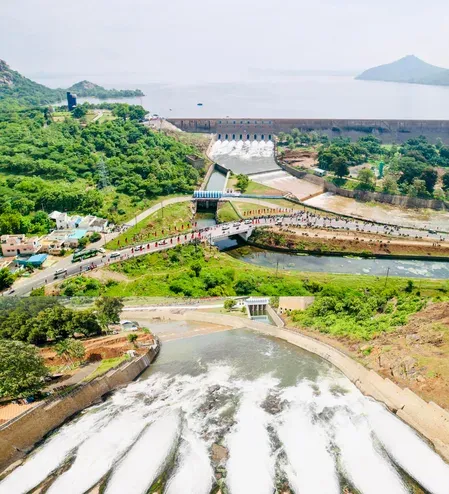
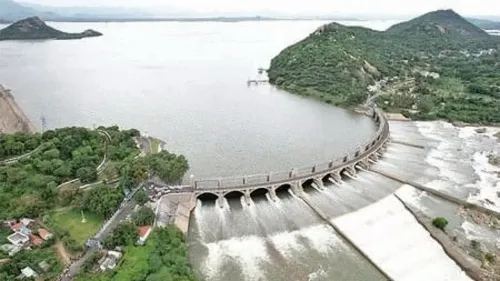
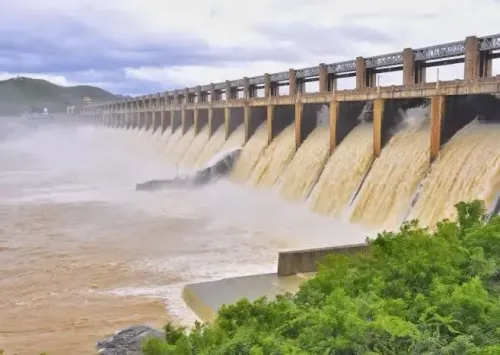
Only 1,500 cusecs of Cauvery water reached the Upper Anicut at Mukkombu in Tiruchy district on Friday, 5 September, a steep drop from the 7,000 cusecs released from the Mettur dam on 1 September, raising serious concerns over whether the flow is adequate to sustain irrigation across the Cauvery delta. Irrigation experts warn that the current discharge is far below what the delta's agricultural network requires.
The Journey from Mettur to Mukkombu
Chief Minister C. Joseph Vijay had ordered the release of 7,000 cusecs from the Mettur reservoir on 1 September to support cultivation in the delta districts. The release itself had been delayed this season due to inadequate storage — water was eventually discharged only after the reservoir level rose to 92 feet, with an inflow of 8,456 cusecs.
The released water first reached the Mayanur barrage in Karur district on Thursday, where the flow was initially recorded at 2,737 cusecs before rising to 4,081 cusecs. Approximately 2,050 cusecs was subsequently discharged from Mayanur towards the Upper Anicut.
What Arrived at Mukkombu
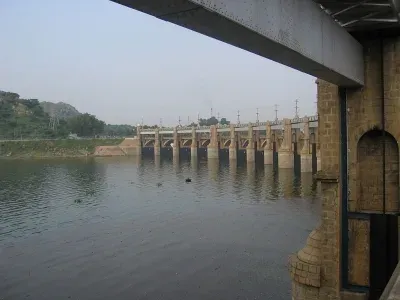
The water reached Mukkombu around 6 am on Friday. Officials noted that 777 cusecs was already available at the barrage and was being utilised for drinking water requirements. Of the 2,050 cusecs dispatched from Mayanur, only around 1,500 cusecs ultimately reached the Upper Anicut — a loss of roughly 550 cusecs in transit.
Expecting the flow to improve gradually, authorities released the available 1,500 cusecs into the Cauvery towards the Grand Anicut (Kallanai). The water is expected to reach Kallanai on Saturday, with releases into irrigation systems likely to begin on Sunday.
Why Experts Are Alarmed
Irrigation experts cautioned that the present discharge is far below the minimum needed for effective irrigation across the delta. According to these experts, a flow of more than 16,000 cusecs is required to adequately feed the region's irrigation network. At current levels, water is likely to remain largely confined to the main river channel, with insufficient quantities reaching branch rivers and the irrigation canals that serve agricultural fields.
This comes amid an already-delayed kuruvai cultivation season in parts of the Cauvery delta, where farmers have been awaiting water for their crops. The delayed Mettur release had already disrupted planting schedules for some cultivators.
Farmers Demand Adequate Releases
Farmers across the delta districts have been pressing for adequate releases into irrigation canals. Experts warned that unless discharge increases substantially in the coming days, the current flow will provide little meaningful relief to cultivators. The situation is being closely monitored by irrigation officials, who are hopeful that inflows into Mettur will strengthen and allow for higher releases downstream.
Point of View
500-cusecs figure arriving at Mukkombu against a 7,000-cusecs release from Mettur is not just a transit-loss story — it exposes the structural fragility of the Cauvery delta's water delivery chain. Experts pegging the minimum requirement at 16,000 cusecs make the current flow look almost symbolic. The delayed Mettur release, already a blow to the kuruvai season, now risks compounding into a rabi-season problem if inflows do not recover quickly. Tamil Nadu's delta farmers are not a marginal constituency, and the gap between political announcements and water reaching fields is a pattern that recurs every drought year without systemic fix.
NationPress
20 Oct 2026
Frequently Asked Questions
How much Cauvery water reached the Upper Anicut at Mukkombu on 5 September?
Only about 1,500 cusecs of Cauvery water reached the Upper Anicut at Mukkombu in Tiruchy district on 5 September, down sharply from the 7,000 cusecs released from Mettur dam on 1 September. Officials released the available flow onward towards the Grand Anicut (Kallanai).
Why was the Mettur dam release delayed this year?
The release from Mettur dam was delayed because of inadequate storage in the reservoir. Water was eventually discharged only after the reservoir level rose to 92 feet, with an inflow of 8,456 cusecs.
How much water do experts say is needed for effective Cauvery delta irrigation?
Irrigation experts say a flow of more than 16,000 cusecs is required to adequately feed the Cauvery delta's irrigation network. At 1,500 cusecs, water is likely to remain confined to the main river channel and may not reach branch rivers or agricultural canals.
When will the Cauvery water reach the Grand Anicut (Kallanai)?
The water released from the Upper Anicut is expected to reach the Grand Anicut, also known as Kallanai, on Saturday, 6 September. Authorities are likely to begin releasing it into irrigation systems on Sunday.
How has the delayed water release affected farmers in the Cauvery delta?
The delayed Mettur release has already disrupted kuruvai cultivation in parts of the Cauvery delta. Farmers have been demanding adequate releases into irrigation canals, and experts warn that unless discharge increases substantially, the current flow will provide little meaningful relief to cultivators.