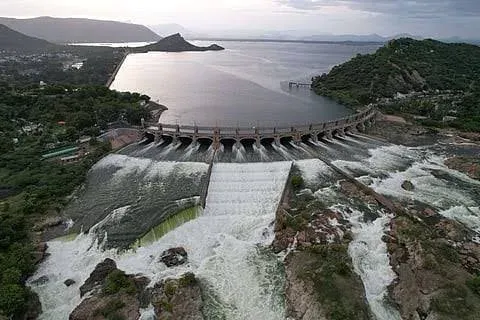
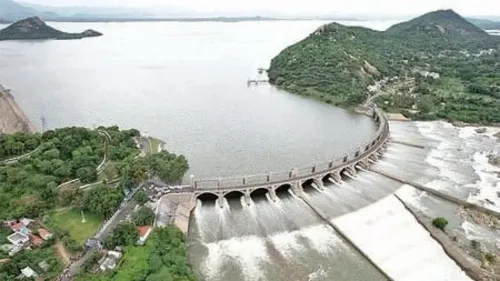
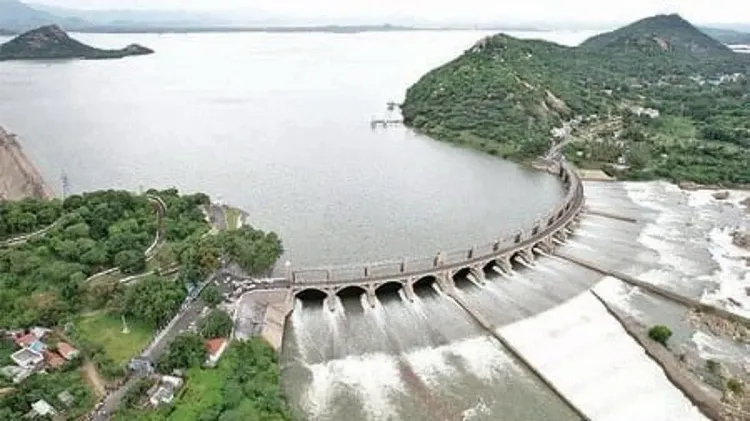
Mettur reservoir at 79 ft: Kuruvai cultivation in TN's Cauvery delta under threat
Synopsis
Mettur reservoir has plunged to 41 TMC — barely half of last year's level — pushing the iconic June 12 water release for kuruvai cultivation into serious doubt. With the cultivation target already slashed by nearly half and only 35% of even that reduced area covered, Tamil Nadu's Cauvery delta faces its most uncertain agricultural season in years.
Key Takeaways
Mettur reservoir stood at 79 feet on Sunday, against 108 feet recorded during the same period in 2024 .
Storage has fallen to 41.035 TMC , compared to 76.031 TMC in the corresponding period of 2025 .
The customary June 12 water release for kuruvai cultivation requires reservoir levels above 100 feet — a threshold not currently in sight.
Kuruvai cultivation target has been cut to 3.44 lakh acres from 6.31 lakh acres achieved in 2025 .
Only about 35% of even the revised target area has reportedly been covered so far.
Farmers may shift to a single samba crop strategy to minimise losses if kuruvai irrigation fails.
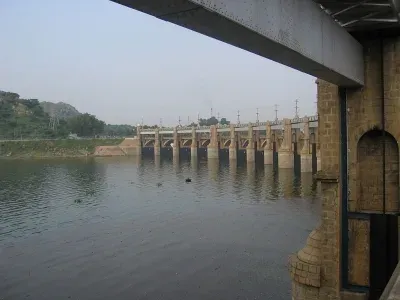
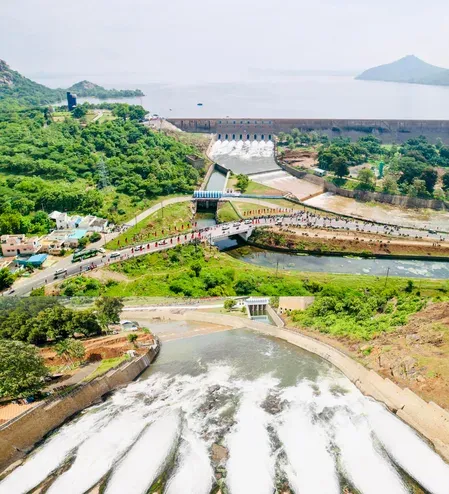
A steep fall in water storage at the Mettur reservoir has cast serious doubt over kuruvai cultivation across Tamil Nadu's Cauvery delta, with farmers and agricultural experts warning that the customary June 12 water release now appears unlikely. The reservoir level stood at 79 feet on Sunday — sharply lower than the 108 feet recorded during the same period last year.
How Low the Storage Has Fallen
Storage at the Mettur dam has dropped to 41.035 TMC, compared to 76.031 TMC during the corresponding period in 2025 — a decline of nearly half. The conventional threshold for releasing water for kuruvai cultivation is when reservoir levels cross 100 feet. With current levels nearly 21 feet below that mark, the scheduled opening is under serious threat.
Agricultural experts warn that storage could fall further by early June, as allocations for drinking water requirements will continue to draw down reserves, adding to pressure on irrigation planning across the delta districts.
Revised Cultivation Targets and District Breakdown
Authorities have substantially scaled back expectations for the current season. The kuruvai cultivation target has been cut to 3.44 lakh acres, down from the 6.31 lakh acres achieved in 2025. District-wise targets have been fixed at 1.57 lakh acres in Thanjavur, 97,000 acres in Tiruvarur, 87,000 acres in Mayiladuthurai, and 59,000 acres in Nagapattinam.
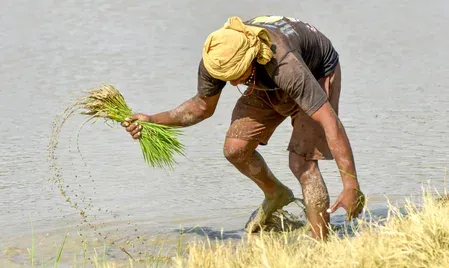
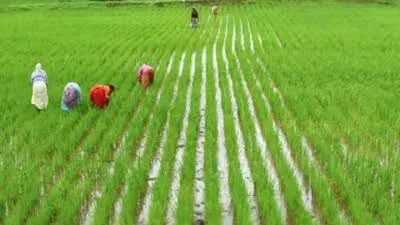
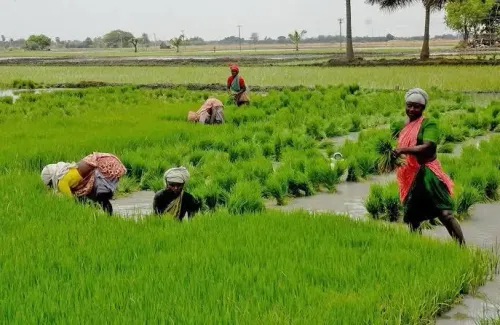
Agricultural activity across the delta has progressed slowly, with only about 35 per cent of the targeted area reportedly covered so far. Farmers who have already begun cultivation are relying largely on groundwater resources and borewells, while hoping for favourable southwest monsoon conditions.
A Contrast With Recent Seasons
The current crisis stands in sharp contrast to the agricultural performance of the preceding five years. Between 2020 and 2025, Mettur releases largely took place on schedule — with the exception of one season — enabling bumper harvests and helping kuruvai cultivation exceed targets in several years. Samba cultivation also recorded strong results during this period.
This is the first time in several years that the June 12 release is genuinely in question, marking a significant setback for a delta region that had grown accustomed to reliable irrigation.
Cauvery Water Allocation and Farmer Concerns
Alongside reservoir concerns, there are growing calls for ensuring that Tamil Nadu's allocated share of Cauvery water is released in accordance with established inter-state water-sharing arrangements. Farmers and advocacy groups argue that both upstream allocations and monsoon uncertainty are compounding an already difficult situation.
With water availability remaining uncertain, agricultural observers note that farmers may increasingly shift towards a single samba crop strategy — forgoing the kuruvai season entirely — in an effort to reduce risk and minimise potential losses during the current agricultural year.
Point of View
And a credible contingency plan — not just a revised acreage number — for the 65% of even the reduced target area that has not yet been planted. A shift to samba monocropping, if it materialises at scale, carries its own soil-health and income-volatility risks that deserve attention now, not after the season is lost.
NationPress
13 Oct 2026
Frequently Asked Questions
Why is the June 12 Mettur water release for kuruvai cultivation at risk in 2025?
The Mettur reservoir stood at 79 feet as of Sunday — well below the 100-foot threshold conventionally required before water is released for kuruvai cultivation. With storage at 41.035 TMC against 76.031 TMC during the same period in 2025, and further drawdowns expected for drinking water needs, the June 12 release appears unlikely this season.
What is kuruvai cultivation and why does the June 12 release matter?
Kuruvai is the early short-duration paddy crop grown in Tamil Nadu's Cauvery delta, typically sown between June and September. The June 12 water release from Mettur dam is a decades-old tradition that marks the start of the kuruvai season; a delayed or cancelled release directly reduces the acreage farmers can plant.
How much has the kuruvai cultivation target been reduced for 2025?
Authorities have cut the kuruvai target to 3.44 lakh acres from the 6.31 lakh acres achieved in 2025 — a reduction of nearly 45%. District targets have been set at 1.57 lakh acres in Thanjavur, 97,000 acres in Tiruvarur, 87,000 acres in Mayiladuthurai, and 59,000 acres in Nagapattinam.
What are farmers in the Cauvery delta doing in the absence of Mettur water?
Farmers who have already begun cultivation are relying on groundwater and borewells while hoping for favourable southwest monsoon rainfall. There are also growing calls for Tamil Nadu's allocated share of Cauvery water to be released under inter-state water-sharing arrangements.
Could farmers shift away from kuruvai entirely this season?
Agricultural observers say there is a real possibility that farmers may opt for a single samba crop strategy — skipping the kuruvai season altogether — to reduce financial risk if irrigation water remains unavailable. This would represent a significant departure from the multi-crop pattern that has prevailed in the delta over the past five years.