CM Rekha Gupta links Vijayadashami to Delhi governance vision
Synopsis
Delhi Chief Minister Rekha Gupta used Vijayadashami 2026 to publish a Navbharat Times op-ed connecting the festival's victory-of-truth theme to her governance philosophy, Delhi's Ramleela heritage, and a development vision anchored in youth power and civic participation.
Key Takeaways
Rekha Gupta published an op-ed in Navbharat Times on Vijayadashami, 20 October 2026 .
She argued the festival's message of truth's victory must be a 'resolve for governance', not just celebration.
The piece highlights Delhi's Ramleela tradition as a pillar of the city's cultural identity.
Three development pillars named: jan bhaagidaari (public participation), yuva shakti (youth energy), and cultural roots.
Delhi's Ramlila Maidan has hosted large-scale Ramleela performances for several decades under successive administrations.
Writing in a Hindi-language platform signals deliberate outreach to the city's vernacular majority audience.
On the morning of Vijayadashami, 20 October 2026, Delhi Chief Minister Rekha Gupta moved beyond a ceremonial greeting — publishing a full-length opinion piece in a leading Hindi daily to argue that the festival's ancient message belongs inside the machinery of modern governance.
Writing in Navbharat Times, Gupta framed the occasion with a pointed line: 'Satya ki vijay keval utsav ka sandesh nahi, jeevan aur shasan ka sankalp bhi ho' — 'The victory of truth must not remain only a festival's message; let it also be a resolve for life and governance.' The piece, she said, reflects on Delhi's rich Ramleela tradition, the city's cultural heritage, and the commitment to good governance that she wants to thread through the capital's development journey.
Delhi's Ramleela tradition and what it carries
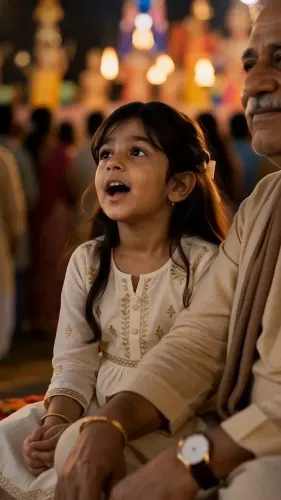
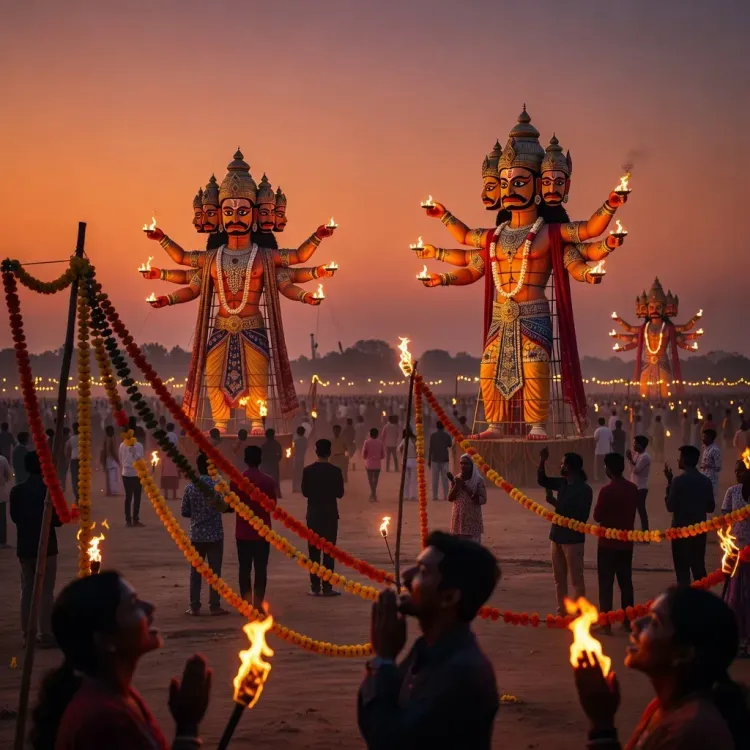
Delhi's Ramleela is among the most publicly visible cultural institutions in the national capital, staged every year across dozens of grounds during Navratri, with the sprawling Ramlila Maidan hosting some of the city's largest performances for several decades. These are not quiet, temple-bound observances — they draw tens of thousands of residents, function as neighbourhood civic events, and have long been woven into the city's annual calendar by successive administrations. Gupta's piece situates this tradition not as nostalgia but as living social infrastructure.
Youth, public participation, and 'Viksit Delhi'
Gupta's article specifically highlights three pillars she considers central to what she calls Viksit Delhi — a 'developed Delhi': public participation (jan bhaagidaari), youth energy (yuva shakti), and cultural roots. The framing mirrors a wider pattern among Indian political leaders of anchoring urban development rhetoric in civilisational continuity, particularly around major Hindu festivals. For Gupta, the argument is that a city which remembers its cultural foundations governs better — and involves its citizens more honestly.
The choice of a Hindi-language platform deepens the signal. Writing in Navbharat Times reaches a Hindi-reading Delhi audience that is distinct from the English-media public sphere — a deliberate outreach to the city's vernacular majority on a day when the symbolic vocabulary of Dussehra is at its most resonant.
Whether the cultural resolve articulated today translates into specific civic programmes around Ramleela grounds or youth-focused cultural initiatives will be the real test. For now, Gupta has made the festival's core metaphor — the defeat of Ravana, the triumph of dharma — her government's declared governing principle. The effigies burn every year; the harder question is whether the resolve outlasts the smoke.
Point of View
Targeting Delhi's vernacular-reading majority ahead of any future electoral cycle. The 'Viksit Delhi' framing mirrors the Centre's 'Viksit Bharat' lexicon, suggesting a conscious vertical alignment of messaging. The deeper question is whether cultural-roots rhetoric will be matched by tangible policy around Delhi's Ramleela infrastructure and youth programmes.
NationPress
20 Oct 2026
Frequently Asked Questions
What did Rekha Gupta write on Vijayadashami 2026?
Delhi Chief Minister Rekha Gupta published an op-ed in Navbharat Times on Vijayadashami 2026, connecting the festival's victory-of-truth theme to her vision of good governance, Delhi's Ramleela tradition, and development goals centred on public participation and youth energy.
What is Delhi's Ramleela tradition?
Delhi's Ramleela involves large-scale annual theatrical performances of the Ramayana staged across the city during Navratri, with Ramlila Maidan hosting some of the biggest events for several decades. It serves as both a cultural and civic institution for Delhi's residents.
What does 'Viksit Delhi' mean in Rekha Gupta's article?
'Viksit Delhi' translates to 'developed Delhi' — a vision Gupta has outlined with three pillars: public participation (jan bhaagidaari), youth energy (yuva shakti), and cultural roots, presented as the foundation for the capital's growth journey.
Why did Rekha Gupta write in Navbharat Times specifically?
Navbharat Times is a widely-read Hindi-language daily, giving Gupta direct reach to Delhi's vernacular-majority readership — a deliberate platform choice on a culturally significant day like Vijayadashami.
What is Vijayadashami and why do Indian leaders issue messages on it?
Vijayadashami, also known as Dussehra, is a major Hindu festival marking the victory of good over evil, traditionally celebrated with Ramleela performances and the burning of Ravana effigies. Indian political leaders routinely use the occasion to connect the festival's moral symbolism with governance and public life.