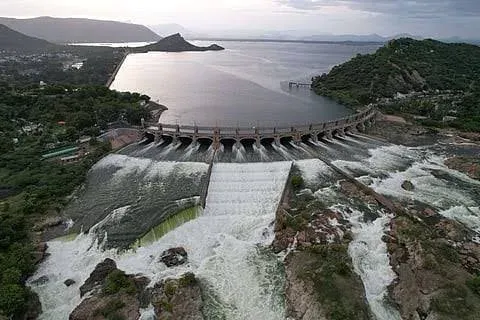
Mettur dam water yet to reach Cauvery delta canals, samba cultivation stalls
Synopsis
A month after Mettur dam opened — already 81 days behind schedule — the Cauvery delta's canals are running at a fraction of their capacity, with samba cultivation barely begun on 20,384 of a targeted 3.12 lakh acres. With 90% of farmers potentially facing a late start and the northeast monsoon approaching, the delta's paddy harvest is in real jeopardy.
Key Takeaways
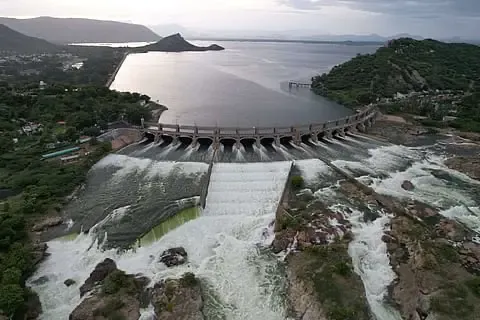
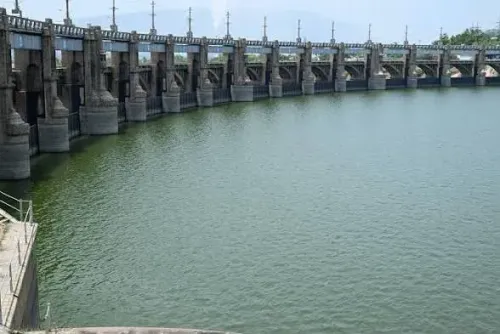
Mettur dam was opened on 1 September , 81 days after the customary 12 June date, due to inadequate storage.
The Cauvery is carrying 4,901 cusecs against a capacity of 10,691 cusecs ; the Vennar just 1,408 of 9,370 cusecs .
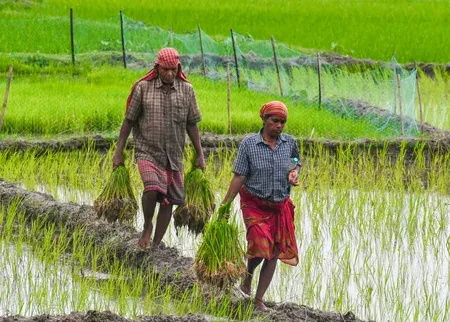
Samba cultivation has begun on only 20,384 acres against a district target of 3.12 lakh acres .
Farmers' body president P.
Chinnadurai is demanding a release of 22,000 cusecs , up from the current ~ 12,000 cusecs .
Up to 90% of farmers may be forced to delay planting until the northeast monsoon begins in October .
Farmers have urged the state government to secure Tamil Nadu's entitled share of Cauvery water from Karnataka .
Twenty-five days after the Mettur dam opened its sluices, a large stretch of the Cauvery delta in Tamil Nadu remains parched, with many irrigation canals still dry and farmers across Thanjavur and neighbouring districts holding back on samba paddy cultivation. The delay has intensified fears that a late-season crop will be left exposed to destructive rainfall during the approaching northeast monsoon.
Why Canals Are Running Dry
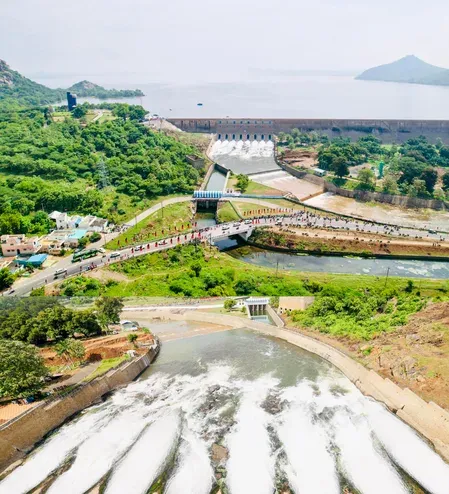
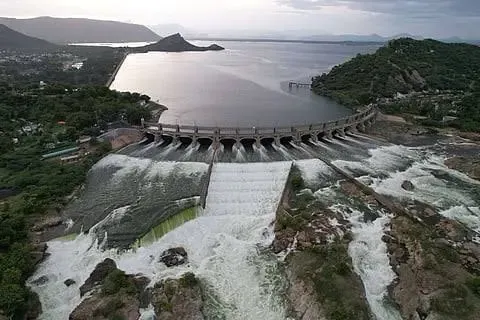
The dam at Mettur was opened on 1 September 2024 — nearly 81 days later than the customary date of 12 June — owing to inadequate storage. Releases through the Grand Anicut began on 6 September, feeding the Cauvery, Vennar, Grand Anicut Canal, and Kollidam river systems.
However, the volumes flowing through these channels fall well short of their designed capacities. The Cauvery is currently receiving 4,901 cusecs against a carrying capacity of 10,691 cusecs. The Vennar is receiving 1,408 cusecs against a capacity of 9,370 cusecs, while the Grand Anicut Canal carries 1,500 cusecs against a capacity of 3,380 cusecs. Smaller tributary channels fed by these waterways have consequently received little to no water, leaving tail-end fields completely unserved.
Farmers at the Tail End Bear the Brunt
P. Chinnadurai, president of the Tamil Nadu Cauvery Farmers Protection Association, said the current release of approximately 12,000 cusecs from Mettur is insufficient to push water through to the farthest reaches of the delta network. He called on the state government to secure a release of at least 22,000 cusecs to ensure equitable distribution.
Even in head-reach canals where water has arrived, flows are reportedly too shallow and slow to enter adjoining fields. Farmers who depend solely on river irrigation are therefore waiting, while those with access to deep borewells have managed to begin transplanting — widening the gap between irrigated and rain-fed cultivators.
Scale of the Cultivation Shortfall
The figures paint a stark picture. Against a district target of 3.12 lakh acres under samba and thaladi paddy, cultivation has commenced on just 20,384 acres so far. Chinnadurai estimated that as many as 90 per cent of farmers could be forced into a late start, with many now planning to sow or transplant only after the northeast monsoon sets in during the Tamil month of Aippasi, which begins in October.
This is not an isolated concern — the region has faced recurring late-release years tied to upstream storage disputes between Tamil Nadu and Karnataka. The southwest monsoon has also delivered below-expectation rainfall this season, compounding the shortfall.
Risks Ahead and Farmer Demands
A delayed samba crop faces heightened vulnerability to intense rainfall during the northeast monsoon, which historically brings heavy precipitation to the delta between October and December. Farmers have urged the Tamil Nadu government to press Karnataka to release the state's entitled share of Cauvery water and ensure adequate supply throughout the cultivation season.
With the critical transplanting window narrowing by the day, the next few weeks will determine whether the delta's samba harvest remains viable or faces a widespread setback.
Point of View
384 of 3.12 lakh target acres planted, the shortfall is not marginal. A late crop pushed into the heart of the northeast monsoon season is an agronomic gamble the delta cannot easily afford. State governments on both sides of the border have consistently treated Cauvery sharing as a political flashpoint rather than a managed hydrological resource, and farmers at the tail end pay the price every delayed season.
NationPress
26 Sept 2026
Frequently Asked Questions
Why has Mettur dam water not reached Cauvery delta canals?
The water releases from Mettur, which began on 1 September, are running well below the carrying capacity of the Cauvery, Vennar, and Grand Anicut Canal systems — at roughly half or less of required volumes — meaning tail-end canals receive little to no flow. Farmers' association president P. Chinnadurai says the current release of about 12,000 cusecs needs to be raised to 22,000 cusecs to serve the full delta network.
How much of the samba cultivation target has been met so far?
Cultivation has started on just 20,384 acres against a district target of 3.12 lakh acres under samba and thaladi paddy, according to reports. Up to 90% of farmers may be forced into a delayed start, according to the Tamil Nadu Cauvery Farmers Protection Association.
Why was Mettur dam opened late this year?
Mettur dam was opened on 1 September instead of the customary 12 June date because of inadequate water storage in the reservoir. The southwest monsoon also delivered below-expected rainfall this season, compounding the shortfall.
What are farmers demanding from the Tamil Nadu government?
Farmers are urging the state government to secure Tamil Nadu's entitled share of Cauvery water from Karnataka and press for higher releases — specifically a minimum of 22,000 cusecs from Mettur — to ensure adequate water supply through the entire samba cultivation season.
What is the risk of delaying samba cultivation?
A delayed samba crop that begins in October faces heightened vulnerability to intense rainfall during the northeast monsoon, which brings heavy precipitation to the Cauvery delta between October and December. Intense rain during the paddy's growth stages can cause significant crop damage and reduce yields.