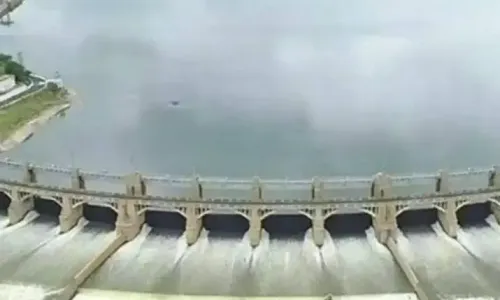
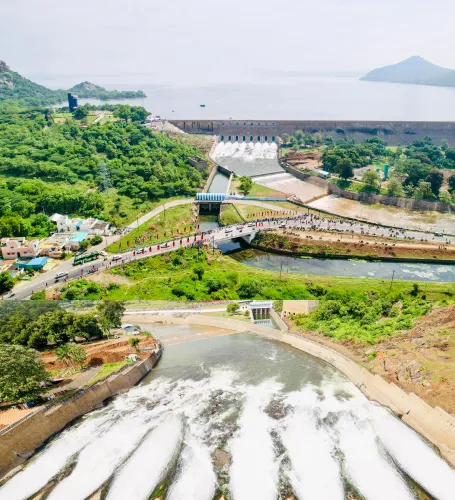
Mettur dam inflow rises to 7,151 cusecs as Cauvery flow enters Tamil Nadu
Synopsis
Mettur dam's inflow jumped from 5,760 to 7,151 cusecs on 11 August as Cauvery waters from Karnataka's Kabini and KRS reservoirs — released during peak monsoon — completed their downstream journey into Tamil Nadu. With rainfall now weakening upstream, the critical question is whether this flow can be sustained long enough to bolster storage for the Cauvery delta's irrigation season.
Key Takeaways
Mettur dam inflow rose to 7,151 cusecs on 11 August , up from 5,760 cusecs .
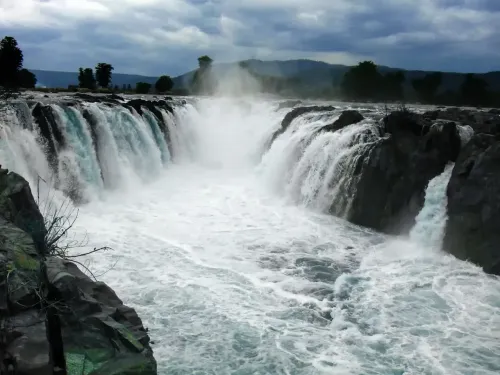
Water entered Tamil Nadu via Hogenakkal after travelling downstream from Karnataka's reservoirs.
Kabini reservoir releases peaked at around 27,000 cusecs during heavy catchment rainfall; KRS reservoir contributed approximately 1,000 cusecs .
Karnataka has since reduced releases following a weakening of monsoon rainfall in catchment areas.
Around 1,500 cusecs is being released from Mettur dam to meet downstream drinking water needs.
Officials are monitoring upstream rainfall and reservoir releases to assess water availability for the Cauvery delta irrigation season.
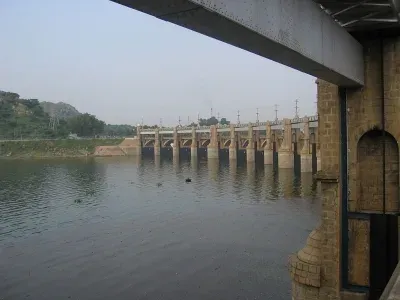
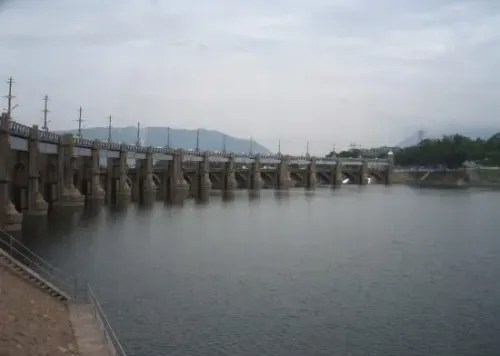
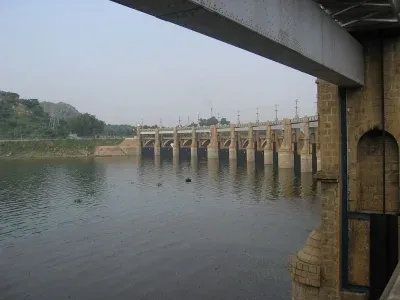
The inflow into the Mettur dam climbed to 7,151 cusecs on Tuesday, 11 August, up from 5,760 cusecs, as water released from Karnataka's reservoirs continued its downstream journey into Tamil Nadu via the Cauvery River. The rise was recorded at Hogenakkal, the key entry point where Cauvery waters cross into Tamil Nadu, before flowing onward to the Mettur reservoir in Salem district.
How the Flow Built Up
The sequence began when the intensifying southwest monsoon brought substantial rainfall to Cauvery catchment areas in Karnataka, pushing water levels higher in major upstream reservoirs. Karnataka authorities began releasing water from the Kabini reservoir into the Cauvery from 1 August, with discharge volumes adjusted in step with inflows. At peak, Kabini releases reportedly touched around 27,000 cusecs following heavy catchment rainfall.
The Krishna Raja Sagar (KRS) reservoir also contributed, with approximately 1,000 cusecs being discharged toward Tamil Nadu, adding to the cumulative Cauvery flow.
Why Inflows Dipped Before Rising Again
Rainfall subsequently weakened across the catchment zones, prompting Karnataka to scale back downstream releases. However, water already in transit continued to travel through the river system, sustaining — and ultimately lifting — the inflow reading at Hogenakkal from 5,760 cusecs to 7,151 cusecs by Tuesday morning. This lag effect between upstream releases and downstream arrival is a routine feature of Cauvery hydrology during the monsoon.
Mettur's Role in Tamil Nadu's Water System
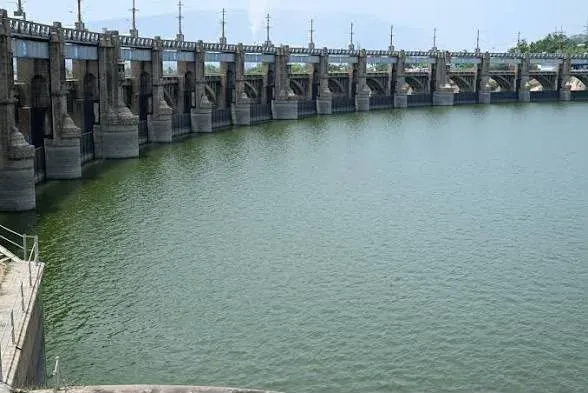
The Mettur dam is the linchpin of Tamil Nadu's water management architecture, particularly for irrigation across the Cauvery delta districts. Even as inflows rose, authorities continued releasing approximately 1,500 cusecs from the dam to meet drinking water needs in downstream areas. Storage and inflow levels at Mettur are tracked closely throughout the southwest monsoon, as the balance between Karnataka's upstream releases and local catchment rainfall ultimately determines water availability for both agriculture and drinking water supply in the delta.
What Officials Are Watching
Water management officials are expected to maintain close surveillance of rainfall patterns in Karnataka's catchment areas, reservoir release decisions upstream, and the flow reaching both Hogenakkal and Mettur in the days ahead. Any renewed intensification of the monsoon over the Cauvery basin could trigger fresh release adjustments and alter the downstream water position significantly.
Point of View
151-cusecs reading at Mettur is less a cause for comfort than a reminder of Tamil Nadu's structural dependence on Karnataka's release decisions. The inflow spike was driven by upstream discretion — Kabini gates opened, then throttled back as rainfall eased — not by any bilateral framework that guarantees predictable flows. The Cauvery delta's kharif season hangs on these upstream variables every monsoon, and Tuesday's numbers reflect a momentary alignment of rainfall and release timing, not a durable improvement in the inter-state water equation.
NationPress
25 Sept 2026
Frequently Asked Questions
What is the current inflow into Mettur dam?
As of Tuesday, 11 August, the inflow into Mettur dam stood at 7,151 cusecs, up from 5,760 cusecs recorded earlier. The increase reflects water released from Karnataka's reservoirs arriving at the Tamil Nadu entry point of Hogenakkal.
Why did Karnataka release water into the Cauvery?
Karnataka began releasing water from the Kabini reservoir on 1 August after intensifying southwest monsoon rainfall raised inflows into its Cauvery basin reservoirs. The Krishna Raja Sagar reservoir also discharged around 1,000 cusecs toward Tamil Nadu.
Why has the inflow fluctuated despite Karnataka's releases?
Rainfall weakened in Karnataka's catchment areas, prompting authorities to reduce downstream discharges. However, water already released continued travelling through the river system, creating a lag that sustained and temporarily lifted inflows at Hogenakkal and Mettur.
How much water is being released from Mettur dam?
Around 1,500 cusecs is currently being released from Mettur dam to meet drinking water requirements in downstream areas, even as the dam continues to receive the increased inflow.
Why does Mettur dam matter for Tamil Nadu?
Mettur dam is central to Tamil Nadu's water management system, supplying irrigation water to the Cauvery delta districts. Its storage levels during the southwest monsoon directly determine water availability for agriculture and drinking water across the delta.