Kabini releases 12,000 cusecs: Tamil Nadu to get water by Monday
Synopsis
Karnataka has discharged 12,000 cusecs from the Kabini reservoir — a dramatic turnaround from just 26.59% storage on 1 July to 82.65% by month-end. Tamil Nadu, which says the release came only after regulatory pressure, now waits for water to reach a Mettur reservoir sitting at barely 38% capacity, with delta farmers watching anxiously ahead of the cropping season.
Key Takeaways
Karnataka released approximately 12,000 cusecs from the Kabini reservoir following heavy rainfall in the Cauvery catchment areas .
Water is expected to reach the Biligundlu border station by Monday and the Mettur reservoir by Tuesday or Wednesday .
Kabini's storage surged from 26.59% on 1 July to 82.65% by 31 July , with inflows hitting 9,133 cusecs .
Mettur reservoir stood at 35.774 tmcft — just 38.27% of its 93.470 tmcft capacity — as of Saturday.
Tamil Nadu officials say Karnataka delayed releases despite orders from the Cauvery Water Regulation Committee and Cauvery Water Management Authority .
Farmers in the Cauvery delta are closely watching water availability ahead of the upcoming cropping season .
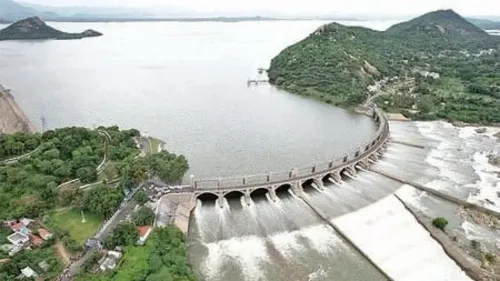
Tamil Nadu is set to receive water from Karnataka's Kabini reservoir by Monday, after the neighbouring state discharged approximately 12,000 cusecs following a sharp surge in inflows driven by heavy rainfall across the Cauvery catchment areas. The release marks a significant development in the ongoing Cauvery water-sharing standoff between the two states.
Expected Flow Timeline
Water Resources Department (WRD) officials said the released water is anticipated to reach the Biligundlu gauging station on the Karnataka-Tamil Nadu border by Monday, before flowing downstream toward the Mettur reservoir, where it could arrive by Tuesday or Wednesday. Officials, however, cautioned that the precise travel time would depend on prevailing river conditions.
Several stretches of the Cauvery basin between the two states have remained relatively dry in recent days, which could slow the downstream movement. A senior WRD official noted that evaporation and absorption losses along the river course would also need to be factored in, making exact arrival projections difficult.
How Kabini's Storage Levels Changed
The Kabini reservoir, with a total storage capacity of 19,516 million cubic feet (mcft), stood at just 26.59 per cent storage on 1 July, with inflows of only 1,988 cusecs. Sustained rainfall in its catchment pushed storage to 61.63 per cent by 15 July. By 31 July, the reservoir had climbed to 82.65 per cent of capacity, with inflows reaching 9,133 cusecs.
Inflows into the Krishna Raja Sagara (KRS) reservoir have also risen sharply following heavy rainfall across the broader Cauvery basin. With both Kabini and KRS approaching full storage, further releases are likely if substantial inflows continue.
Tamil Nadu's Position and the Dispute
Tamil Nadu officials stated that Karnataka had delayed releasing water despite directions from the Cauvery Water Regulation Committee and the Cauvery Water Management Authority. The release comes amid the long-running interstate dispute over Cauvery water allocation — a politically sensitive issue that has periodically strained relations between the two states.
Any increase in releases is expected to provide relief to Tamil Nadu, particularly farmers in the Cauvery delta who are closely tracking water availability ahead of the upcoming cropping season.
Status of Mettur Reservoir
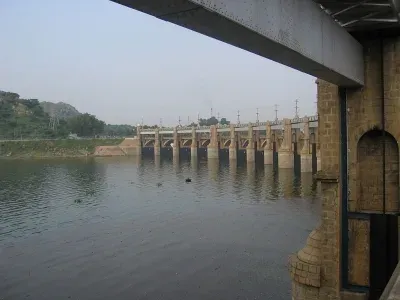
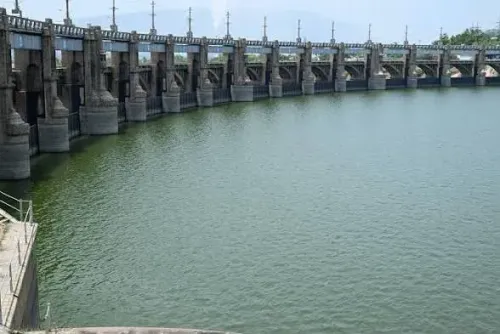
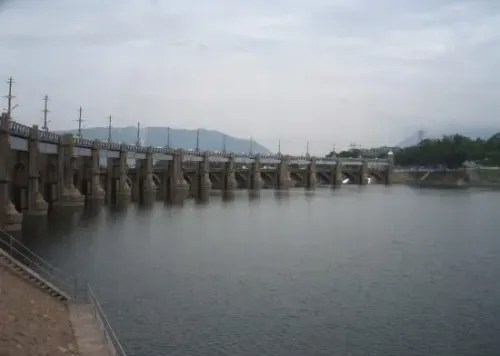
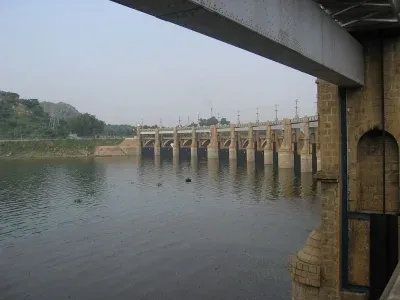
The Mettur reservoir — Tamil Nadu's primary storage point on the Cauvery — held 35.774 tmcft of water as of Saturday, representing 38.27 per cent of its total capacity of 93.470 tmcft. WRD officials said reservoir levels and upstream releases were being closely monitored.
As the monsoon intensifies, the trajectory of water releases from Karnataka's reservoirs will be a critical factor determining agricultural prospects across the Cauvery delta in the weeks ahead.
Point of View
Yet the institutional machinery for timely releases still requires prodding. With Mettur at barely 38% and the delta cropping season approaching, the delay has real agrarian consequences. The deeper question is whether the Cauvery Water Management Authority has enough enforcement teeth, or whether interstate water politics will continue to override its directives each season.
NationPress
16 Sept 2026
Frequently Asked Questions
When will Tamil Nadu receive water from Karnataka's Kabini reservoir?
Tamil Nadu is expected to start receiving the released water by Monday, when it reaches the Biligundlu gauging station on the Karnataka-Tamil Nadu border. The water could then reach the Mettur reservoir by Tuesday or Wednesday, depending on river conditions.
How much water has Karnataka released from Kabini?
Karnataka discharged approximately 12,000 cusecs from the Kabini reservoir after heavy rainfall caused a sharp rise in inflows across the Cauvery catchment areas. The release follows Kabini reaching 82.65% of its 19,516 mcft capacity by 31 July.
Why did Tamil Nadu say Karnataka delayed the release?
Tamil Nadu officials stated that Karnataka had delayed releasing water despite directions from the Cauvery Water Regulation Committee and the Cauvery Water Management Authority. The release came only after sustained rainfall pushed Karnataka's reservoirs close to full storage.
What is the current water level at Mettur reservoir?
As of Saturday, the Mettur reservoir held 35.774 tmcft of water, which is 38.27% of its total capacity of 93.470 tmcft. WRD officials said levels were being closely monitored as upstream releases continue.
How does this affect farmers in the Cauvery delta?
Farmers in the Cauvery delta are closely watching water availability ahead of the cropping season, and any increase in releases from Karnataka is expected to provide critical relief. The timing of water reaching Mettur will directly influence irrigation schedules in the delta region.