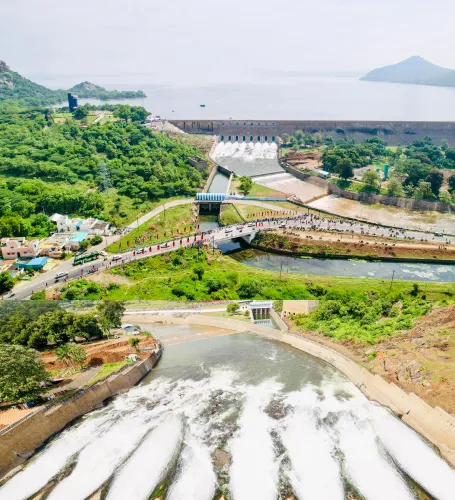
Cauvery inflow surges to 18,000 cusecs at Biligundlu; Mettur Dam set for relief
Synopsis
The Cauvery River's inflow at Biligundlu leapt from 500 cusecs to 18,000 cusecs in a single morning — a 36-fold surge driven by Karnataka releasing over 27,000 cusecs from Kabini and KRS reservoirs. With Mettur Dam sitting at barely 61% of its depth and delta farmers anxiously watching, the next 24 hours could determine the trajectory of the current crop season.
Key Takeaways
Cauvery inflow at Biligundlu surged from 500 cusecs (Monday evening) to 18,000 cusecs by 10 a.m. on Tuesday, 4 August .
Karnataka is releasing more than 27,000 cusecs from the Kabini and Krishna Raja Sagara (KRS) reservoirs due to heavy catchment rainfall.
Mettur Dam water level currently stands at 73.18 feet against a full reservoir level of 120 feet .
The dam is presently receiving only 68 cusecs inflow while releasing 1,500 cusecs downstream.
The surge at Biligundlu is expected to reach Mettur by Tuesday evening or night , sharply boosting reservoir inflow.
Farmers in the Cauvery delta districts of Tamil Nadu stand to benefit if sustained releases continue from Karnataka.
The Cauvery River at Biligundlu — the river's entry point into Tamil Nadu — recorded a sharp surge in flow to 18,000 cusecs on Tuesday morning, 4 August, driven by increased discharge from Karnataka's reservoirs following heavy rainfall across the Cauvery catchment. The sudden spike is expected to boost storage at the Mettur Dam and offer much-needed relief to farmers in the water-stressed Cauvery delta.
How the Inflow Built Up
Officials confirmed that increased releases from Karnataka's Kabini and Krishna Raja Sagara (KRS) reservoirs began arriving at Biligundlu in the early hours of Tuesday. The inflow, which stood at a mere 500 cusecs on Monday evening, climbed to roughly 1,000 cusecs by early Tuesday morning. It then accelerated to 8,000 cusecs by 7 a.m. before more than doubling to 18,000 cusecs by 10 a.m.
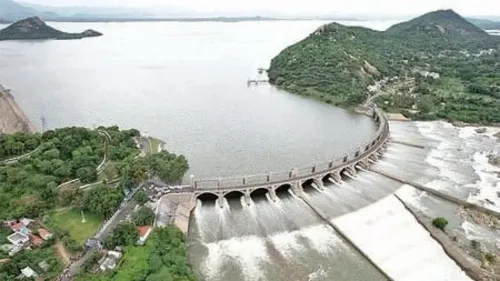
Karnataka is currently releasing more than 27,000 cusecs from the Kabini and KRS reservoirs combined, with continued heavy rainfall in the upstream catchment sustaining the discharge. Officials expect the inflow at Biligundlu to rise further in the hours ahead.
Current Situation at Mettur Dam
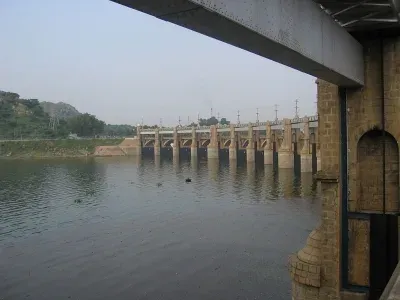
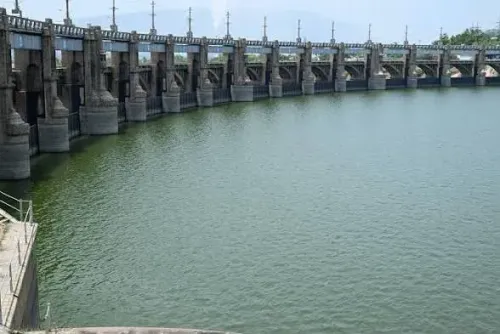
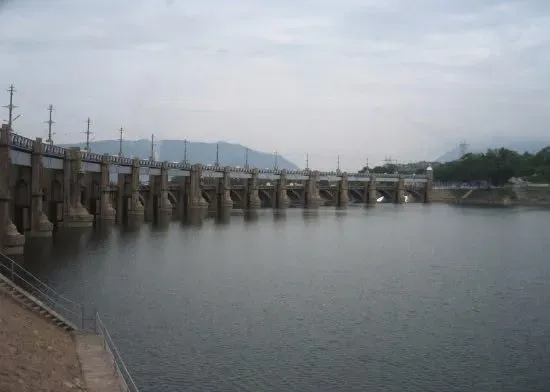
Despite the upstream surge, conditions at the Mettur Dam remain subdued for now. The reservoir's water level stands at 73.18 feet against its full reservoir level of 120 feet. Inflow into the dam is currently just 68 cusecs, while outflow stands at 1,500 cusecs to meet downstream irrigation requirements — meaning the dam is presently drawing down its storage.
Officials expect the fresh surge recorded at Biligundlu to reach Mettur by Tuesday evening or night, at which point inflow into the reservoir is anticipated to rise sharply. The water released at Karnataka's reservoirs travels through Biligundlu before entering the Mettur reservoir, making transit time a key variable.
What It Means for Delta Farmers
The development has renewed hope among farming communities in the Cauvery delta districts of Tamil Nadu, where water availability for cultivation has been a persistent concern this season. Mettur Dam serves as the primary irrigation source for these districts, and its storage level directly governs the quantum of water released into the delta canal network.
Notably, this surge comes at a critical juncture in the agricultural calendar, when delta farmers are preparing for the kuruvai and samba crop seasons. Sustained releases from Karnataka over the coming days could meaningfully improve prospects for the current cultivation cycle.
Monitoring and Outlook
Officials are closely tracking discharge levels from the Kabini and KRS reservoirs as well as inflow readings at both Biligundlu and Mettur. Continued rainfall in the upstream catchment areas of Karnataka is expected to sustain — and potentially strengthen — the flow into Tamil Nadu over the next several days. The situation remains fluid, with authorities on alert for any rapid changes in reservoir levels.
Point of View
But it is a reminder that the interstate water-sharing framework offers no guarantee of timing. Delta farmers have seen this pattern before: a dramatic upstream surge that arrives too late or too briefly to fill the gap. Whether this surge translates into a meaningful crop-season reprieve will depend on whether Karnataka's catchment rainfall holds — and that is a question the monsoon, not any policy, will answer.
NationPress
19 Sept 2026
Frequently Asked Questions
Why did Cauvery inflow at Biligundlu surge on 4 August 2025?
The surge was triggered by heavy rainfall across the Cauvery catchment in Karnataka, which prompted increased discharge from the Kabini and Krishna Raja Sagara (KRS) reservoirs. The combined release of over 27,000 cusecs from these reservoirs caused the inflow at Biligundlu — Tamil Nadu's entry point — to jump from 500 cusecs on Monday evening to 18,000 cusecs by Tuesday morning.
What is the current water level at Mettur Dam?
As of Tuesday, 4 August, Mettur Dam's water level stands at 73.18 feet against its full reservoir level of 120 feet. The dam is currently receiving only 68 cusecs of inflow while releasing 1,500 cusecs downstream, but officials expect the Biligundlu surge to reach the reservoir by Tuesday evening or night.
When will the Cauvery surge reach Mettur Dam?
Officials expect the water that surged through Biligundlu on Tuesday morning to arrive at the Mettur reservoir by Tuesday evening or night. Once it does, inflow into the dam is anticipated to rise sharply from its current level of 68 cusecs.
How does this affect Cauvery delta farmers in Tamil Nadu?
Mettur Dam is the primary irrigation source for the Cauvery delta districts of Tamil Nadu. A significant improvement in its storage levels would allow greater water releases into the delta canal network, directly benefiting farmers preparing for the kuruvai and samba crop seasons amid persistent water availability concerns.
Will the Cauvery inflow continue to rise?
Officials expect the inflow to increase further, as Karnataka is continuing to release more than 27,000 cusecs from the Kabini and KRS reservoirs. Sustained rainfall in the upstream catchment areas could strengthen the flow into Tamil Nadu over the coming days, though authorities are monitoring the situation closely.