Thanjavur paddy farmers face crop loss as power shortage disrupts irrigation
Synopsis
Hundreds of Thanjavur farmers who bet on summer paddy cultivation using groundwater — after Mettur Dam's June release remained unannounced — are now watching their crops wither because three-phase power supply for agricultural motors has become erratic. With investments of up to ₹30,000 per acre and loans at stake, more than 20 villages are in crisis and the Tamil Nadu government faces urgent pressure to act.
Key Takeaways
Farmers in Thanjavur district, Tamil Nadu , face severe crop losses due to irregular three-phase power supply disrupting irrigation for Vasantha (summer) paddy .
More than 20 villages — including Viluthiyur , Irumbuthalai , Manakkudi , and Muniyur — are reportedly affected.
Farmers invested up to ₹30,000 per acre on seeds, fertilisers, and labour; many took loans to fund cultivation.
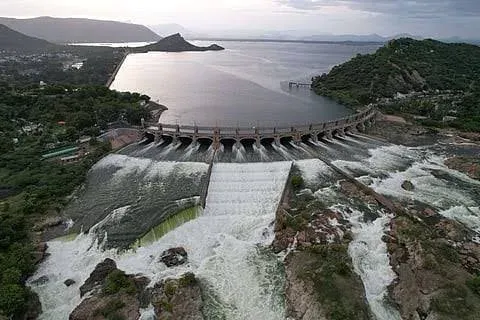
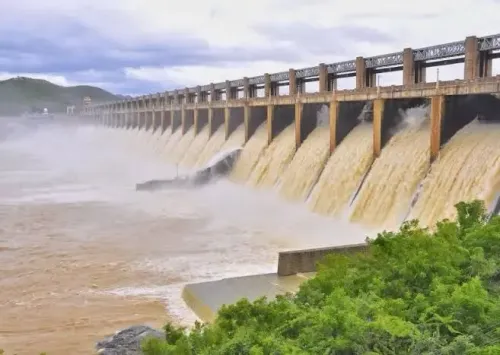
The Tamil Nadu government has not yet announced the customary 12 June release of water from Mettur Dam due to below-requirement storage levels.
Farmers forced onto diesel pump sets face sharply higher costs; small and marginal farmers say they cannot afford the additional expenditure.
Farmers have appealed to the state government and electricity authorities for immediate restoration of adequate three-phase power supply.
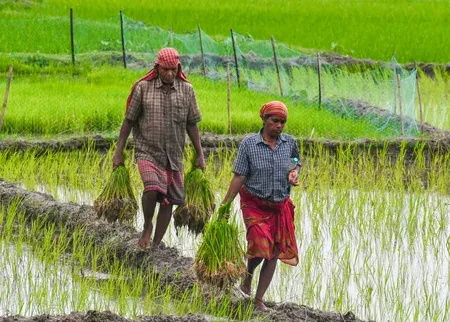
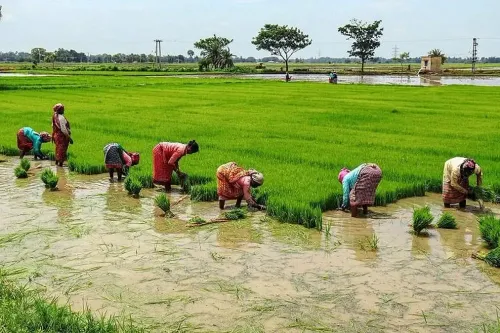
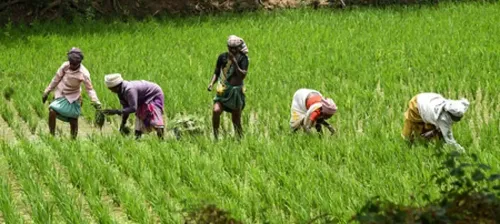
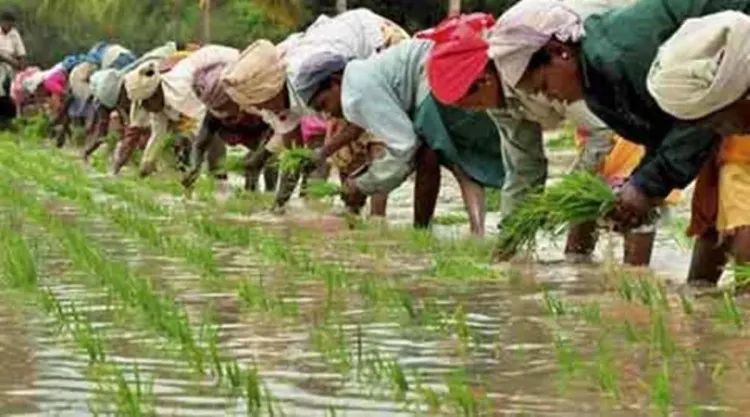
Farmers across Thanjavur district in Tamil Nadu are confronting the threat of severe crop losses as an irregular and inadequate three-phase power supply has crippled irrigation for standing summer paddy (Vasantha paddy) crops, causing fields to crack and crops to wilt under the intense summer heat. The crisis, reported on 10 June, has pushed hundreds of small and marginal farmers — many of whom borrowed money to finance cultivation — to the edge of financial ruin.
Background: Why Farmers Turned to Groundwater
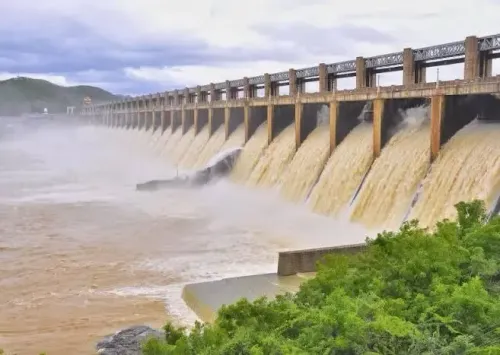
The Cauvery delta region, of which Thanjavur is the heartland, traditionally supports three paddy seasons: Kuruvai, Samba, and Thaladi. Each year, water from Mettur Dam is released around 12 June to kick off Kuruvai cultivation. However, reservoir storage levels this year have remained below the required threshold, and the Tamil Nadu government has not yet announced the customary release date.
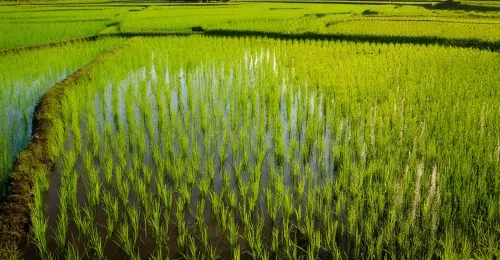
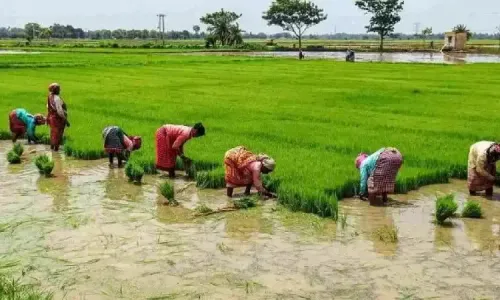
Facing uncertainty over the dam opening, a large number of farmers chose to cultivate Vasantha paddy — the summer crop — using groundwater drawn through borewells and electric pump sets. Many invested up to ₹30,000 per acre on seeds, fertilisers, labour, and other inputs, banking on a steady power supply to sustain irrigation through the critical growth stage.
The Power Crisis and Its Impact on Fields
Farmers allege that the supply of three-phase electricity — indispensable for running agricultural motors — has been erratic and far below what is needed. As irrigation faltered at a pivotal point in the crop cycle, standing paddy has begun to show visible signs of stress and wilting across multiple villages.
More than 20 villages near Thanjavur, including Viluthiyur, Irumbuthalai, Manakkudi, and Muniyur, are reportedly facing severe difficulties. Agricultural fields have started to develop deep cracks under the summer heat, and large stretches of farmland are going without adequate water.
Diesel as a Costly Fallback
In several villages, farmers have been compelled to switch to diesel-powered pump sets to draw groundwater, significantly inflating their cultivation costs. Many small and marginal farmers say they simply cannot absorb the additional diesel expenditure, leaving their crops exposed to moisture stress. This is not a viable long-term substitute — diesel pumping is both costlier and less efficient than electric motor sets designed for sustained agricultural use.
Farmers' Appeal to the Government
Farmers have urgently appealed to the Tamil Nadu government and state electricity authorities to restore an uninterrupted three-phase power supply for agricultural operations without delay. Many had taken loans to finance the current season and now fear they will be unable to recover their investments if the crop fails. They stress that timely intervention is the only way to prevent widespread damage to the standing paddy and protect thousands of farming households from severe financial hardship.
With the Mettur Dam release still uncertain and groundwater irrigation under strain, the fate of this season's Vasantha paddy crop now hinges on how quickly the state acts on the power supply front.
Point of View
And then found the power infrastructure needed to sustain that fallback also unreliable. The state effectively left farmers with no safe option. Tamil Nadu's agricultural power supply has historically been a political flashpoint, yet seasonal preparedness for peak-demand months remains inadequate. If the government does not act before the crop reaches the irreversible stress threshold, the financial damage will fall disproportionately on small and marginal farmers who borrowed to cultivate — a demographic with limited capacity to absorb a total loss.
NationPress
16 Sept 2026
Frequently Asked Questions
Why are Thanjavur farmers facing crop losses?
Farmers in Thanjavur are facing crop losses because irregular three-phase electricity supply has disrupted irrigation for standing summer paddy crops at a critical growth stage. Fields in more than 20 villages are reportedly drying up and crops are wilting due to inadequate water.
What is Vasantha paddy and why did farmers cultivate it this year?
Vasantha paddy is the summer paddy crop cultivated using groundwater resources. Farmers opted for it this year because the Tamil Nadu government had not announced the customary June 12 release of water from Mettur Dam, owing to below-requirement storage levels at the reservoir.
How much have farmers invested in the current crop?
Farmers invested up to ₹30,000 per acre on seeds, fertilisers, labour, and other cultivation expenses. Many took loans to finance the season and now fear they will be unable to recover their investment if the crop fails.
Which villages in Thanjavur are most affected?
More than 20 villages near Thanjavur are reportedly facing severe difficulties, including Viluthiyur, Irumbuthalai, Manakkudi, and Muniyur. Agricultural fields in these areas have begun to crack under summer heat as irrigation has come to a halt.
What are farmers demanding from the government?
Farmers have appealed to the Tamil Nadu government and state electricity authorities to immediately restore an uninterrupted three-phase power supply for agricultural operations. They say timely intervention is essential to save the standing paddy crop and prevent widespread financial hardship.