Thanjavur samba paddy crisis: Farmers plough crops as irrigation fails, seek compensation
Synopsis
In Thanjavur's Cauvery delta, around 1,000 acres of samba paddy have been destroyed by an 81-day gap in dam releases from Mettur reservoir. Farmers are ploughing withered crops back into the soil at their own cost — and have warned of a District Collector's office blockade if the government does not send assessment teams and arrange compensation.
Key Takeaways
Around 1,000 acres of samba paddy in Ranganathapuram and nearby areas near Melattur, Thanjavur have been destroyed by irrigation failure.
Farmers allege water was released from the Mettur reservoir only after an 81-day interval, leaving Cauvery delta crops without adequate supplies.
Groundwater drawn through pump sets was found to be saline and unsuitable for irrigation, removing a key fallback option.
Affected villages reportedly include Melattur, Ranganathapuram, Vilithiyur, and Annappanpettai .
Farmers have warned of a blockade of the District Collector's office if authorities do not inspect damage and provide compensation.
Neither the Agriculture Minister nor officials have visited the affected fields, according to the protesters.
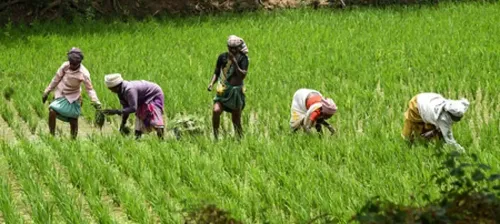
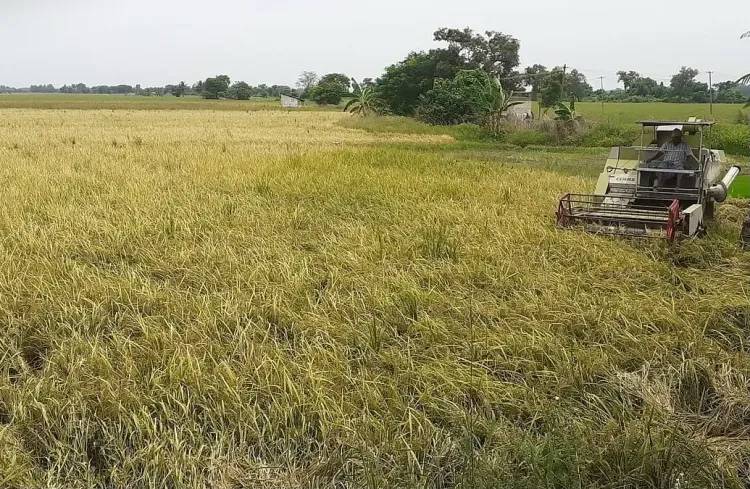
Farmers in Tamil Nadu's Thanjavur district have begun destroying their standing samba paddy crops — ploughing them back into the soil using tractors — after an acute irrigation shortage devastated cultivation across villages near Melattur. The distress has triggered protests and urgent demands for government compensation, with cultivators warning of a siege on the District Collector's office if authorities fail to act.
Scale of the Crop Damage
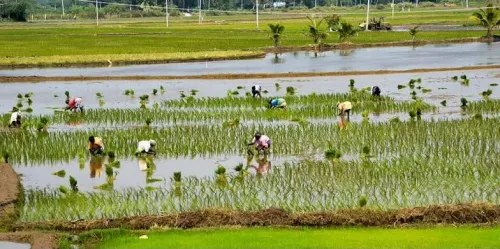
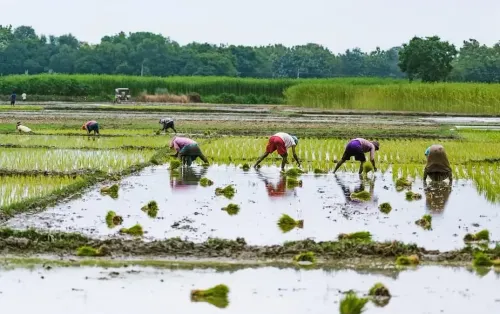
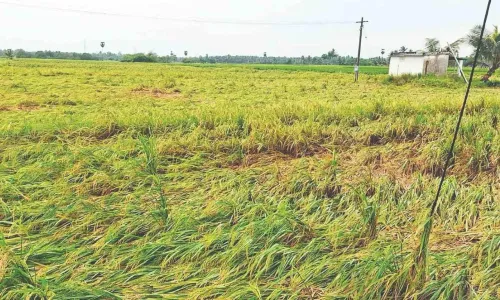
Approximately 1,000 acres of samba paddy under cultivation in Ranganathapuram and adjacent areas near Melattur have been severely affected. Farmers report that crops wilted and dried beyond recovery due to inadequate water supply, leaving cultivators with no viable option but to clear the dead plants mechanically and re-plough their fields at additional expense. According to the protesters, thousands of acres spanning Melattur, Ranganathapuram, Vilithiyur, Annappanpettai and surrounding villages have sustained damage from the prolonged shortage.
What Disrupted Irrigation Supplies
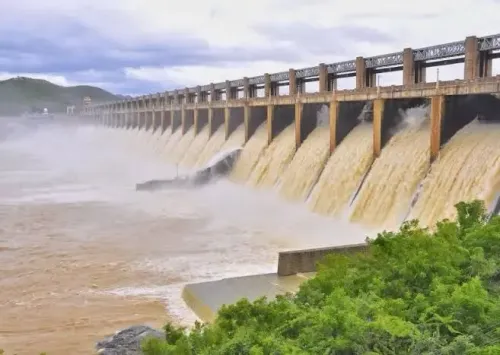
Protesters allege that inadequate storage levels at the Mettur reservoir were the primary cause of the irrigation disruption. Water was reportedly released from the dam only after an interval of 81 days, leaving samba paddy across the Cauvery delta without adequate supplies for an extended period. Groundwater, which farmers might ordinarily use as a backup, offered little relief — water drawn through pump sets was found to be saline and unsuitable for crop irrigation, closing off an important alternative to canal water.
Farmers' Demands and Protest Action
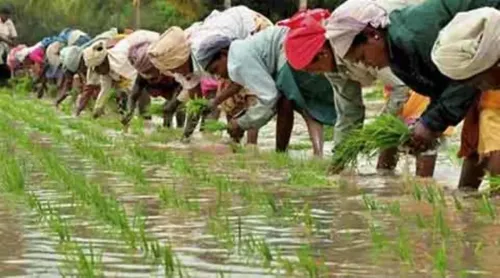
Affected cultivators entered their damaged fields to stage a demonstration, calling on government departments to visit the sites, assess the extent of crop loss, and arrange timely financial relief. The protesters specifically noted that neither the Agriculture Minister nor senior officials had visited the affected areas to inspect the damage. Farmers said the losses represented an entire season's effort — both in labour and input costs — and that they were now bearing additional expenditure to clear and re-plough destroyed fields. Their organisation has warned that a blockade of the District Collector's office will follow unless the authorities conduct a formal inspection and respond to compensation demands.
Broader Context: Cauvery Delta in Distress
This crisis is part of a recurring pattern in the Cauvery delta, where samba paddy cultivation is heavily dependent on regulated releases from the Mettur dam. The region has faced periodic water stress in previous seasons, with farmers frequently citing irregular release schedules and declining reservoir levels as central grievances. The combination of inadequate canal irrigation and saline groundwater creates a compounded vulnerability for cultivators, who have limited fallback options when seasonal supplies fall short. Notably, the absence of an official damage assessment has delayed any relief process, adding administrative delay to an already acute agrarian crisis.
What Happens Next
Farmers have set a clear deadline: unless government teams are deployed to assess crop losses and initiate compensation proceedings, protesters plan to intensify their agitation by blockading the District Collector's office. An official assessment is considered urgently necessary to establish the full scale of the damage and ensure cultivators in the affected villages receive relief before the season's losses compound further.
Point of View
A recurring fault line in Cauvery delta farming. The fact that no minister or senior official visited the fields even as farmers destroyed a full season's standing crop reflects an administrative response gap that is as damaging as the water shortage itself. With saline groundwater making alternative irrigation impossible, affected cultivators had zero buffers — and the absence of a pre-positioned relief framework means distress will deepen before it is formally acknowledged. Unless the state builds more agile damage-assessment and compensation protocols, such seasonal crises will keep triggering protests that are entirely preventable.
NationPress
11 Oct 2026
Frequently Asked Questions
Why are Thanjavur farmers ploughing their samba paddy crops?
Farmers in Thanjavur's Melattur and Ranganathapuram areas are ploughing withered samba paddy back into the soil because an acute irrigation shortage has dried up standing crops beyond recovery. With no viable alternative water source, they are clearing damaged fields at additional cost in the hope of receiving government compensation.
What caused the irrigation failure in the Cauvery delta?
According to the protesting farmers, inadequate storage at the Mettur reservoir led to water being released only after an 81-day gap, depriving samba paddy across the Cauvery delta of timely irrigation. Groundwater was also found to be saline and unsuitable for crop use, leaving cultivators without any fallback supply.
How many acres of samba paddy have been affected in Thanjavur?
Around 1,000 acres under samba cultivation in Ranganathapuram and adjacent areas near Melattur have been directly affected. Farmers allege the damage extends to thousands of additional acres across Melattur, Vilithiyur, Annappanpettai and surrounding villages.
What are the farmers demanding from the government?
Farmers are demanding that government departments send teams to physically inspect the damaged fields, officially record the extent of crop loss, and arrange timely financial compensation. They have threatened to blockade the District Collector's office if these demands are not addressed promptly.
Have government officials visited the affected areas?
According to the protesting farmers, neither the Agriculture Minister nor any senior official had visited the affected fields as of 11 October 2026 to inspect the damage or initiate a formal assessment process.