Samba crop on 11,424 acres in TN's Nagapattinam faces collapse amid Cauvery water crisis
Synopsis
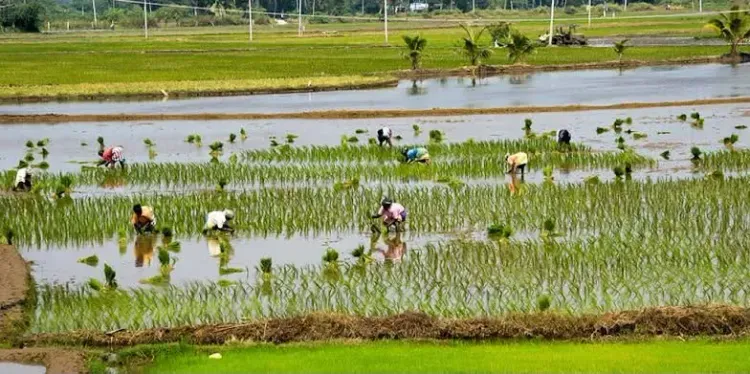
Farmers in Nagapattinam's Thalainayar are watching 11,424 acres of samba paddy wither — seeds sown 20 days ago have dried up, a 700-cusec government release is expected to last barely a day and a half, and the scheduled water period ends in 15 days. After already losing their kuruvai crop, many cultivators borrowed privately to fund this planting; a second consecutive failure could be financially catastrophic.
Key Takeaways
11,424 acres of samba paddy in Thalainayar, Nagapattinam face severe crop loss due to inadequate Cauvery water supply.
Seeds sown 20 days ago have dried up; farmers estimate only 50–60% germination even if water arrives now.
The Mettur dam was opened on 1 September , 81 days after the customary 12 June date, with a 45-day release window — of which only about 15 days remain.
A government release of 700 cusecs from Thattankovil, Tiruvarur is expected to last only about one and a half days , potentially reaching just half the affected acreage.
Farmers had already lost their kuruvai harvest to water shortages and borrowed privately to fund samba cultivation, deepening financial distress.
Farmers allege Village Administrative Officers are blocking Adangal certificate issuance needed for institutional loans until crops visibly grow.
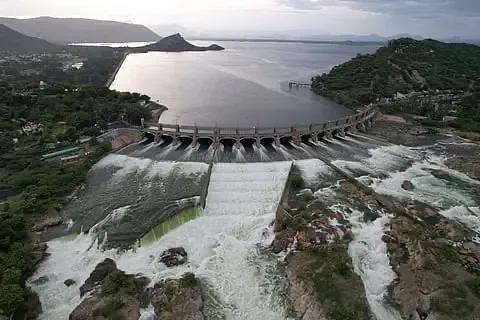
Samba paddy cultivation across 11,424 acres in Tamil Nadu's Thalainayar region of Nagapattinam district is on the brink of failure as acute Cauvery water shortages have left freshly sown seeds parched nearly a month after the Mettur dam was opened, farmers warned on 30 September 2026. The affected fields depend on the Harichandra River, which has received only a trickle of water since the delayed dam release.
Seeds Drying Up, Germination in Doubt
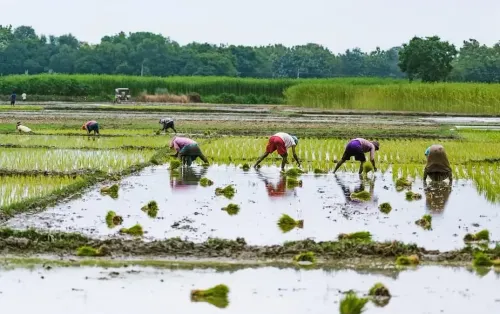
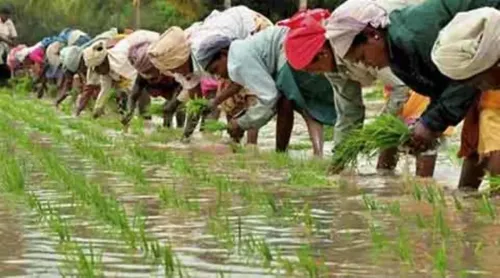
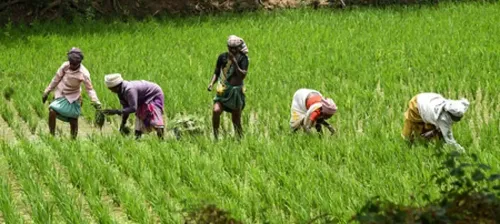
Farmers said seeds sown approximately 20 days ago have been scorched by heat without any irrigation reaching their fields. Even if water arrives now, cultivators expect only 50 to 60 per cent of the sown seeds to germinate and survive. Ramanathan M., who sowed medium-duration paddy varieties on 16 acres, said his fields had dried up entirely and resembled barren land. He added that water had reached rivers serving Thalainayar and Vedaranyam in only small quantities, while several branch canals remained completely dry.
Delayed Dam Opening Compounds the Crisis
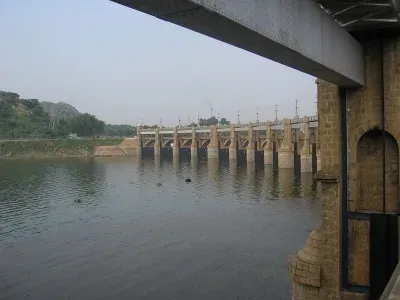
The Mettur dam was opened on 1 September, a full 81 days after the customary date of 12 June — one of the longest delays in recent memory. Following the government's announcement of a 45-day water release period, farmers proceeded with direct sowing of medium-duration samba varieties, even though many considered the promised supply window inadequate for the full crop cycle. With roughly 15 days remaining in the scheduled release period, cultivators fear the window will close before their crop can be saved. Poor rainfall across the district has further aggravated shortages, particularly in tail-end irrigation areas that are the last to receive canal flows. Only a few hundred cusecs are reported to have reached the district, leaving little for Thalainayar's fields.
A Second Consecutive Crop Failure Looms
This is not an isolated crisis — farmers in the region had already lost their kuruvai harvest to water shortages earlier in the year. Having borrowed from private lenders to fund samba cultivation after those earlier losses, many cultivators now face compounding financial distress. They also alleged that accessing institutional credit had become difficult, claiming that Village Administrative Officers were insisting that Adangal certificates — land records needed for loan applications — could only be issued after crops had visibly grown, effectively blocking access to bank and cooperative society loans at the very moment farmers needed them most.
Government Response Falls Short, Farmers Say
Water Resources Department officials stated that around 700 cusecs of water was being released from Thattankovil in Tiruvarur and was expected to reach the Harichandra River by the night of 30 September. However, farmers said officials had acknowledged the supply would last only approximately one and a half days because other channels along the route also require water. Cultivators maintained that such a brief release would irrigate barely half of the cultivated area, leaving thousands of acres exposed to irreversible crop damage. With the scheduled water release period nearing its end, farmers say the window to save the samba crop is rapidly closing.
Point of View
Late dam openings, and below-average rainfall, yet institutional support — credit, compensation, records — arrives too late to matter. The Mettur dam's 81-day delay this season was not unforeseeable; the delta's dependence on a narrow, fixed release window was known. What is missing is a contingency protocol that triggers emergency release or compensation the moment tail-end districts fall below a minimum threshold. Back-to-back kuruvai and samba failures in the same season — financed by private debt — can permanently displace smallholder farmers from cultivation. That is the real risk policymakers have yet to price in.
NationPress
30 Sept 2026
Frequently Asked Questions
Why is the samba crop in Nagapattinam at risk in 2026?
Samba paddy across 11,424 acres in Thalainayar, Nagapattinam is at risk because inadequate Cauvery water has left freshly sown seeds without irrigation for nearly 20 days. The Harichandra River and branch canals serving the area have received only minimal water since the Mettur dam was opened on 1 September.
When was the Mettur dam opened and why was it delayed?
The Mettur dam was opened on 1 September 2026, which was 81 days after the customary date of 12 June. The delay, attributed to poor inflows, compressed the available irrigation window for delta farmers who depend on a fixed seasonal release.
What is the government doing to address the water shortage?
Water Resources Department officials said around 700 cusecs was being released from Thattankovil in Tiruvarur and was expected to reach the Harichandra River by the night of 30 September. However, farmers said officials had indicated the supply would last only about one and a half days, potentially covering only half the affected acreage.
How are farmers financially affected by this crisis?
Many farmers in Thalainayar had already lost their kuruvai harvest to water shortages earlier in the year and borrowed from private lenders to fund samba cultivation. They now face the prospect of a second consecutive crop failure while still in debt, with institutional credit reportedly difficult to access due to disputes over Adangal certificate issuance.
What is an Adangal certificate and why does it matter here?
An Adangal is a land and crop record issued by Village Administrative Officers, typically required by banks and cooperative societies to process agricultural loans. Farmers allege that officers are refusing to issue these certificates until crops have visibly grown, effectively blocking emergency credit access at the moment of greatest need.