Samba paddy crisis: Flooded fields in Thanjavur, Tiruvarur threaten TN delta farmers
Synopsis
After a delayed sowing season caused by too little water, delta farmers in Thanjavur and Tiruvarur now face the opposite crisis: thousands of acres of samba paddy submerged for over four days because silted-up drainage canals cannot carry the northeast monsoon rains away. With ₹20,000 per acre invested and a 48-hour window before root rot sets in, farmers say administrative inaction could turn a manageable flood into a full crop wipeout.
Key Takeaways
Thousands of acres of samba paddy fields in Thanjavur and Tiruvarur districts are submerged due to persistent northeast monsoon rains and blocked drainage canals.
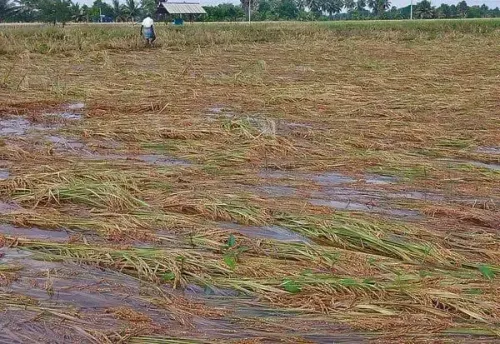
Water has been stagnating in several fields for more than four days ; farmers warn 48 more hours could cause irreversible root rot.
Affected areas include Kudavasal , Asoor , Melapalayur , Ogai in Tiruvarur and Vilangudi , Villiyanallur , Semmangudi , Tenkaichi in Thanjavur.
Farmers have already spent at least ₹20,000 per acre ; the season was earlier disrupted by a water shortage that delayed sowing by several weeks.
Cultivators are demanding immediate deployment of heavy machinery to clear silted outlets and long-term comprehensive desilting of the delta's drainage network.
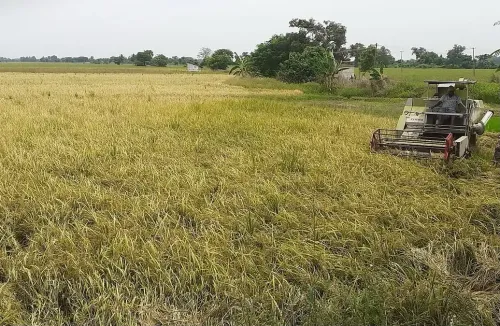
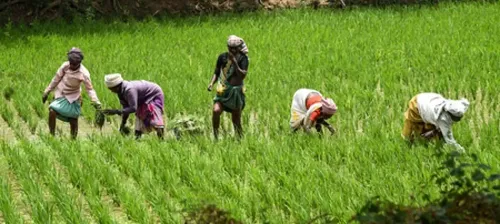
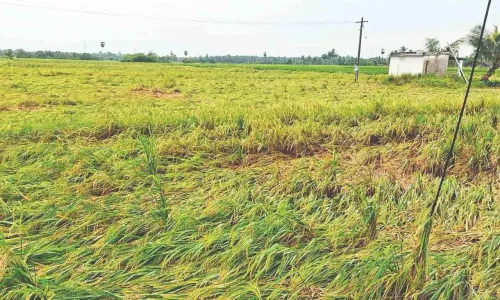
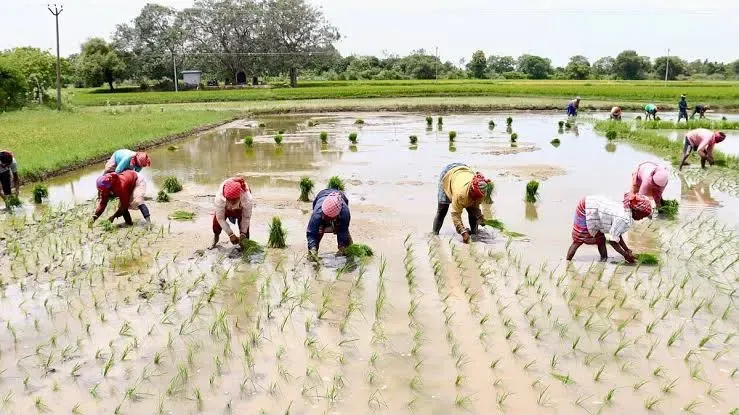
Thousands of acres of samba paddy fields across Thanjavur and Tiruvarur districts in Tamil Nadu are submerged under stagnant rainwater, with farmers warning that continued inundation over the next 48 hours could cause irreversible root rot and wipe out an investment of at least ₹20,000 per acre. Blocked drainage canals and uncleared silt, cultivators say, have prevented the northeast monsoon rains from draining away, leaving young seedlings at severe risk.
Extent of the Crisis
In Tiruvarur district, the worst-affected areas include Kudavasal, Asoor, Melapalayur, and Ogai. Waterlogging has similarly gripped paddy fields at Vilangudi, Villiyanallur, Semmangudi, and Tenkaichi in Thanjavur district. According to farmers, water has been stagnating in several fields for more than four days, and the situation shows no sign of easing without intervention.
A Season of Back-to-Back Setbacks
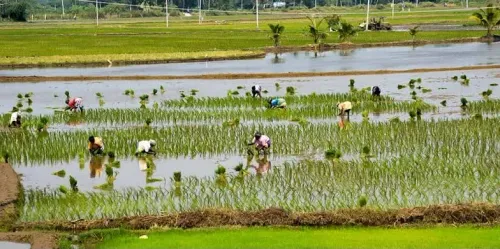
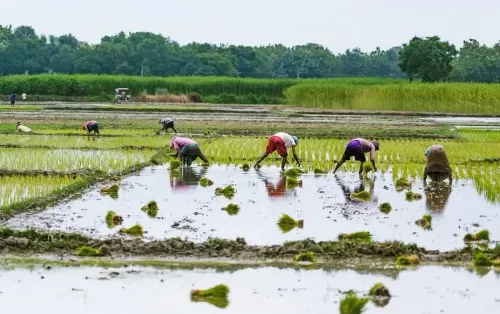
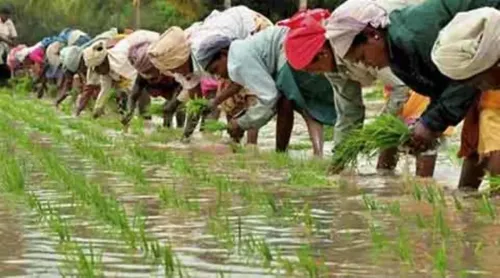
The current crisis is the second blow to delta farmers this season. Earlier, insufficient river water forced cultivators to postpone samba sowing by several weeks. Growers who had invested in borewell irrigation pushed ahead and planted their crop despite uncertainty — only to find their newly established seedlings threatened by the very opposite problem: excess water with nowhere to go.
Farmers attribute the persistent waterlogging primarily to neglected outlet canals choked with silt and debris, which have blocked the natural discharge of incoming rainwater. This, they argue, is not an act of nature alone but a failure of infrastructure maintenance.
What Farmers Are Demanding
Cultivators have appealed to district authorities to deploy heavy machinery without delay to clear clogged drainage outlets and restore the flow of water through the canal network. They stressed that the next two days are critical — any further delay risks destroying the standing crop entirely.
Beyond immediate relief, farmers are demanding comprehensive desilting and systematic upkeep of drainage canals across the region, warning that clearing individual blockages will offer only temporary respite unless the wider network is restored to full capacity before the remainder of the northeast monsoon season.
The Structural Paradox of Delta Agriculture
The situation throws into sharp relief the dual vulnerability of the Cauvery delta farming belt. At the start of the season, farmers struggled to access enough irrigation water to sow on time. Weeks later, those same fields are drowning in rainwater they cannot drain. Critics argue this reflects years of under-investment in both irrigation supply infrastructure and drainage maintenance — a cycle that repeats with each monsoon.
With agricultural expenditure already committed and the crop at a vulnerable growth stage, farmers say swift administrative action is the only thing that can prevent large-scale losses from compounding an already difficult year.
Point of View
Delta farmers will keep bearing the cost of institutional neglect.
NationPress
27 Oct 2026
Frequently Asked Questions
Why are samba paddy fields in Thanjavur and Tiruvarur flooded?
Persistent northeast monsoon rainfall has inundated thousands of acres of samba paddy fields because drainage outlet canals are blocked by silt and debris, preventing rainwater from being discharged. Farmers say water has been standing in several fields for more than four days as a result.
How much financial loss are farmers facing?
Cultivators say they have already invested at least ₹20,000 per acre in the current samba crop. If drainage is not restored within the next 48 hours, farmers warn that root rot could destroy the standing crop entirely, resulting in substantial losses across thousands of acres.
Which specific areas are worst affected?
In Tiruvarur district, the affected areas include Kudavasal, Asoor, Melapalayur, and Ogai. In Thanjavur district, waterlogged areas include Vilangudi, Villiyanallur, Semmangudi, and Tenkaichi.
What are farmers demanding from the authorities?
Farmers are demanding the immediate deployment of heavy machinery to clear clogged drainage outlets and drain the submerged fields. Beyond emergency relief, they are also calling for comprehensive desilting and regular maintenance of the entire drainage canal network to prevent flooding during future monsoon spells.
How does this crisis connect to the earlier sowing delay this season?
Earlier in the cultivation season, inadequate river water supply forced delta farmers to postpone samba sowing by several weeks. Growers who subsequently planted using borewell irrigation are now the same cultivators whose fields are flooded, highlighting the dual vulnerability of the Cauvery delta belt to both water scarcity and waterlogging within a single growing season.