Kerala Home Minister launches HM Acts, HOMeS to track complaints and crime
Synopsis
Kerala has rolled out two in-house police tech platforms — HM Acts for complaint tracking and HOMeS for real-time crime alerts — built by the Kerala Police's own digital wing at zero additional cost. The launch signals a quiet but substantive shift toward data-driven accountability in one of India's more reform-minded state police forces.
Key Takeaways
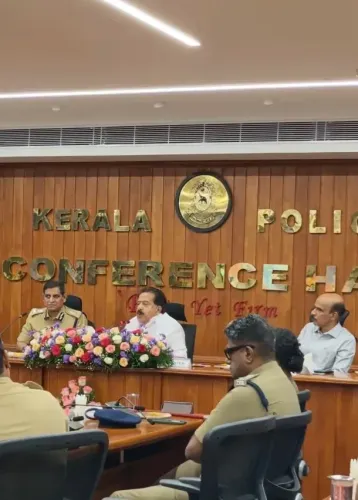
Kerala Home Minister Ramesh Chennithala launched HM Acts and HOMeS at the Police Headquarters, Thiruvananthapuram on 3 November .
HM Acts digitally tracks complaints received by the minister and routes them across the police hierarchy from Civil Police Officers to the State Police Chief .
HOMeS provides a real-time dashboard of major crimes and urgent offence alerts for the Home Minister and Home Department.
Both platforms were developed by iCoPS , the Kerala Police's digital wing, at no additional financial cost .
The government aims to raise women's representation in the police force to 30 per cent , from the current 1:9 ratio.
Phase two of Operation Toofan is underway with local bodies, alongside planned school and college awareness drives on child safety.
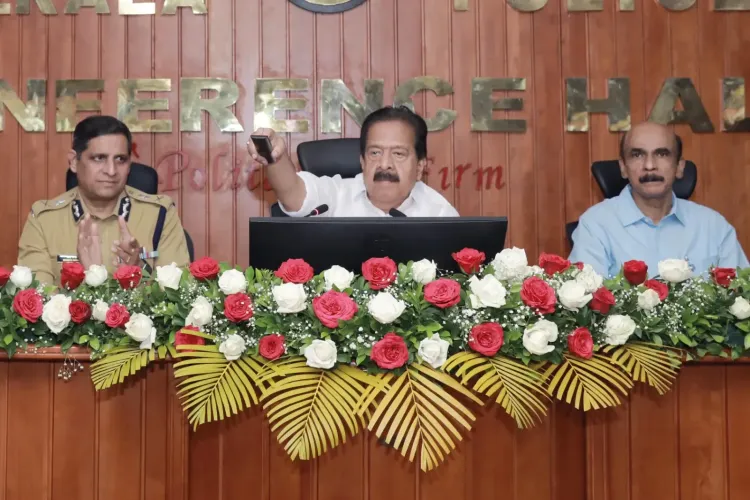
Kerala Home Minister Ramesh Chennithala on Tuesday, 3 November launched two digital platforms — HM Acts and HOMeS — at the Police Headquarters in Thiruvananthapuram, aimed at ensuring time-bound redressal of public complaints and providing real-time crime monitoring across the state. The initiative marks a significant step toward data-driven governance in Kerala's law enforcement ecosystem.
What HM Acts and HOMeS Do
HM Acts is a complaint-tracking platform designed to digitally register petitions and grievances received directly by the Home Minister and route them to the appropriate police officers for action. Complainants will receive updates on the steps initiated, and the system's progress can be monitored across the entire police hierarchy — from Civil Police Officers to the State Police Chief.
The second platform, HOMeS, equips the Home Minister and the Home Department with a dedicated dashboard displaying real-time data on major crimes and automated alerts on offences requiring urgent attention. Chennithala clarified that the system would access crime-related data 'without interfering in ongoing investigations,' and that confidential and personal information would remain protected.
Built In-House, Zero Additional Cost
Both platforms were developed by iCoPS, the digital wing of the Kerala Police. Notably, the minister stated that the projects were implemented without any additional financial expenditure — a claim that, if accurate, sets a cost-efficient benchmark for similar state-level digital governance initiatives. The software development reflects a growing trend of police forces building internal technology capabilities rather than outsourcing to private vendors.
Broader Policing Reforms on the Agenda
Beyond the two platforms, Chennithala outlined several reform measures during the launch event. The government is targeting an increase in women's representation in the police force to 30 per cent, up from the current ratio of 1:9 to a proposed 3:7. The minister also referenced the 'My Police Station' initiative, under which the government has engaged with approximately 5,000 police personnel to understand workplace concerns and reduce occupational stress.
On child safety, the second phase of Operation Toofan is being implemented in coordination with local bodies, while awareness programmes targeting schools and colleges are being planned in association with the Indian Medical Association and psychologists. The government has also sought additional police posts to address staffing gaps.
Policy Direction: People-Friendly Policing
Chennithala framed the digital rollout within a wider policing philosophy, stating that the government's policy was 'to stand with ordinary people, the poor and victims of crime.' The emphasis on grievance tracking and real-time crime data suggests a dual focus — accountability upward to the minister and responsiveness outward to citizens. This comes amid broader national conversations about police modernisation and citizen-facing digital services at the state level.
With both platforms now live, the next phase will test whether the digital infrastructure translates into measurable improvements in response times and grievance closure rates.
Point of View
But the harder question is whether digital complaint routing translates into faster closure on the ground — something no dashboard can guarantee. Kerala's police modernisation record is mixed: ambitions around women's representation and citizen-friendly policing have been stated before without commensurate structural change. The zero-cost claim deserves scrutiny too; in-house development carries opportunity costs and long-term maintenance liabilities that are rarely accounted for upfront. The real measure of these platforms will come six months from now, when grievance closure rates and crime response times can be independently evaluated.
NationPress
3 Nov 2026
Frequently Asked Questions
What are HM Acts and HOMeS launched by Kerala's Home Minister?
HM Acts is a digital complaint-tracking platform that registers petitions received by the Home Minister and routes them to the relevant police officers for time-bound action. HOMeS is a real-time crime monitoring dashboard that provides the Home Minister and Home Department with data on major crimes and urgent offence alerts.
Who developed the HM Acts and HOMeS platforms?
Both platforms were developed by iCoPS, the digital wing of the Kerala Police. The minister stated the software was built without any additional financial expenditure.
How does the HM Acts platform work for complainants?
Complaints are registered digitally and tracked as they move through the police hierarchy, from Civil Police Officers up to the State Police Chief. Complainants are kept informed about the action taken on their grievances.
What is Kerala's target for women's representation in the police force?
The Kerala government aims to increase women's representation in the police force to 30 per cent, improving the existing ratio from 1:9 to 3:7, according to Home Minister Ramesh Chennithala.
What is Operation Toofan and how does it relate to this launch?
Operation Toofan is a Kerala Police initiative focused on preventing crimes involving children. Its second phase is being implemented in coordination with local bodies, and awareness programmes in schools and colleges are being planned alongside the Indian Medical Association and psychologists.