Ramaswamy Vows Ohio's Biggest-Ever Property Tax Cut
Synopsis
Vivek Ramaswamy, entrepreneur and former DOGE co-lead, has pledged to deliver the largest property tax cut in Ohio's history, arguing current tax levels are far too high. The announcement marks a defining economic commitment in his Ohio political campaign, with details of a legislative mechanism yet to follow.
Key Takeaways
Entrepreneur Vivek Ramaswamy announced on June 30, 2026 a pledge to deliver the biggest property tax cut in Ohio history.
Ramaswamy described current Ohio property tax levels as 'way too high,' framing relief as an urgent priority.
No specific dollar figure, legislative vehicle, or timeline was provided in the announcement.
Ohio property taxes are administered at the county level; a state-level cut would require action by the Ohio General Assembly .
The pledge aligns with Ramaswamy's broader fiscal-efficiency brand, developed during his co-leadership of the federal DOGE advisory effort.
Local school districts, which rely heavily on property tax revenue, would face significant fiscal trade-offs if a large cut is enacted.
Entrepreneur and politician Vivek Ramaswamy declared on Monday, June 30, 2026 that property taxes in Ohio have risen to unacceptable levels and pledged to deliver the largest property tax reduction in the state's history. The announcement, made via a post on X, signals a sharp focus on household cost relief as a central plank of his political agenda in Ohio.
Context
Ramaswamy, best known nationally as the founder and executive chairman of Strive Asset Management and a former candidate in the 2024 Republican presidential primary, has increasingly directed his political energy toward Ohio following his departure from the federal Department of Government Efficiency (DOGE) advisory effort. His post states plainly: 'Property taxes have gotten way too high and we're going to deliver the biggest property tax cut that Ohio has ever seen.' The statement is unambiguous in scope and ambition, though no legislative mechanism or timeline was specified in the post.
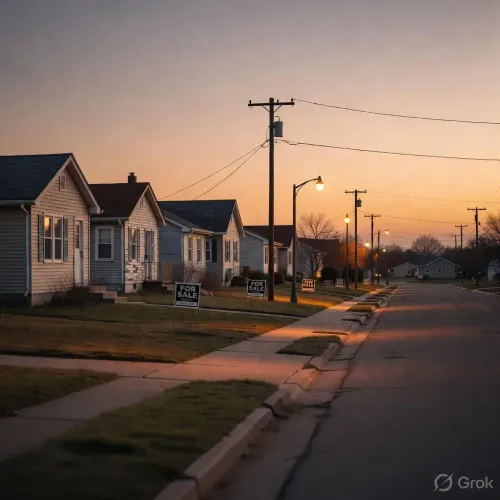
Property tax burdens have emerged as a flashpoint across multiple US states in recent years, driven by surging home valuations that have pushed assessed values — and therefore annual tax bills — sharply higher even for long-time homeowners on fixed incomes. Ohio has not been immune to this trend, with county auditors in several jurisdictions completing reappraisals that produced double-digit percentage increases in residential assessments.
Policy Backdrop
Ohio's property tax system is administered at the county level, with millage rates set by local governments, school districts, and special levies approved by voters. State-level intervention typically takes the form of homestead exemptions, rollback credits, or caps on year-over-year assessment growth. Any pledge to deliver a record-breaking cut would therefore require either substantial new state subsidies to offset local revenue, statutory limits on assessment increases, or a restructuring of the millage framework — each of which involves the Ohio General Assembly.
Ramaswamy's background as a fiscal-efficiency advocate — forged during his time co-leading the DOGE advisory effort under the second Trump administration — positions him as a candidate who frames government cost reduction as both an economic and a moral imperative. A property tax pledge fits naturally within that narrative, translating federal efficiency rhetoric into a tangible, kitchen-table issue for Ohio voters.
Stakeholders and Impact
Homeowners, particularly seniors and middle-income families in suburban counties such as Franklin, Cuyahoga, Hamilton, and Summit, stand to be the most direct beneficiaries if such a cut were enacted. Local school districts, which depend heavily on property tax revenue, would face the steepest trade-offs, as any meaningful reduction in the tax base would require backfill funding from the state or cuts to district budgets.
Business property owners and landlords would also be affected, with potential downstream effects on commercial real estate valuations and rental pricing. Fiscal watchdog groups are likely to scrutinise the revenue implications closely, given Ohio's existing obligations to fund public education and infrastructure through property-linked revenues.
What's Next
Ramaswamy has not yet outlined a specific legislative proposal, a dollar figure for the proposed cut, or a timeline for introduction. The pledge is widely read as a defining campaign commitment, suggesting he intends to make property tax relief the signature economic promise of his political campaign in Ohio. Observers will watch for follow-up policy details, endorsements from sitting Ohio legislators, and any formal bill language that translates this broad commitment into actionable law. If Ramaswamy advances a concrete proposal, it would set up a significant debate in Columbus over how to balance homeowner relief with the fiscal needs of local governments and school systems across the state.
Point of View
He is attempting to translate abstract government-efficiency arguments into a concrete, voter-legible promise. The pledge, however, carries inherent tension: deep property tax cuts in Ohio would strain school district finances, forcing him to eventually answer how he reconciles fiscal conservatism at the state level with the revenue needs of local public services. How he fills in the policy details will determine whether this becomes a durable campaign asset or an early liability.
NationPress
29 Sept 2026
Frequently Asked Questions
What did Vivek Ramaswamy say about Ohio property taxes?
Ramaswamy stated on June 30, 2026 that property taxes have gotten 'way too high' and pledged to deliver the biggest property tax cut in Ohio's history.
Is Vivek Ramaswamy running for office in Ohio?
Ramaswamy has been signalling political ambitions in Ohio following his departure from the federal DOGE advisory effort, and this property tax pledge is widely seen as a key campaign commitment, though he has not formally announced a specific race in this post.
How does Ohio's property tax system work?
Ohio property taxes are set and collected at the county level, with millage rates determined by local governments, school districts, and voter-approved levies. State intervention typically involves exemptions, credits, or assessment caps rather than direct rate-setting.
What is Vivek Ramaswamy's connection to DOGE?
Ramaswamy served as co-lead of the Department of Government Efficiency advisory effort under the second Trump administration before returning his focus to Ohio-level politics.
Who would benefit most from an Ohio property tax cut?
Homeowners — particularly seniors and middle-income families in suburban counties — would be the most direct beneficiaries, while local school districts that depend on property tax revenue would face the steepest fiscal trade-offs.