White House Claims Zero Illegal Aliens Released Under Current Admin
Synopsis
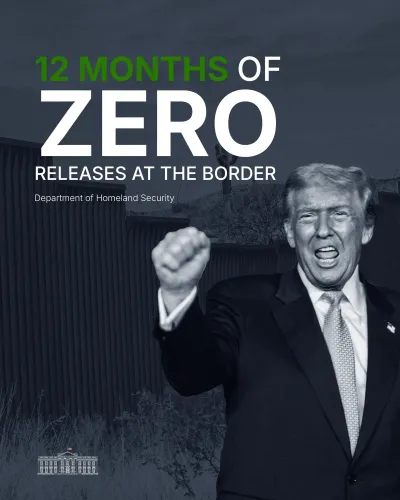
The White House declared on 17 July 2026 that zero undocumented individuals have been released into the United States under the current administration, framing it as a core enforcement achievement. The post also confirmed the White House Press Secretary's return to active duty.
Key Takeaways
The White House posted on 17 July 2026 claiming zero undocumented migrants have been released into the US under the current administration.
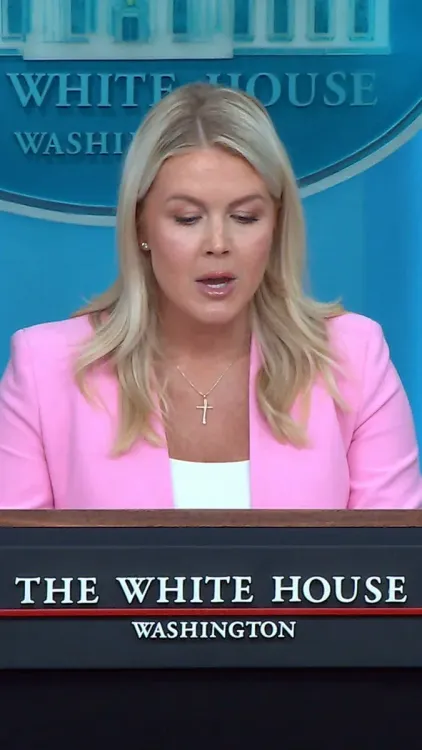
The post simultaneously announced the return of the White House Press Secretary to active briefings.
The claim signals a complete halt to 'catch-and-release', a practice where migrants were freed pending immigration court hearings.
The Migrant Protection Protocols of 2019 established a precedent for requiring asylum claimants to wait in Mexico rather than be released inside the US.
Sustaining a zero-release policy depends on detention capacity, legal authority, and cooperation with Mexico — all historically contested areas.
Congressional action on border funding and asylum reform in the next legislative session will test whether the policy can be maintained.
The White House, the official communications account of the Executive Office of the President of the United States, posted a stark immigration enforcement claim on Thursday, 17 July 2026, asserting that not a single undocumented individual has been released into the country under the current administration. The post also announced the return of the White House Press Secretary to active duty.
Context
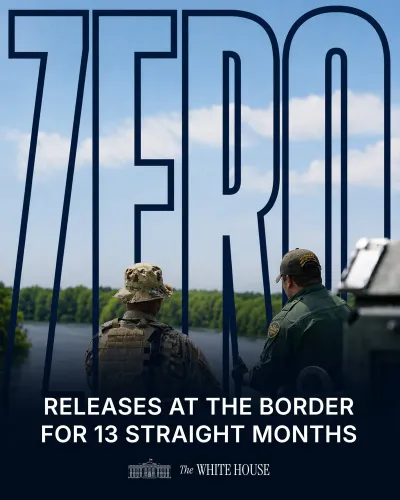
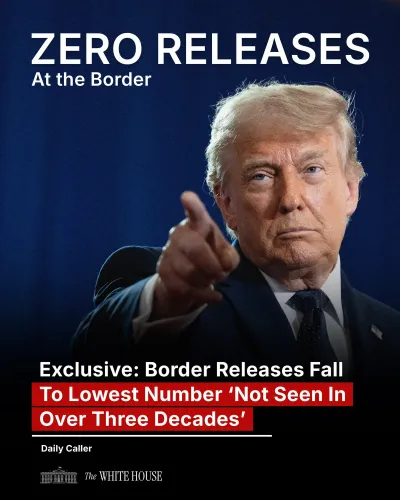
The post, published in the early hours of 17 July 2026 (IST), reads: 'ZERO ILLEGAL ALIENS RELEASED INTO THE UNITED STATES BY THIS ADMINISTRATION. @PressSec is back.' The capitalised declaration is a direct assertion of a complete halt to what is commonly called 'catch-and-release' — the practice of temporarily freeing undocumented migrants while their immigration cases proceed through the courts. The White House framed this as a signature enforcement achievement.
The simultaneous announcement of the Press Secretary's return signals a resumption of regular White House media briefings, which serve as the primary channel through which the administration communicates its policy positions to the press and, by extension, to the public.
Policy Backdrop
U.S. administrations have long alternated between expanded humanitarian parole and stricter detention or expulsion approaches at the southwest border. The Migrant Protection Protocols, first introduced in 2019, required many asylum claimants to await their court hearings in Mexico rather than inside the United States — a model that significantly curtailed releases into the country. The current administration's claim echoes that enforcement philosophy.
Detention capacity, cooperation agreements with Mexico and Central American nations, and the legal framework governing asylum claims have all been recurring flashpoints in Washington. Any policy of zero releases would require sustained funding for detention facilities, active coordination with border patrol agents, and legal authority to hold or rapidly expel all apprehended individuals — each of which has historically faced judicial and legislative challenges.
Stakeholders and Impact
Border Patrol agents are the primary operational arm of such a policy, responsible for apprehending, processing, and either detaining or transferring individuals crossing the border without authorisation. A zero-release posture substantially increases the operational and logistical burden on detention infrastructure.
Asylum claimants — including families and unaccompanied minors — are the most directly affected population. Advocacy groups have consistently argued that prolonged detention pending hearings raises due-process and humanitarian concerns, while enforcement-focused policymakers contend that release incentivises irregular migration. The administration's post does not address the legal status of those currently in detention or the pace of immigration court proceedings.
What's Next
Congressional action on border funding bills and proposed asylum reforms in the next legislative session will be closely watched as a test of whether the administration can sustain this posture. Detention capacity is finite, and any surge in border crossings would stress the system underpinning the zero-release claim.
The return of the Press Secretary is expected to bring more structured daily briefings, giving journalists — and foreign governments, including India, which tracks U.S. immigration policy for its diaspora — a clearer window into the administration's evolving border strategy. How the administration responds to any legal challenges to blanket detention will be a defining test of the policy's durability.
Point of View
A framing that has historically been difficult to sustain given fluctuating border crossings and judicial constraints on indefinite detention. The simultaneous return of the Press Secretary suggests the administration is entering a more assertive communications phase, likely ahead of a legislative push on border funding. For India, which has a significant undocumented population in the US, the signal is clear: the enforcement posture is unlikely to soften in the near term.
NationPress
17 Jul 2026
Frequently Asked Questions
What does 'zero illegal aliens released' mean in US immigration policy?
It means the current administration claims it has not used 'catch-and-release' — the practice of freeing undocumented migrants while their immigration court cases are pending. Instead, individuals apprehended at the border are either detained or expelled.
Who is the White House Press Secretary and why does their return matter?
The White House Press Secretary is the primary spokesperson for the Executive Office of the President, conducting media briefings on administration policies. Their return signals a resumption of structured press engagement after an apparent absence.
What were the Migrant Protection Protocols?
The Migrant Protection Protocols , launched in 2019 , required many asylum seekers to wait in Mexico for their US immigration hearings rather than being released inside the United States. They were a key tool in reducing releases during the first Trump term.
How does the US zero-release immigration policy affect Indians in America?
India has one of the largest undocumented immigrant populations in the United States. A strict zero-release, high-detention policy increases the risk of prolonged detention for undocumented Indians apprehended at or within the border, with fewer opportunities for supervised release pending hearings.
Can the US government legally detain all undocumented migrants without release?
US law and court rulings place limits on prolonged civil immigration detention. Sustaining a zero-release policy requires sufficient detention capacity and the ability to withstand legal challenges, both of which have historically constrained blanket detention efforts.