Indian Economy Shows Strong Resilience Amid Global Turmoil: RBI Insights
Synopsis
Despite rising global tensions and trade investigations, the latest RBI bulletin highlights the impressive resilience of India's economy, with strong indicators pointing towards growth and stability in various sectors.
Key Takeaways
Indian economy's resilience highlighted in RBI bulletin.
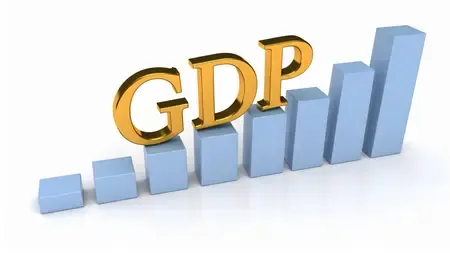
GDP growth projected at 7.8% for Q3:2025-26.
Increased domestic demand supported by lower taxes.
Energy security measures include diversification of oil sources.
Economic Stabilisation Fund proposed for fiscal flexibility.
Mumbai, March 23 (NationPress) The latest GDP advance estimates for 2025–26 showcase the Indian economy's robust resilience, even amidst the escalating turmoil in the Middle East and new trade inquiries from the US, as detailed in the RBI’s monthly bulletin published on Monday.
Indicators of economic activity suggest that India's economy is gaining traction as of February. The Consumer Price Index (CPI) experienced an uptick due to rising food and beverage prices. System liquidity remains stable, and the total financial resources flowing to the commercial sector have increased, with financing rising from both banking and non-banking sources. Additionally, India's foreign exchange reserves are sufficiently robust to buffer against external shocks, according to the bulletin.
The ongoing conflict in the Middle East and US investigations into the trade practices of significant partners have injected uncertainties concerning global energy security, US import tariffs, and global supply chains. A prolonged conflict would negatively impact the global outlook, which was already unstable prior to these developments, the bulletin noted.
Given India's reliance on crude oil imports, the evolving situation necessitates close observation and proactive strategies to mitigate adverse effects. However, it is commendable that the Indian economy has developed a stronger capacity to absorb external shocks over time, supported by solid growth, robust macroeconomic fundamentals, and strong external sector buffers, as highlighted by the RBI bulletin.
The report also emphasizes that in the realm of energy security, India has successfully diversified its sources of crude oil imports and enhanced its domestic refining capabilities. Since the outbreak of conflict, various policy measures have been introduced to mitigate the immediate impacts of disruptions in global fuel supply chains and improve the effective utilization of domestic capacity.
The establishment of an Economic Stabilisation Fund would provide additional fiscal flexibility to address global challenges proactively, according to the bulletin.
The second advance GDP estimates for 2025-26, with the new base year set at 2022-23, indicate ongoing resilience in the Indian economy. This growth is fueled by strong domestic demand, with private final consumption expenditure and investment activity remaining vigorous. The quarterly growth was reported at an impressive 7.8 percent in Q3:2025-26.
High frequency indicators point towards a surge in economic activity in February. Both urban and rural markets have bolstered demand, supported by reductions in income tax and GST rates, cash flows from the kharif harvest, and the wedding season. Retail sales of two-wheelers, passenger vehicles, and tractors reached record highs for February. Agriculture remains strong, with foodgrain production projected at a record level for 2025-26 in the second advance estimates.
The bulletin observed that global uncertainty, which had declined for four consecutive months, rose again in February due to intensified geopolitical tensions in the Middle East, leading to major disruptions in crucial oil infrastructure and energy corridors from the closure of the Strait of Hormuz. Concurrently, the US administration initiated new investigations into the trade practices of key trading partners, contributing to increased volatility across various commodity and financial markets.
Global commodity markets faced severe pressure due to supply disruptions affecting the trade of oil, natural gas, and fertilizers. The International Energy Agency classified this as “the largest supply disruption in the history of the global oil market.” Brent crude prices exhibited significant volatility, fluctuating between $78 and $112.2 per barrel in March.
In addition to fuel and LNG markets, crucial industrial inputs like aluminum and urea have also been negatively impacted.
The repercussions of the energy crisis have quickly permeated financial markets. Equity markets faced selling pressure in March, with a more pronounced decline in energy-importing nations, particularly in Europe and Asia. Bond markets adjusted, leading to an increase in US sovereign yields. Emerging market currencies experienced pressure amid rising risk aversion, while the US dollar strengthened due to safe-haven demand. In this uncertain environment, major central banks maintained their policy rates during February and March, as noted in the RBI bulletin.
Point of View
It's crucial to recognize the impressive resilience of the Indian economy amid global volatility. The RBI's insights underscore a robust domestic demand and proactive measures that are essential for stability in challenging times.
NationPress
23 Sept 2026
Frequently Asked Questions
What is the current GDP growth estimate for India?
The second advance estimates for 2025-26 indicate a growth of 7.8 percent in Q3.
How is India addressing global energy security?
India has diversified its crude oil import sources and enhanced domestic refining capacity to mitigate disruptions.
What are the implications of the Middle Eastern conflict on India?
The conflict poses risks to global energy security and could affect India's crude oil imports.
What measures are being taken to stabilize the economy?
The creation of an Economic Stabilisation Fund aims to provide fiscal room for responding to global challenges.
How has inflation affected the Indian economy?
CPI headline inflation increased in February, primarily due to rising food and beverage prices.