Escalating Tensions Threaten Chinese Investments in Iran
Synopsis
As tensions soar in West Asia, China's ambitious investments in Iranian infrastructure face daunting risks. This article explores the implications of the ongoing conflict and its strategic consequences for Beijing.
Key Takeaways
Chinese Belt and Road projects in Iran are at risk due to escalating tensions.
China's strategic vision for a secure energy corridor is now uncertain.
Potential regime change in Iran could jeopardize trade routes.
China's reputation as a reliable ally is under scrutiny.
Prolonged conflict may distract the US from other geopolitical concerns.
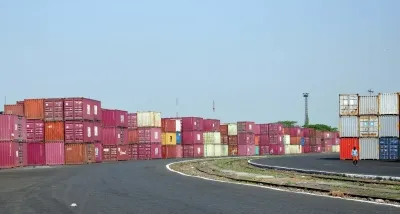
Beijing, April 1 (NationPress) Projects associated with China's Belt and Road Initiative, particularly those related to Iranian ports, railways, and energy infrastructure, are now encountering increased instability and security risks due to the escalating tensions in West Asia.
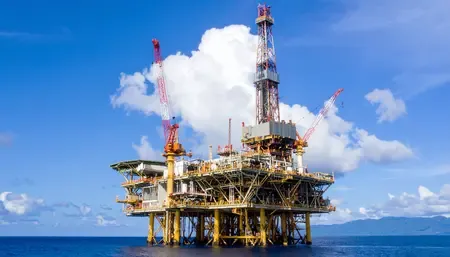
The aspiration for a secure energy corridor connecting Iran and China, designed to be shielded from US naval dominance, has transformed into a landscape of uncertainty, representing a significant strategic blow to Beijing, as reported.
According to the 'Asian News Post', China risks considerable losses, both materially and geopolitically, as a result of the recent severe military actions from the US and Israel against Iran. Positioned at a crucial juncture of global trade, the Middle Eastern nations serve as a logistical link and a growing hub for strategic investments. China has been pouring investments into Iran since 2005.
Following Chinese President Xi Jinping's visit to Tehran in 2016, which resulted in the signing of the Belt and Road Initiative, Beijing has aimed to establish Iran as a key element of its Middle Eastern strategy. This involved creating a base in the region to counter US influence while facilitating trade routes to Africa and Europe. In 2021, China entered into a comprehensive strategic partnership with Tehran, committing $400 billion to long-term infrastructure projects and the acquisition of Iranian oil.
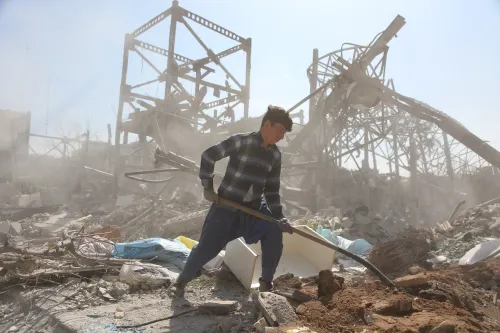
However, the current conflict has left China's ambitious plans in Iran in disarray.
Chinese investments in fixed assets are under significant threat, and the oil supply from Iran, which China previously obtained at favorable terms, is now uncertain. With a potential regime change in Iran orchestrated by the US looming, China may also lose the planned trade routes through Iran.
The report indicates that China has yet to take any decisive actions to mediate the ongoing war, limiting its response to mere statements of concern while urging the US and Israel to halt their military operations against Iran.
Interestingly, Beijing might be weighing the prospect that a prolonged conflict could distract Washington's focus from the South China Sea and the Indo-Pacific, potentially making Taiwan more vulnerable to a Chinese takeover.
Nevertheless, the report warns that this perspective may be shortsighted. In both Venezuela and now in Iran, China has not effectively supported its allies when faced with US aggression. This may tarnish Beijing's reputation as an unreliable partner, reluctant to engage in conflicts, and could foster the perception that China lacks the military strength to confront the US.
Point of View
The current geopolitical landscape underscores the fragility of international alliances, particularly in light of China's investments in Iran. While the situation is complex, prioritizing national interests remains paramount as nations navigate these turbulent waters.
NationPress
23 Sept 2026
Frequently Asked Questions
What is the significance of China's investments in Iran?
China's investments in Iran are crucial for establishing trade routes and energy supplies, positioning Iran as a strategic partner in the Belt and Road Initiative.
How has the conflict in West Asia affected these investments?
The escalating conflict has introduced significant instability, putting Chinese investments at risk and creating uncertainty regarding oil supplies and trade corridors.
What are the potential geopolitical implications for China?
China may face reputational damage as an unreliable ally, impacting its global influence and strategic partnerships if it fails to support Iran during this crisis.
What steps has China taken in response to the conflict?
China has limited its response to statements of concern, calling for an end to hostilities, but has not taken decisive action to mediate the situation.
Could this conflict distract the US from other regions?
There is speculation that a prolonged conflict in Iran may divert US attention from the South China Sea and Indo-Pacific, potentially affecting US-China relations.