The US-Iran Standoff: A Complex Geopolitical Crisis
Synopsis
The intricate standoff between the US and Iran transcends typical geopolitical rivalries, posing significant risks for global stability. As energy markets react and economic pressures mount, the need for structured dialogue becomes vital to prevent further escalation.
Key Takeaways
The US-Iran standoff represents a structural stalemate with global implications.
Energy markets are reacting to the uncertainty surrounding the Strait of Hormuz.
Asian economies are particularly vulnerable due to their reliance on Iranian oil.
Diplomatic engagement is crucial for addressing underlying tensions.
Collective intervention is necessary to prevent an irreversible crisis.
New Delhi: The ongoing tension between the United States and Iran has evolved into a complex standoff that transcends typical strategic rivalry. It highlights a structural stalemate where both parties are entrenched in positions that are unsustainable in the long run. The U.S. maintains its *financial sanctions*, *control over global channels*, and enforces pressure tactics. In response, Iran has *refused to renegotiate nuclear terms* and is intensifying its reliance on its geographical advantage, particularly in the Strait of Hormuz.
The current scenario has resulted in a situation where neither *escalation* nor a *lengthy pause* provides a feasible solution. The two-week ceasefire is more a tactical maneuver than a strategic resolution. While it has momentarily reduced the risk of confrontation, it fails to tackle the fundamental disconnect between the imposed pressure and actual outcomes.
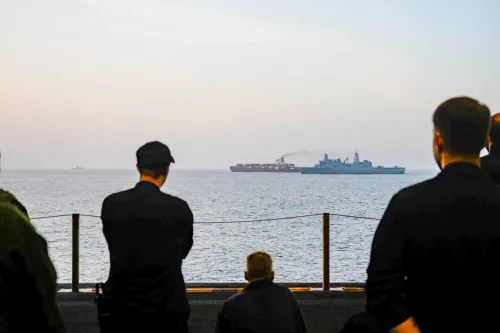
The immediate repercussions of this impasse are most evident in global energy markets. Even the mere perception of possible disruptions related to Hormuz has led to increased volatility in oil prices. This has resulted in upward price trends and uncertainty in supply chains, affecting various sectors worldwide.
The repercussions extend beyond state actors, impacting farmers, transportation sectors, and small enterprises facing rising operational costs. Fluctuations in petroleum and gas prices are directly contributing to inflation, thereby hindering economic activity at a time when the global recovery remains precarious. The impact is particularly acute for economies reliant on energy.
Asian nations find themselves at the heart of this upheaval. A significant share of Iranian oil is directed towards Asia, especially China and India. Any instability in these shipments exerts immediate pressure on manufacturing output, logistical strategies, and long-term energy security arrangements. Thus, the current situation extends well beyond a regional concern.
Moreover, there is a growing trend of utilizing financial and trade mechanisms as strategic control tools. The capacity to obstruct or influence international channels without broader multilateral consensus is setting a new precedent in global economic governance.
This has far-reaching implications beyond the current conflict, raising alarms about the concentration of power in global systems and the vulnerability of dependent economies. Countries around the world are closely monitoring the situation as it shapes the future balance between national authority and multilateral frameworks.
For Iran, these restrictions have intensified economic hardships. Conversely, for other nations, especially in Asia, it raises concerns over the reliability and predictability of global trade systems.
The assumption that military pressure alone can yield political results has proven faulty. Tactical victories have not translated into strategic benefits. Iran's political standing remains resilient. Instead, it has shifted its focus from conventional deterrence to economic disruption through its geographical leverage.
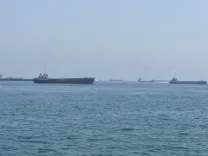
The Strait of Hormuz has become pivotal in Iran's strategic calculus, linking regional tensions to global ramifications. This shift has transformed the nature of leverage in the ongoing standoff.
Simultaneously, the United States retains influence through institutional frameworks and alliances. However, the effectiveness of this influence is being challenged when outcomes do not align with strategic intent.
This current phase suggests that bilateral engagement is inadequate. The discrepancies in positions are too significant to be reconciled without credible intermediaries. While direct negotiations are essential, they require facilitation that garners trust from both parties.
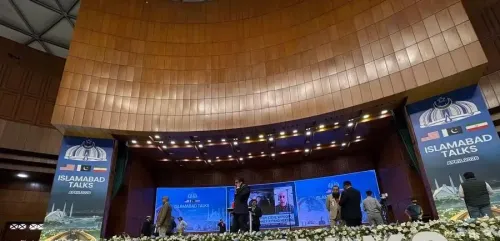
There are signs of parallel channels and exploratory discussions facilitated by third parties. Although specifics remain vague, it is clear that indirect engagement is ongoing, highlighting the recognition that complete disengagement is not viable.
The mention of mediation by external actors like Russia, China, and potentially India underscores the emerging need for balanced intermediaries who grasp both strategic and regional nuances.
The current crisis has revealed the limited role played by regional stakeholders in determining outcomes. West Asia continues to suffer the repercussions of decisions made outside its borders. This imbalance cannot persist if stability is to be achieved.
Countries with direct interests in energy flows, diaspora presence, and economic ties must take a more proactive stance. India's role becomes significant in this context, given its historical engagement with Iran, economic exposure to the region, and broader strategic posture.
Moreover, over-dependence on a few intermediaries does not establish a sustainable framework. A broader coalition of nations, respected by both sides, is essential for structured engagement.
The obligation for de-escalation cannot be indefinitely shared. Any party that instigates or intensifies conflict bears a corresponding responsibility to stabilize the situation. Temporary halts do not replace the need for long-lasting arrangements.
Iran's internal economic pressures and societal impacts also require attention. Its long-term strategy hinges on balancing assertive positioning with economic revival. Similarly, the United States must align its pressure strategies with achievable results.
The present scenario has already resulted in substantial economic setbacks. Recovery will necessitate time and coordinated efforts. The prolonged standoff will deepen its effects on global systems.
The question of who holds the advantage in this current impasse does not rest with a single player. It lies with those capable of shifting the dynamic from confrontation to engagement. The real leverage is now with those who can establish credible communication channels, foster mutual accommodation, and avert disruptions to global systems. The success of mediation—rather than the intensity of pressure—will shape the next chapter.
The standoff has escalated to a point where its current trajectory is untenable. The deadlock between the United States and Israel on one side and Iran on the other carries significant repercussions. Any further escalation risks plunging the situation into a do-or-die scenario, potentially involving major powers like China and Russia in a conflict.
There is little doubt that Iran, despite incurring severe economic and human costs, has gained a stronger leverage position. Its capacity to maintain pressure through its geographical advantages and its unwillingness to concede without assurance signifies a shift in power dynamics. At the same time, the absence of a pathway to recovery via oil flows or internal revenues will continue to strain its domestic framework, making a negotiated settlement equally critical for its stability.
If the current blockade persists for an extended period, it will trigger cascading effects across numerous economies. Energy-dependent nations will face acute pressures, supply chains will further weaken, and many economies may be forced into emergency adjustments. This phenomenon will transcend regional borders, resulting in a broader global stress situation.
The United States also confronts a different set of risks. Beyond economic factors, its longstanding strategic foothold in the region is under scrutiny. The evident reluctance or lack of full alignment from key allies signals a shift in regional confidence, with implications that extend beyond the immediate conflict into the credibility of future engagements.
Before the situation escalates into an irreversible crisis, there is an urgent need for collective intervention. Nations with influence and credibility must step in to engage both sides and foster conditions conducive to structured dialogue under international oversight. A more comprehensive framework, rather than isolated efforts, is crucial for stabilizing the situation.
The roots of this conflict stem from significant miscalculations, and its ramifications are unfolding in ways that exceed initial expectations. The principle of cause and effect is paramount. Actions taken without a sustainable resolution framework inevitably lead to broader instability. The current moment serves as a critical lesson not only for the involved parties but for the global system at large. Progress towards structured dialogue is no longer optional; it is essential for restoring stability at both regional and global levels.
(The author is a former diplomat and expert in strategic affairs. The views expressed are personal)
Point of View
Emphasizing the need for diplomatic engagement to address the underlying tensions. It highlights the broader implications for global economic stability, urging a collaborative approach among nations to foster peace.
NationPress
18 Sept 2026
Frequently Asked Questions
What triggered the current US-Iran standoff?
The standoff escalated due to the US's financial sanctions and Iran's refusal to renegotiate nuclear terms, leading to heightened tensions.
How does this conflict affect global energy markets?
The situation has introduced volatility in oil prices, impacting supply chains and contributing to inflation worldwide.
What role does the Strait of Hormuz play?
The Strait of Hormuz is a critical chokepoint for global oil shipments, making any disruption there a significant concern for economies reliant on energy.
What are the broader implications for Asia?
Asian nations, particularly China and India, face immediate pressure on industrial output and energy security due to their dependence on Iranian oil.
Is there a path to resolving this crisis?
A structured dialogue facilitated by credible intermediaries is essential to bridge the gap between the US and Iran's positions and restore stability.