IMF urges China to shift from exports to consumption-led growth
Synopsis
The IMF isn't just flagging a slowdown — it's calling out a structural flaw at the heart of China's growth model. With GDP projected to slip to 4.6% in 2026, the Fund says Beijing must urgently reduce household savings, revive domestic consumption, and fix its property sector, or risk a prolonged drag on the world's second-largest economy.
Key Takeaways
The IMF on 9 July 2025 urged China to shift its growth model from export-led to consumption-led .
IMF spokesperson Julie Kozack cited three structural risks: weak domestic demand, slowing productivity, and an ageing population .
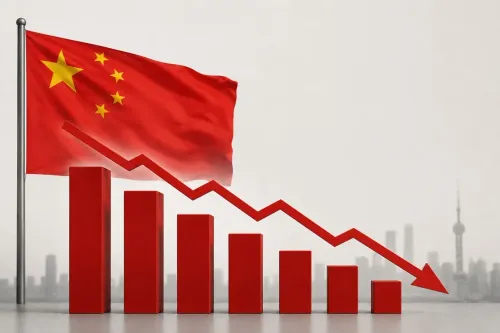
China's growth is forecast to slow from 5% in 2025 to 4.6% in 2026, per the IMF's latest World Economic Outlook update.
The IMF called for 'more urgent and more forceful expansionary macroeconomic policies' and reforms to reduce high household savings .
Continued support for China's property sector was also flagged as a key element of the recommended reform agenda.
The International Monetary Fund (IMF) on 9 July 2025 called on China to urgently overhaul its economic growth model, warning that persistently weak domestic demand, slowing productivity, and a rapidly ageing population pose serious structural risks to the world's second-largest economy in the years ahead.
What the IMF Said
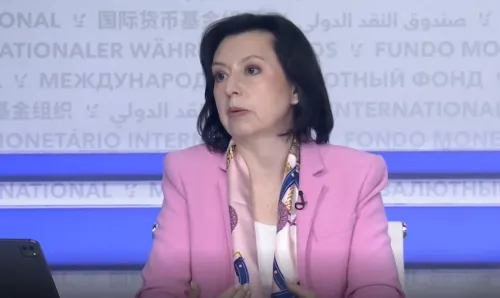
Julie Kozack, Director of the IMF's Communications Department, made the remarks at the Fund's regular press briefing in Washington. She stressed that despite a modest upward revision to China's near-term growth forecast, longer-term structural vulnerabilities remain a major concern for the Fund.
'We have been emphasising for quite some time in our bilateral work with China, in our Article IVs, that we do see some significant structural challenges facing the Chinese economy,' Kozack said.
Key Structural Weaknesses Identified
According to Kozack, the IMF has flagged three interconnected problems. First, persistently subdued domestic consumption — and its counterpart, rising external imbalances driven by export dependence. Second, weakening productivity growth. Third, demographic headwinds from a rapidly ageing population.
'These include persistently subdued domestic demand, particularly domestic consumption, and the flip side of that is rising external imbalances,' she said, adding: 'China faces demographic headwinds from population ageing.'
The IMF's Prescription
The Fund's recommended remedy is a fundamental shift in China's growth strategy — away from export-led expansion and toward domestic consumption. Kozack said this would require 'more urgent and more forceful expansionary macroeconomic policies' alongside structural reforms to reduce exceptionally high household savings rates.
'It's going to require reforms to reduce very high levels of household savings, so that households, rather than saving a lot, also consume,' she said. The IMF also called for continued support for China's troubled property sector, describing it as a critical element of the broader reform agenda.
Growth Forecast and Context
The IMF's latest World Economic Outlook update projects China's growth to ease from 5% in 2025 to 4.6% in 2026. While the 2026 figure represents a slight upgrade from the Fund's April outlook, Kozack underscored that the revision does not diminish structural concerns. Economists have separately flagged that rising debt levels in the property sector and demographic shifts are likely to weigh on China's economic expansion over the coming decade.
Kozack's comments came in response to a question about China's uneven economic recovery despite multiple rounds of policy support announced by Beijing over the past year — a pattern that has drawn sustained scrutiny from multilateral lenders and independent analysts alike.
Why It Matters for the Global Economy
China remains the world's second-largest economy and a significant driver of global growth. A sustained slowdown driven by structural imbalances — rather than a cyclical dip — would have far-reaching consequences for commodity exporters, Asian supply chains, and global trade volumes. The IMF has consistently argued that rebalancing Chinese growth toward domestic consumption would not only benefit China's long-term resilience but also reduce external trade imbalances that have drawn friction with trading partners. Whether Beijing accelerates the reforms the Fund recommends remains the central question for global economic watchers in the months ahead.
Point of View
Low consumption, property debt, and demographic decline — but the political economy of rebalancing is formidable. Reducing household savings requires expanding social safety nets, which Beijing has been reluctant to fund at scale. The 4.6% forecast for 2026 may look manageable in isolation, but if the structural fixes do not materialise, the trajectory beyond 2027 is where the real risk lies — and that risk is global, not just Chinese.
NationPress
8 Oct 2026
Frequently Asked Questions
What is the IMF recommending for China's economy?
The IMF is urging China to transition its growth model from export-led to consumption-led by implementing stronger expansionary macroeconomic policies and reducing exceptionally high household savings rates. It also recommends continued support for China's troubled property sector as part of a broader structural reform agenda.
What is China's GDP growth forecast for 2026 according to the IMF?
The IMF's latest World Economic Outlook update projects China's economic growth to slow from 5% in 2025 to 4.6% in 2026. While this represents a slight upward revision from the Fund's April forecast, IMF officials stressed that longer-term structural challenges remain a serious concern.
What structural challenges is China facing, according to the IMF?
The IMF has identified three key structural weaknesses: persistently weak domestic consumption accompanied by rising external imbalances, slowing productivity growth, and demographic pressures from a rapidly ageing population. These factors are expected to weigh on China's long-term economic expansion.
Why does China's slowdown matter for the global economy?
China is the world's second-largest economy and a major contributor to global growth. A structural — rather than cyclical — slowdown would affect commodity exporters, Asian supply chains, and global trade volumes. The IMF argues that rebalancing China's growth toward domestic demand would also help reduce trade imbalances that have created friction with its major trading partners.
Has the IMF raised these concerns with China before?
Yes. IMF Communications Director Julie Kozack confirmed that the Fund has been raising these structural concerns 'for quite some time' through bilateral consultations and Article IV reviews with China. The latest remarks came in response to questions about China's uneven recovery despite multiple rounds of policy support from Beijing over the past year.