IMF backs free trade amid rising tariffs, flags unequal gains
Synopsis
The IMF has held its ground on free trade even as the US pivots to country-specific tariffs — but its own data tells a more complicated story: US tariff revenues worth 0.7% of GDP are expected to erode as trade reroutes, and the Fund openly admits globalisation's gains have left many workers behind. The institution is defending a system it acknowledges is broken for a significant share of the world.
Key Takeaways
The IMF reaffirmed its support for open markets and free trade at a press briefing on 9 July in Washington .
Julie Kozack , IMF Communications Director, said trade is 'important to raise global living standards and reduce poverty.' The Fund acknowledged that globalisation's benefits 'have not always been evenly shared,' citing job losses, wage pressures, and rising inequality in some countries.
US tariffs are projected to generate additional revenue of 0.7 per cent of US GDP in fiscal year 2025-26 , per the IMF's Article IV assessment.
The IMF cautioned those tariff revenues may decline over time as trade is reallocated and import substitution takes hold.
The International Monetary Fund (IMF) on Thursday, 9 July reaffirmed its support for open markets and free trade, even as tariff barriers and economic nationalism continue to reshape the global trading order. The Fund maintained that international trade remains indispensable for raising living standards and reducing poverty — while conceding that the dividends of globalisation have not been distributed evenly.
IMF's Core Position on Free Trade
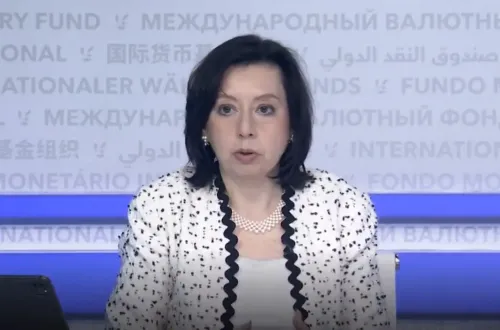
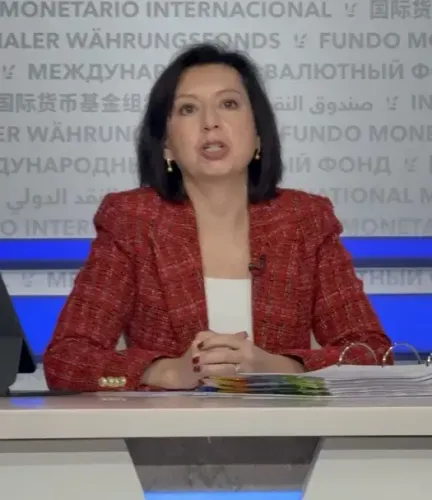
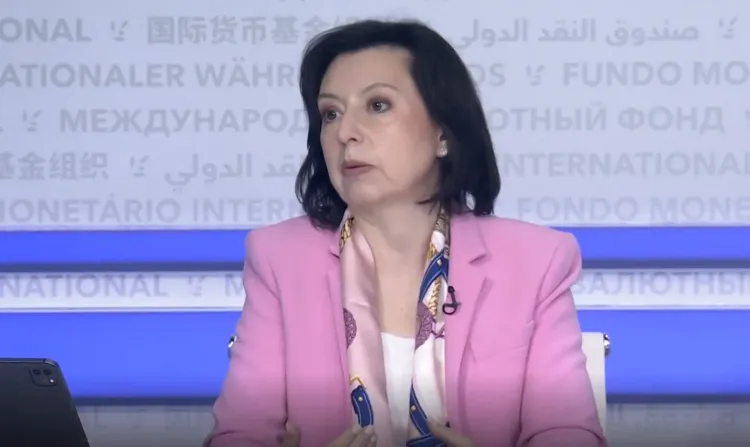
Julie Kozack, Director of the IMF's Communications Department, made the remarks at the Fund's regular press briefing in Washington. 'We continue to support open markets and trade,' Kozack said. 'We think that they're important to raise global living standards and reduce poverty, and we've seen some of those positive impacts globally.'
Her comments came in direct response to a question on United States tariff policy — specifically the expected transition from broad global tariffs imposed under Section 122 of the US Trade Act to country-specific measures under Section 301 — and whether the IMF's stance had shifted amid mounting economic-security concerns.
Acknowledging the Uneven Spread of Globalisation
While defending the architecture of open trade, Kozack acknowledged that integration has produced uneven outcomes for many economies and communities. 'We have also recognised that the benefits of globalisation and of integration have not always been evenly shared,' she said.
According to Kozack, job losses, wage pressures, and widening inequality have accompanied shifts in global trade patterns in several countries. 'Some countries have faced job losses. They face wage pressures. Inequality has increased. There's been concerns about a level playing field and unfair competition,' she said. The Fund's position, she stressed, is that these concerns reinforce — rather than undermine — the case for ensuring the trading system works more equitably. 'I think we recognise the benefits of the integrated system, but we also realise that in order to make that system really work, it's important that the benefits are evenly shared and that the playing field is level,' Kozack added.
Fiscal Impact of US Tariffs
The IMF also weighed in on the revenue implications of US tariffs, drawing on its latest Article IV assessment of the American economy. Tariffs are expected to generate additional government revenue equivalent to 0.7 per cent of US GDP in fiscal year 2025-26, according to the Fund's estimates.
However, Kozack cautioned that those gains are unlikely to be sustained. 'We also noted that we expected that those revenues may decline over time as trade is reallocated and as import substitution takes hold,' she said. The observation points to a structural limitation of tariffs as a long-term fiscal tool — a point that critics of protectionist policy have repeatedly raised.
Broader Context: Security vs. Open Trade
The IMF's remarks arrive at a moment when governments worldwide are increasingly weighing free trade against national security imperatives, supply-chain resilience, and the protection of strategic industries. Several major economies have imposed or expanded tariffs in recent years, arguing that economic security is now inseparable from national security. This comes amid a broader fragmentation of the rules-based multilateral trading system that the IMF and institutions like the World Trade Organisation (WTO) have long championed.
Notably, the tension between open-market principles and protectionist pressures has intensified since the onset of US-China trade friction and accelerated further following pandemic-era supply-chain disruptions. The IMF's reaffirmation signals that the Fund has no intention of retreating from its foundational pro-trade stance, even as the geopolitical environment grows more complex.
How governments balance these competing pressures — and whether multilateral frameworks can be reformed to address the inequality concerns the IMF itself has flagged — will be a defining question for the global economy in the years ahead.
Point of View
More equitable trading architecture actually looks like — and until it does, its pro-trade advocacy will continue to ring hollow for the communities left behind by the last wave of globalisation.
NationPress
8 Oct 2026
Frequently Asked Questions
What is the IMF's current position on free trade and tariffs?
The IMF reaffirmed on 9 July that it supports open markets and free trade, describing them as essential for raising global living standards and reducing poverty. The Fund's stance has not changed despite growing protectionism, though it acknowledged that globalisation's gains have not been shared equally.
What did the IMF say about the fiscal impact of US tariffs?
According to the IMF's latest Article IV assessment of the United States, US tariffs are expected to generate additional government revenue equivalent to 0.7 per cent of US GDP in fiscal year 2025-26. However, the Fund cautioned that these revenues may decline over time as trade is reallocated and import substitution takes hold.
Who is Julie Kozack and why are her remarks significant?
Julie Kozack is the Director of the IMF's Communications Department and the Fund's principal spokesperson at regular press briefings. Her remarks on 9 July represent the IMF's official institutional position on free trade and US tariff policy, making them significant for governments and markets tracking multilateral economic governance.
Why does the IMF say globalisation has not benefited everyone equally?
The IMF has recognised that shifts in global trade patterns have caused job losses, wage pressures, and rising inequality in some countries and communities. The Fund argues these concerns do not negate the case for open trade but instead highlight the need for governments to ensure benefits are distributed more broadly and the playing field is level.
What is the difference between US Section 122 and Section 301 tariffs?
Section 122 of the US Trade Act allows the President to impose broad, global tariffs for balance-of-payments reasons, while Section 301 authorises country-specific tariffs in response to unfair trade practices. The IMF's briefing addressed questions about the expected transition from the former to the latter as a shift in Washington's trade strategy.