IMF: Middle East ceasefire eases global economy risks, oil still 10% above pre-war levels
Synopsis
The IMF has offered its clearest signal yet that the Middle East ceasefire is doing real economic work — oil is off its peak, commodity markets are stabilising, and inflation expectations have held. But with supply chains still unwinding and oil 10% above pre-war levels, the fund is reserving its full verdict for the July 8 World Economic Outlook update.
Key Takeaways
The IMF said on 25 June that the Middle East ceasefire and progress toward reopening the Strait of Hormuz have eased immediate risks to the global economy.
Oil prices have fallen from conflict-era peaks but remain approximately 10% above pre-war levels, according to Julie Kozack , IMF Communications Director.
Jet fuel, natural gas, base metals, urea, and fertiliser prices have also declined, the IMF noted.
Inflation expectations have remained largely anchored despite the energy shock; central banks have been urged to stay vigilant.
Full supply chain normalisation will take time as delayed cargo ships complete their routes, the IMF cautioned.
The IMF's updated World Economic Outlook is due on 8 July 2025 and will carry the fund's revised global assessment.
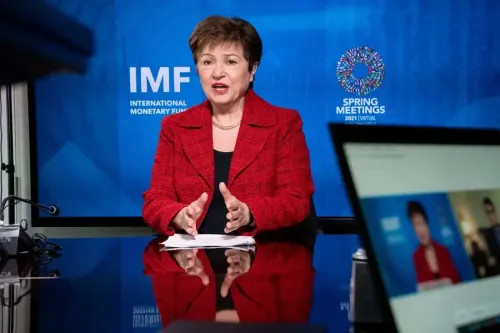
The International Monetary Fund (IMF) on Thursday, 25 June said the ceasefire in the Middle East and progress toward reopening the Strait of Hormuz have reduced immediate risks to the global economy, though it cautioned that the full economic fallout from the recent conflict has yet to materialise. The assessment came at a regular IMF press briefing in Washington.
What the IMF Said
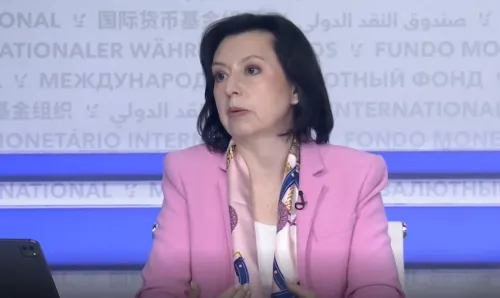
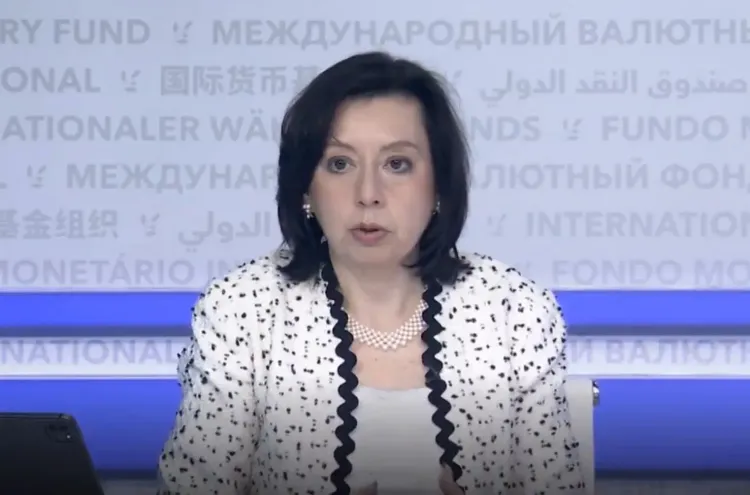
Julie Kozack, Director of the IMF's Communications Department, said the war had once again tested the resilience of the global economy, but that recent developments had helped stabilise commodity markets and financial conditions. 'What we've seen is, and as we've said, that the war in the Middle East has tested yet again the resilience of the global economy,' Kozack said.
She noted that the IMF continues to evaluate the economic impact through three principal channels: commodity prices, inflation and inflation expectations, and financial conditions — the same framework it had outlined in April.
Oil and Commodity Markets
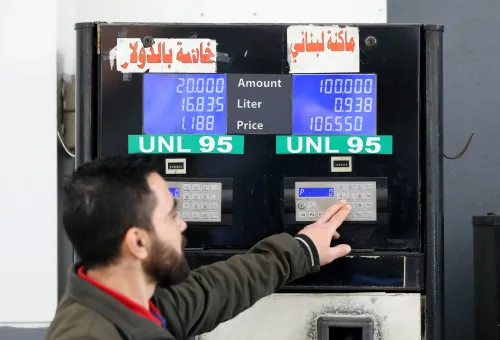
Oil prices, which surged during the conflict, have retreated from their recent peaks but remain elevated. 'What we've seen right now with oil prices is that they have fallen from their peaks, and they're now about 10% above their pre-war levels,' Kozack said. Beyond crude, she noted broad-based easing across several commodities. 'We've also seen declines in other commodity prices as well... jet fuel prices have declined... Natural gas prices have also fallen, base metal prices have started to fall... including in urea and some fertiliser prices,' she added.
Strait of Hormuz and Supply Chain Normalisation
Kozack described the path toward reopening the Strait of Hormuz — one of the world's most critical shipping corridors — as 'very welcome,' saying a sustained ceasefire would support global growth. However, she cautioned that supply chain normalisation would take time, as vessels delayed during the conflict still need to complete their journeys to global markets. 'It is going to take time for full normalisation, because it takes time for ships to move out of the strait to reach their destination,' she said.
Inflation Expectations and Financial Conditions
Despite the energy shock triggered by the conflict, the IMF said inflation expectations have largely remained anchored. 'In general, we have seen that inflation expectations have remained anchored, but we're continuing to recommend that central banks remain vigilant,' Kozack said. She added that financing conditions remained accommodative and that countries continued to access international capital markets without significant disruption.
What Comes Next
Asked whether the IMF would revise its economic scenarios from April, Kozack declined to pre-empt the institution's forthcoming publication. 'We're gonna have much more to say on July 8, when we release the WEO update,' she said, indicating that the World Economic Outlook update would carry the IMF's latest comprehensive assessment. The overall outlook, she stressed, remains contingent on the ceasefire holding.
Point of View
And the fund has not yet revised its formal forecasts. Oil remaining 10% above pre-war levels is not a clean bill of health — it is a lingering inflation risk that central banks in emerging markets, including India, cannot afford to ignore. The July 8 WEO update will be the real test of whether the fund believes this is a genuine stabilisation or a fragile pause. Until then, the language of 'vigilance' from Kozack is doing a lot of work.
NationPress
24 Sept 2026
Frequently Asked Questions
What did the IMF say about the Middle East ceasefire and the global economy?
The IMF said on 25 June that the ceasefire in the Middle East and progress toward reopening the Strait of Hormuz have reduced immediate risks to the global economy. However, it cautioned that the full impact of the recent conflict has yet to play out and that the outlook depends on the ceasefire holding.
How have oil prices moved since the Middle East conflict?
Oil prices surged during the conflict but have since retreated from their peaks. As of 25 June, they remain approximately 10% above pre-war levels, according to IMF Communications Director Julie Kozack.
Which commodity prices have fallen alongside oil?
Beyond crude oil, the IMF noted declines in jet fuel, natural gas, base metals, urea, and some fertiliser prices, indicating a broader easing of commodity market pressures linked to the conflict.
When will the IMF release its updated global economic forecast?
The IMF is scheduled to release its World Economic Outlook update on 8 July 2025, which will contain the fund's latest comprehensive assessment of the global economy in light of recent developments.
Has inflation remained under control despite the energy shock from the conflict?
The IMF said inflation expectations have largely remained anchored despite the energy price surge caused by the conflict. It nonetheless recommended that central banks remain vigilant and noted that financial conditions continue to support economic activity.