PM-KISAN 24th Instalment: ₹19,000 Cr Released for 9.34 Cr Farmers
Synopsis
Prime Minister Narendra Modi released the 24th PM-KISAN instalment worth ₹19,000 crore from Banaskantha, Gujarat, reaching 9.34 crore farmer families nationwide. Union Minister G. Kishan Reddy highlighted that over 30.10 lakh Telangana farmers received the support, underscoring the DBT scheme's reach across states.
Key Takeaways
₹19,000 crore disbursed as the 24th instalment of PM-KISAN on 30 October 2026 .
9.34 crore farmer families across India benefited from this release cycle.
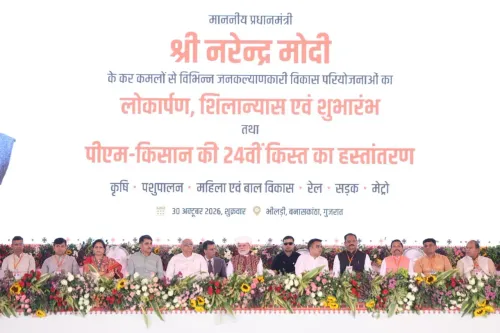
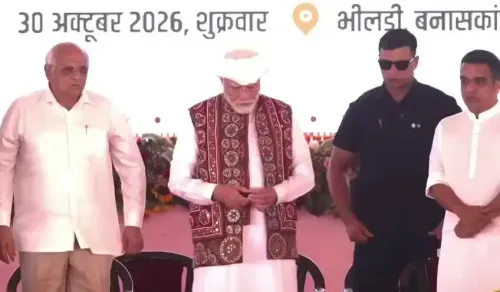
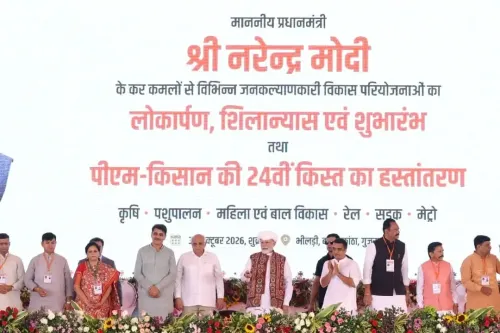
PM Modi launched the instalment from Banaskantha, Gujarat .
30.10 lakh-plus farmers in Telangana received the direct bank transfer.
PM-KISAN provides ₹6,000 per year in three instalments via Direct Benefit Transfer to eligible landholding families.
The scheme has been operational since its launch on 24 February 2019 .
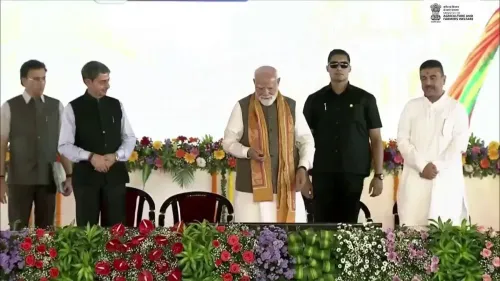
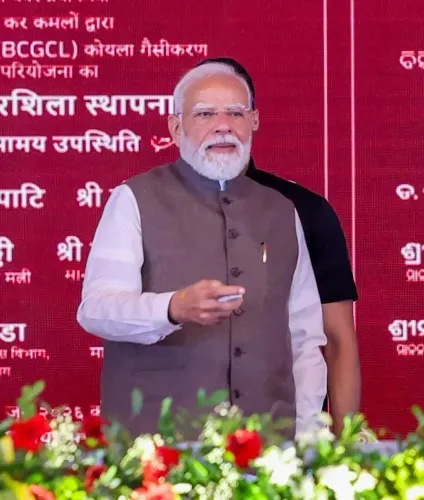
Nearly ₹19,000 crore landed directly in the bank accounts of 9.34 crore farmer families across India on Friday, 30 October 2026 — as Prime Minister Narendra Modi released the 24th instalment of the Pradhan Mantri Kisan Samman Nidhi (PM-KISAN) scheme from Banaskantha, Gujarat. Union Coal and Mines Minister and BJP Telangana President G. Kishan Reddy amplified the milestone on X, spotlighting Telangana's 30.10 lakh-plus beneficiaries as a measure of the scheme's reach in the state.
A disbursal at Banaskantha — and what it means for 9 crore households
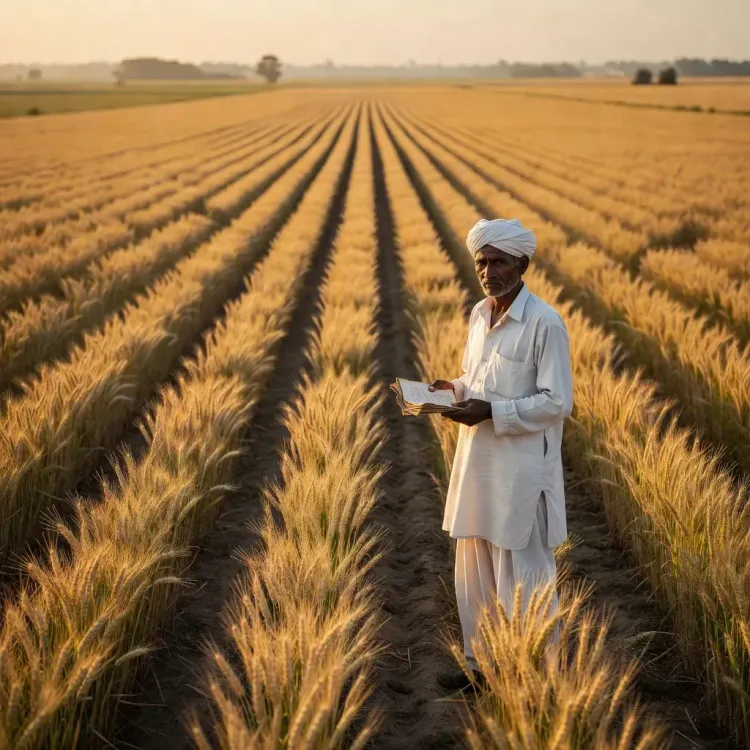
The release event, held in Banaskantha — a predominantly agrarian district in northern Gujarat — follows the established pattern of PM-KISAN instalment launches, where the Prime Minister typically presides over a public farmers' event and triggers the Direct Benefit Transfer (DBT) at a symbolic venue. Each eligible farmer family receives ₹6,000 per year in three equal instalments of ₹2,000 each, deposited directly into verified bank accounts.
Since its launch on 24 February 2019, PM-KISAN has been one of India's largest DBT-driven agricultural welfare programmes, designed to reduce leakages that plagued older subsidy chains. The 24th instalment marks more than seven years of consecutive disbursal cycles — a rhythm that has made the ₹2,000 credit a predictable, quarterly fixture for small and marginal landholding families.
Telangana's 30-lakh milestone under the spotlight
Kishan Reddy — wearing both his Union ministerial hat and his role as the BJP's top leader in Telangana — drew attention specifically to the state's numbers. Over 30.10 lakh farmers in Telangana received their instalment in this cycle, a figure his post positioned as evidence of the Centre's reach into a state currently governed by the Congress.
The political undertone is hard to miss. For a BJP state president, citing a central welfare scheme's beneficiary count in an opposition-ruled state is a standard accountability play — the implicit argument being that New Delhi's support flows irrespective of which party holds the state government. The DBT architecture makes that claim structurally credible: transfers bypass state agencies and land directly in farmers' accounts.
PM-KISAN's place in India's farm-support architecture
PM-KISAN does not operate in isolation. It sits alongside crop insurance under PM Fasal Bima Yojana, Minimum Support Price (MSP) operations, and credit-access schemes as part of a broader farmer-income support framework. The shift toward DBT-based delivery — covering hundreds of millions of beneficiaries — has reshaped how agricultural welfare is administered, making disbursal speed and beneficiary database integrity the central pressure points for both the Centre and state governments.
Subsequent budgetary decisions will determine whether the ₹6,000 annual ceiling — unchanged since 2019 — is revised upward, a question that surfaces with regularity ahead of every Union Budget cycle.
Point of View
Disbursed from a rural Gujarat district, reinforces the Centre's strategy of making agricultural welfare tangible, recurring, and accountable through DBT — a model designed to make state-level political friction irrelevant to the farmer's account balance. For BJP Telangana chief G. Kishan Reddy, flagging 30 lakh Telangana beneficiaries in a Congress-governed state is a calculated reminder of where welfare delivery originates. The unchanged ₹6,000 annual ceiling, however, remains a live political pressure point — farm groups and opposition parties have long demanded a revision, and every instalment release renews that conversation ahead of the Budget.
NationPress
31 Oct 2026
Frequently Asked Questions
What is the PM-KISAN scheme and how much do farmers get?
PM-KISAN (Pradhan Mantri Kisan Samman Nidhi) provides ₹6,000 per year to eligible landholding farmer families in three instalments of ₹2,000 each, transferred directly to their bank accounts via DBT. It was launched on 24 February 2019.
How many farmers benefited from PM-KISAN's 24th instalment?
According to G. Kishan Reddy's post, approximately 9.34 crore farmer families across India benefited from the 24th PM-KISAN instalment released on 30 October 2026.
How many Telangana farmers received PM-KISAN in the 24th instalment?
Over 30.10 lakh farmers in Telangana received the PM-KISAN support in the 24th instalment cycle, as stated by Union Minister G. Kishan Reddy.
Where did PM Modi release the 24th PM-KISAN instalment?
Prime Minister Narendra Modi released the 24th PM-KISAN instalment from Banaskantha, an agrarian district in Gujarat.
How much money was released under PM-KISAN's 24th instalment?
Approximately ₹19,000 crore was released as the 24th instalment of PM-KISAN on 30 October 2026.