PM-KISAN 24th instalment: ₹18,680 crore released to 9.34 crore farmers
Synopsis
With a single event in Banaskantha, Modi transferred more than ₹18,680 crore to 9.34 crore farm households — the 24th instalment of PM-KISAN and a marker of a cumulative ₹4.47 lakh crore disbursed since launch. For drought-hit Maharashtra and debt-burdened Jharkhand, the ₹2,000 credit arriving during sowing season is less an entitlement and more a lifeline.
Key Takeaways
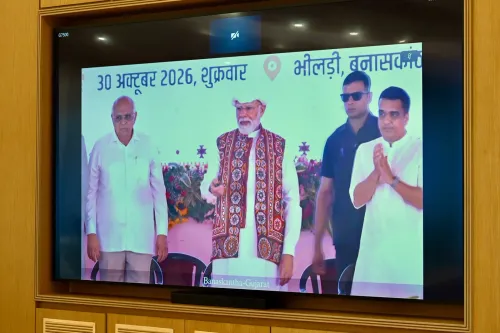
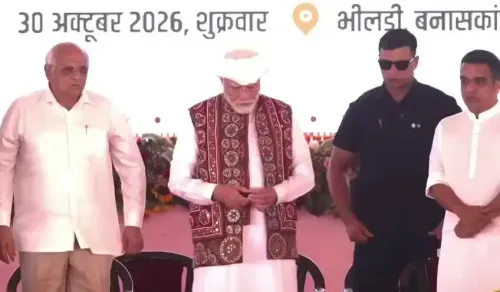
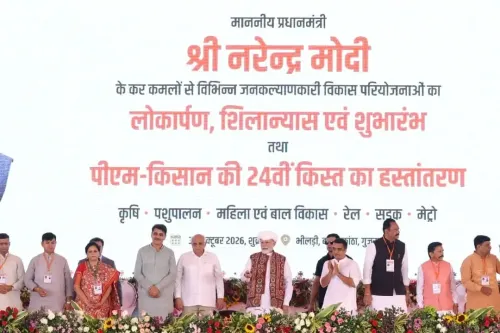
PM Narendra Modi released the 24th PM-KISAN instalment on 30 October 2026 from Bhildi, Banaskantha, Gujarat .
More than ₹18,680 crore was transferred directly to over 9.34 crore farmer families .
The first 23 instalments had collectively disbursed more than ₹4.47 lakh crore to over 11 crore families , according to Gujarat Minister Jitu Vaghani .
Farmers from Maharashtra , Jharkhand , and Gujarat cited the funds as critical for purchasing seeds and fertilisers during the sowing season.
Farmer Shashi Bhushan Pathak said the scheme reduced the need to take on debt for basic household expenses.
The scheme's reported extension until 2031 has been welcomed, though a formal government confirmation is awaited.
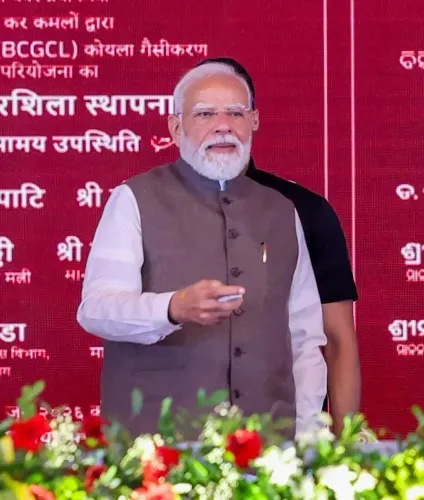
Prime Minister Narendra Modi on Friday, 30 October 2026 released the 24th instalment of the Pradhan Mantri Kisan Samman Nidhi (PM-KISAN) scheme, disbursing more than ₹18,680 crore directly to over 9.34 crore farmer families across India. The funds were released from Bhildi in Gujarat's Banaskantha district as part of the national-level PM Kisan Utsav Diwas, organised under the Prime Minister's leadership. Farmers across the country welcomed the transfer, saying the assistance would help them buy seeds and fertilisers, manage sowing-season expenses, and reduce their dependence on informal debt.
Why Farmers Say the Timing Matters
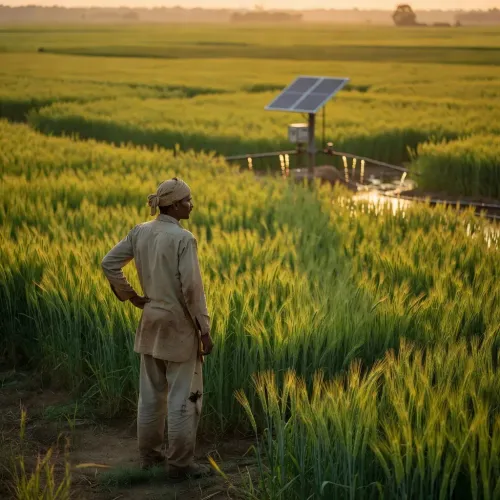
Farmers noted that the arrival of funds during the sowing season — when agricultural households face peak expenditure on inputs — made the transfer especially meaningful. A natural farmer with 15 years of experience said the assistance directly helped him purchase seeds, while government support had encouraged him to sustain environmentally responsible practices. 'The financial assistance being distributed under this scheme today also helps us with purchasing seeds for sowing. Natural farming has also brought us many benefits through government support,' he said.
The same farmer added that he had been growing vegetables for eight years and was receiving competitive prices, with local consumers increasingly supporting sustainable produce.
Voices from the Field: Maharashtra and Jharkhand
At the Krishi Vigyan Kendra in Kharpudi, a Maharashtra farmer said he watched the programme live and received a confirmation message for the ₹2,000 transfer shortly after it concluded. He underscored the significance of the payment given the drought conditions in Maharashtra, where uncertain agricultural output routinely strains farm incomes.
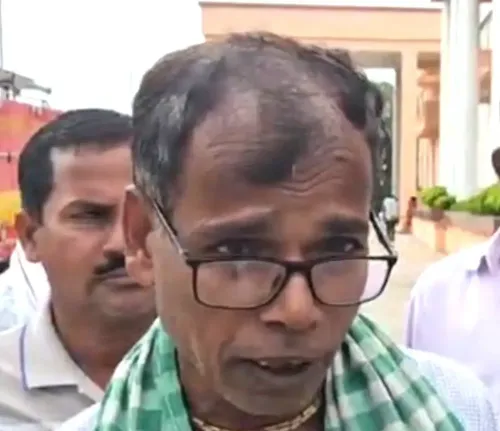
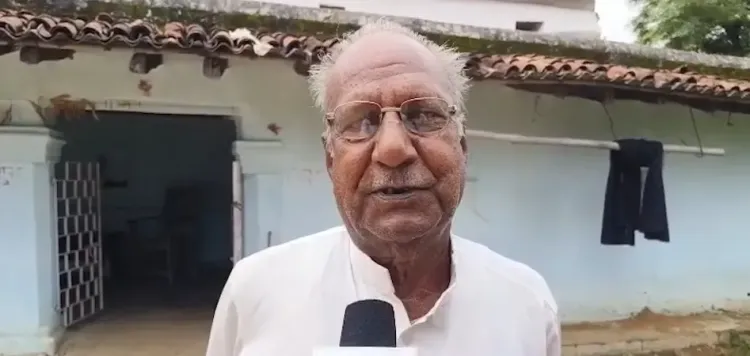
Farmer Shashi Bhushan Pathak said the scheme offered a measure of financial security previously unavailable to many cultivators. 'Farmers will be able to work without pressure now. Earlier, we had to take debt to be able to feed ourselves. Now we are secure,' he said. Pathak, however, acknowledged that some farmers still faced difficulties in receiving their dues.
In Jharkhand, farmer Shyam Kumar said the funds would cover multiple needs, from buying seeds for foodgrain production to purchasing fertilisers. 'We have immense benefits from the PM's scheme. The money we will get now can be used for multiple aspects, including buying seeds for the production of grains and fertilisers. This is a big financial help from the PM,' he said. Kumar also welcomed the reported extension of the scheme until 2031 and urged the government to introduce more initiatives with long-term benefits. Fellow Jharkhand farmer Baidyanath expressed satisfaction with the scheme's continuation, saying sustained support would help maintain agricultural and seed-production activities.
Cumulative Disbursement Since Launch
The 24th instalment adds to a significant cumulative transfer since PM-KISAN's launch. According to figures cited by Gujarat Minister Jitu Vaghani, the first 23 instalments had already resulted in disbursements of more than ₹4.47 lakh crore to over 11 crore farmer families nationwide. The scheme provides eligible farming households with direct financial assistance designed to meet both agricultural input costs and household expenses.
What the Scheme Is Designed to Address
PM-KISAN targets a structural vulnerability in Indian agriculture: the reliance of small and marginal farmers on informal credit at high interest rates, particularly during input-intensive periods. By providing ₹6,000 per year in three equal instalments of ₹2,000 each, the scheme aims to improve immediate liquidity for households that often lack access to formal banking credit. Farmers' responses across states highlighted this liquidity function as the scheme's most tangible benefit — especially in drought-prone regions where income uncertainty is compounded by weather risk.
What Comes Next
The reported extension of PM-KISAN until 2031 has been welcomed by farming communities, though the government is yet to make a formal announcement confirming the timeline. Farmers' groups and agricultural economists are likely to watch whether subsequent instalments are accompanied by wider reforms — such as improved soil health support, crop insurance uptake, and market linkages — that could address the structural pressures driving farm indebtedness beyond what direct transfers alone can resolve.
Point of View
₹18,680 crore in a single instalment — is undeniable, but direct transfers address liquidity, not the structural causes of farm distress. Debt-ridden farmers in Maharashtra's drought belt and Jharkhand's rain-fed tracts still face the same input-price pressures, market linkage gaps, and climate risks that ₹2,000 every four months cannot resolve. The scheme's political durability is high; its transformational impact on farm incomes remains limited without complementary investment in irrigation, crop insurance penetration, and output market reforms. As the reported 2031 extension signals, the Centre is betting on continuity — the question is whether continuity without structural reform becomes a substitute for it.
NationPress
30 Oct 2026
Frequently Asked Questions
What is the PM-KISAN scheme and how much does it pay?
The Pradhan Mantri Kisan Samman Nidhi (PM-KISAN) is a central government scheme that provides eligible farmer families with ₹6,000 per year in three equal instalments of ₹2,000 each, transferred directly to their bank accounts. It is designed to help small and marginal farmers meet agricultural input costs and household expenses.
How much was released in the 24th PM-KISAN instalment?
Prime Minister Narendra Modi released more than ₹18,680 crore under the 24th instalment on 30 October 2026, benefiting over 9.34 crore farmer families across India. The release was made from Bhildi in Gujarat's Banaskantha district during PM Kisan Utsav Diwas.
How much has PM-KISAN disbursed since it was launched?
According to figures cited by Gujarat Minister Jitu Vaghani, the first 23 instalments alone disbursed more than ₹4.47 lakh crore to over 11 crore farmer families. The 24th instalment of ₹18,680 crore adds to this cumulative total.
Is the PM-KISAN scheme being extended beyond 2024?
Farmer Shyam Kumar from Jharkhand welcomed what he described as a reported extension of the scheme until 2031, though the government is yet to formally confirm this timeline. If confirmed, it would guarantee continued direct transfers to eligible farm households for several more years.
Who is still facing difficulties in receiving PM-KISAN benefits?
Farmer Shashi Bhushan Pathak noted that while the scheme benefits those receiving payments, some farmers continue to face difficulties in getting their dues. Issues such as land record mismatches, Aadhaar linking errors, and bank account discrepancies have historically delayed or blocked transfers for a subset of eligible beneficiaries.