Kishan Reddy shares PM Modi's Banaskantha meet with rural women
Synopsis
Union Minister G. Kishan Reddy shared a video of PM Narendra Modi interacting with rural women in Banaskantha, Gujarat, who described how agriculture, dairy, and animal husbandry schemes are transforming their livelihoods and advancing the Viksit Bharat vision.
Key Takeaways
Kishan Reddy shared a video on October 30, 2026 of PM Modi's interaction with rural women in Banaskantha, Gujarat .
Women participants described how government schemes in agriculture, dairy, and animal husbandry have transformed their livelihoods and fostered self-reliance.
The PM-KISAN scheme (launched 2019 ) and the Rashtriya Gokul Mission (expanded since 2014 ) form key policy pillars underpinning rural women's economic empowerment in this region.
Banaskantha hosts one of India's prominent dairy cooperatives, making it a significant venue for this outreach.
The interaction was explicitly framed within the Viksit Bharat 2047 vision, positioning rural women as active contributors, not just beneficiaries.
Such interactions typically precede Union Budget cycles when updated scheme progress reports are released.
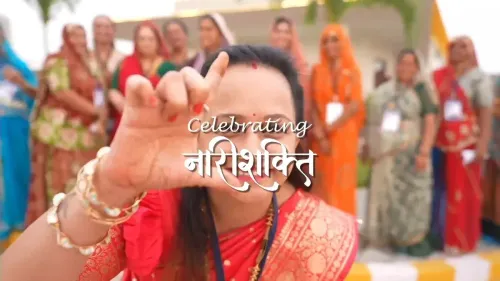
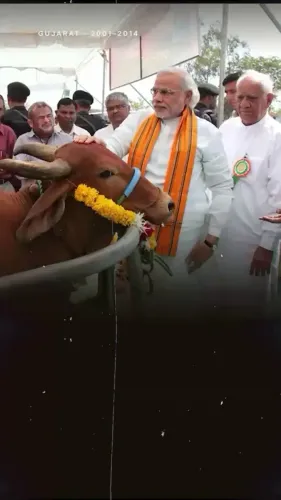
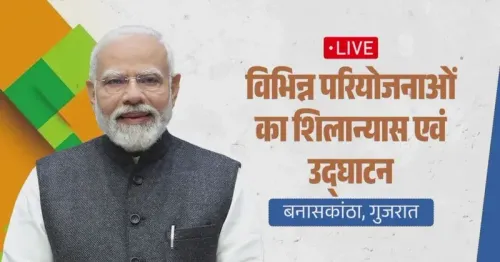
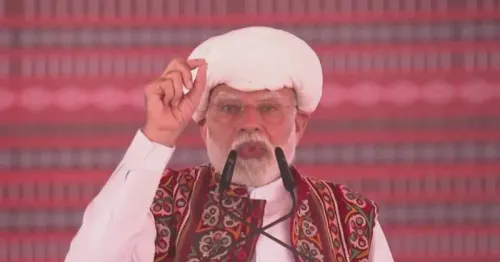
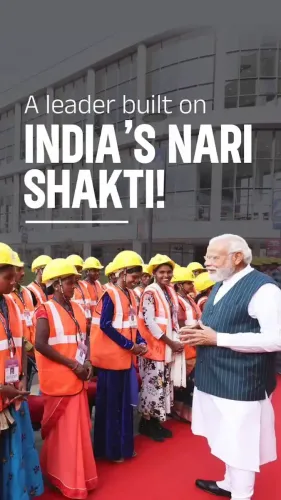
In the fields and dairy cooperatives of Banaskantha, Gujarat, rural women are telling their own stories — and this time, they told them directly to Prime Minister Narendra Modi. Union Coal and Mines Minister G. Kishan Reddy shared a video on Friday, October 30, 2026, spotlighting an interaction between PM Modi and women from the district, where the participants described how government schemes in agriculture, dairy, and animal husbandry have reshaped their livelihoods and sharpened their sense of self-reliance.
What the women of Banaskantha told the Prime Minister
The interaction, held in Banaskantha — a district in northern Gujarat with a deep-rooted tradition in dairy farming — gave rural women a direct platform to share their experience with government outreach programmes. According to the post, the women spoke about how state-supported schemes are 'transforming livelihoods, fostering self-reliance, and empowering them to contribute to the vision of #ViksitBharat.' Agriculture, dairy, and animal husbandry — three pillars of the rural economy in this belt — were at the centre of the conversation.
Gujarat's dairy cooperative model has long been held up as a benchmark for scaling rural women's economic participation. Banaskantha itself is home to one of the country's prominent dairy cooperatives, making it a symbolically and practically significant setting for this kind of outreach.
Schemes shaping the ground reality
The backdrop to this interaction spans several years of policy investment. The PM-KISAN scheme, launched in 2019, provides direct income support to landholding farmer families, with women beneficiaries forming a significant share. Simultaneously, the National Programme for Dairy Development and the Rashtriya Gokul Mission — both expanded since 2014 — have worked to strengthen dairy value chains and animal husbandry infrastructure in rural areas, directly touching the livelihoods of women in districts like Banaskantha.
Together, these programmes form the policy scaffolding that makes an interaction like this one more than ceremonial. The women describing changed circumstances are, in effect, providing ground-level feedback on a multi-scheme investment in rural India's female workforce.
Viksit Bharat 2047 and the 'Nari Shakti' narrative
Minister Kishan Reddy framed the interaction explicitly within the Viksit Bharat vision — the government's overarching goal of a developed India by 2047. Referring to the participants as 'India's Nari Shakti,' the post positions rural women not as beneficiaries alone but as active contributors to that national ambition. This framing has become a recurring element in government communication around women's economic empowerment, linking grassroots welfare delivery to a larger civilisational project.
Interactions of this type — a Prime Minister sitting with beneficiaries, the video amplified by cabinet ministers — are also a now-familiar feature of the ruling party's outreach architecture ahead of budget cycles and parliamentary sessions, when scheme progress reports and new announcements typically land.
For the women of Banaskantha, the conversation has already happened. Whether the policies they praised expand in scope and funding is the question their testimony will now be measured against.
Point of View
Particularly from women in agriculture-adjacent sectors. By amplifying the video through a senior minister, the messaging reinforces the Viksit Bharat framework as a lived reality rather than a policy slogan. Gujarat's dairy cooperative legacy lends the setting credibility, but the real political work is in positioning rural women as economic agents ahead of budget deliberations. How substantively scheme budgets for dairy and animal husbandry expand in the next fiscal cycle will determine whether the optics and the outcomes align.
NationPress
31 Oct 2026
Frequently Asked Questions
Where did PM Modi meet rural women from Banaskantha?
The interaction took place in Banaskantha district, Gujarat , a region known for its dairy cooperative tradition and agricultural economy.
What is the Viksit Bharat vision mentioned in the post?
Viksit Bharat is the Indian government's framework for transforming India into a fully developed nation by 2047 , the centenary of independence, with rural empowerment and women's economic participation as key pillars.
Which government schemes were relevant to the Banaskantha women?
Key schemes include PM-KISAN (direct income support to farmer families, launched 2019), the National Programme for Dairy Development , and the Rashtriya Gokul Mission , all of which support women in agriculture and animal husbandry.
Why did G. Kishan Reddy share this video?
G. Kishan Reddy , Union Minister of Coal and Mines and BJP Telangana president, shared the video to highlight how government welfare initiatives are empowering rural women and contributing to the Viksit Bharat vision.
What is Nari Shakti in the context of Indian government policy?
'Nari Shakti' — meaning women's power — is a phrase used by the government to refer to women's collective economic and social agency, frequently invoked in policy communication around rural welfare and women's empowerment schemes.