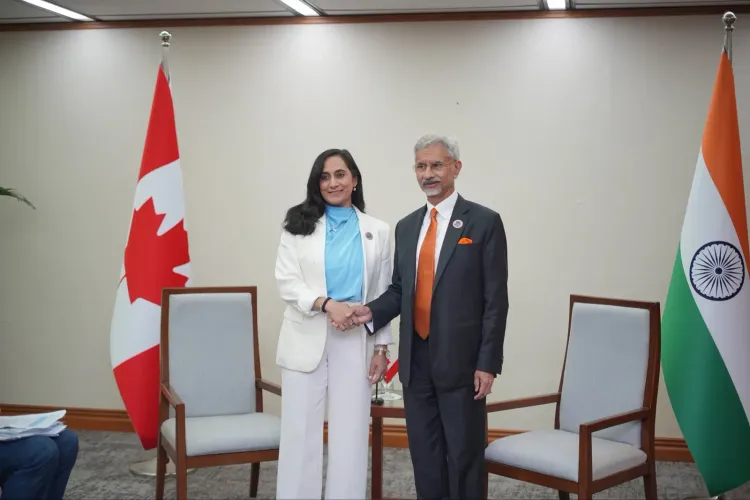
Jaishankar meets Canada FM Anita Anand in Manila, cites growing India-Canada ties
Synopsis
Jaishankar's Manila visit wasn't just an ASEAN stopover — it was a diplomatic sprint. In a single two-day window, he met the foreign ministers of Canada, the US, Russia, Singapore, and Australia, signalling India's intent to hold simultaneous working relationships across every major geopolitical axis, even as the India-Canada reset moves cautiously forward.
Key Takeaways
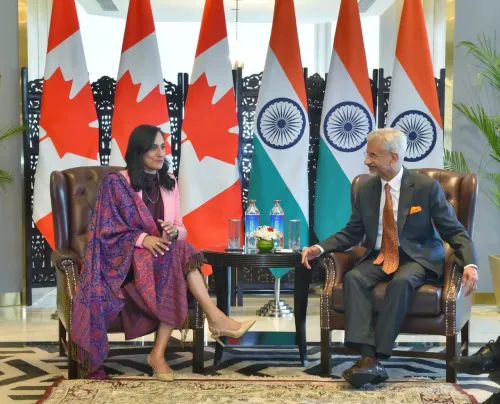
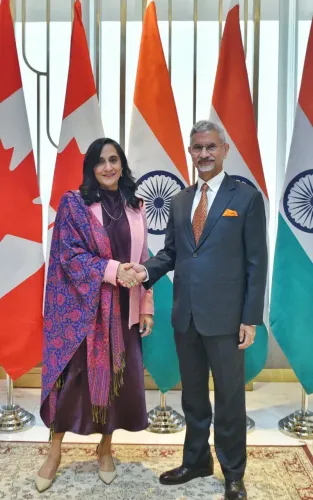
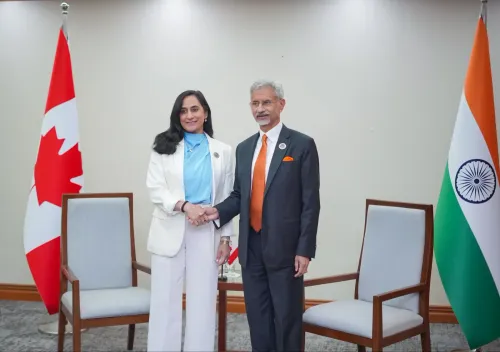
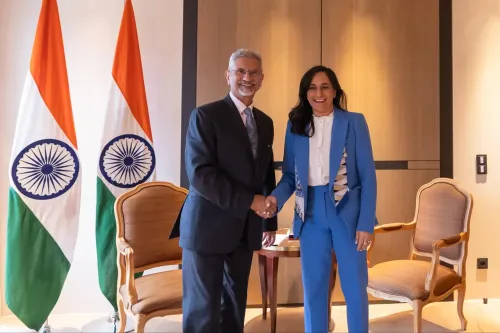
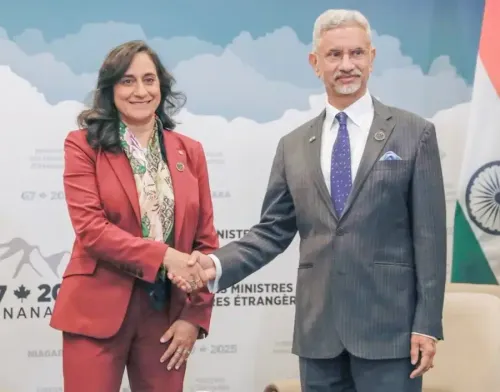
Jaishankar met Canadian FM Anita Anand in Manila on 22 July , affirming India-Canada cooperation is 'steadily growing.' Talks focused on goals set by PM Narendra Modi and Canadian PM Mark Carney for the bilateral relationship.
Jaishankar also met US Secretary of State Marco Rubio , covering trade, energy, defence, critical minerals, and AI under the India-US Comprehensive Global Strategic Partnership.
In his meeting with Russian FM Sergei Lavrov , Jaishankar reiterated India's 'strong concern' over the safety of Indian seafarers and discussed the Ukraine conflict and Gulf situation.
He also held meetings with Singapore FM Vivian Balakrishnan and Australian FM Penny Wong , the latter focused on outcomes of PM Modi's recent Australia visit.
Jaishankar is on a two-day visit to the Philippines for ASEAN framework discussions.
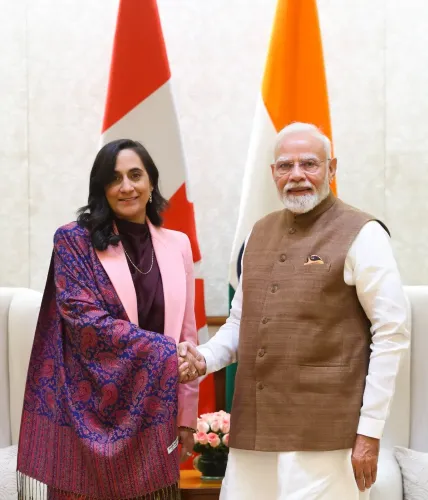
External Affairs Minister S. Jaishankar held a bilateral meeting with Canadian Foreign Minister Anita Anand in Manila on Wednesday, 22 July, on the sidelines of ASEAN framework discussions, reaffirming that India-Canada cooperation is on an upward trajectory. The meeting is the latest signal of diplomatic thaw between the two countries following a prolonged period of strain.
What Jaishankar Said
'India-Canada cooperation has been steadily growing. Our conversation focused on achieving the goals for the relationship set by our Prime Ministers,' Jaishankar said in a post on X, referring to the shared agenda set by Prime Minister Narendra Modi and Canadian Prime Minister Mark Carney. The framing — centred on deliverables tied to both leaders — suggests the bilateral reset is being driven from the top.
A Packed Diplomatic Schedule in Manila
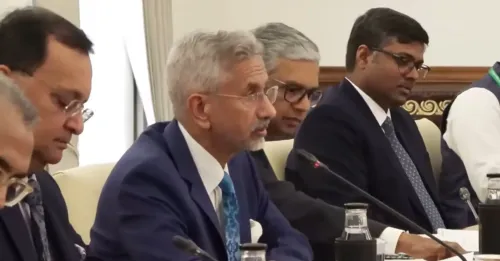
Jaishankar used his two-day Philippines visit to hold a series of high-stakes bilateral meetings. He met US Secretary of State Marco Rubio, with discussions covering trade and tariffs, energy, defence and security, critical minerals, and artificial intelligence — all flagged as priority areas under the India-US Comprehensive Global Strategic Partnership. He also exchanged views on regional, global, and multilateral issues of shared interest.
The EAM met Russian Foreign Minister Sergei Lavrov, during which he reiterated India's 'strong concern regarding the safety of Indian seafarers in the region.' The two ministers reviewed bilateral ties spanning trade and investment, energy, connectivity, science and technology, and mobility, and also exchanged views on the Ukraine conflict and the Gulf situation.
A meeting with Singaporean Foreign Minister Vivian Balakrishnan over lunch saw Jaishankar express appreciation for Balakrishnan's regional and global assessments. He also met Australian Foreign Minister Penny Wong, following up on outcomes from Prime Minister Modi's recent visit to Australia.
Context: India-Canada Relations
India-Canada ties had deteriorated sharply in late 2023 following allegations by Ottawa linking Indian officials to the killing of a Canadian citizen — allegations New Delhi rejected. The bilateral relationship has been on a cautious path toward normalisation since Mark Carney assumed office as Canadian Prime Minister, with both sides signalling willingness to move past the impasse. The Manila meeting, and its publicly affirmed tone, marks a visible step in that direction.
What the Manila Meetings Signal
The breadth of Jaishankar's bilateral engagements — spanning the US, Russia, Canada, Singapore, and Australia in a single visit — underscores India's active multi-alignment posture. Notably, meeting Lavrov and Rubio within the same diplomatic window reflects New Delhi's continued effort to maintain working relationships across geopolitical fault lines. The ASEAN setting also positions India as a consistent stakeholder in Indo-Pacific regional architecture.
Further details on specific outcomes from the Manila meetings are expected to emerge through official readouts in the coming days.
Point of View
Trade negotiations, and a credible framework for addressing security concerns on both sides. Meanwhile, Jaishankar meeting Lavrov and Rubio in the same city on the same day is the clearest illustration yet of India's multi-alignment doctrine in action — a posture that buys strategic flexibility but increasingly demands careful message management with each partner.
NationPress
21 Oct 2026
Frequently Asked Questions
Why did Jaishankar meet Anita Anand in Manila?
EAM S. Jaishankar met Canadian FM Anita Anand on 22 July in Manila on the sidelines of ASEAN framework discussions. The meeting focused on advancing the goals set by PM Narendra Modi and Canadian PM Mark Carney for the India-Canada relationship, which has been on a path toward normalisation after a period of significant diplomatic strain.
What is the current state of India-Canada relations?
India-Canada ties deteriorated sharply in late 2023 following Ottawa's allegations linking Indian officials to the killing of a Canadian citizen — allegations India rejected. Relations have been cautiously improving since Mark Carney became Canadian Prime Minister, with the Manila meeting representing a visible step in that reset.
Who else did Jaishankar meet in Manila?
During his two-day Philippines visit, Jaishankar held bilateral meetings with US Secretary of State Marco Rubio, Russian FM Sergei Lavrov, Singaporean FM Vivian Balakrishnan, and Australian FM Penny Wong, in addition to Canadian FM Anita Anand.
What did Jaishankar discuss with Sergei Lavrov?
Jaishankar met Russian FM Lavrov to review bilateral ties covering trade, investment, energy, connectivity, science and technology, and mobility. He reiterated India's strong concern over the safety of Indian seafarers in the region, and the two also exchanged views on the Ukraine conflict and the Gulf situation.
What was discussed in the Jaishankar-Rubio meeting?
Jaishankar and US Secretary of State Marco Rubio focused on priority areas under the India-US Comprehensive Global Strategic Partnership, including trade and tariffs, energy, defence and security, critical minerals, and artificial intelligence, alongside regional and multilateral issues of shared interest.