US Democrats warn Trump's Iran war risks another Middle East quagmire
Synopsis
A Senate hearing on Trump's $1.5 trillion defence budget turned into a sharp bipartisan reckoning over the Iran war's $29 billion cost, a blocked Strait of Hormuz, and no clear endgame — with Democrats warning the US is repeating the strategic mistakes of Iraq and Afghanistan.
Key Takeaways
Democratic senators warned the Trump administration risks a prolonged Middle East conflict at a Senate Appropriations Subcommittee on Defence hearing.
The Iran conflict has already cost an estimated $29 billion , according to Pentagon officials, with the final bill expected to rise.
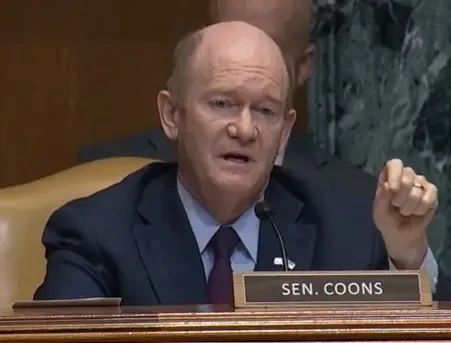
Senator Chris Coons challenged Secretary Pete Hegseth over the administration's failure to reopen the Strait of Hormuz , which has driven up global oil prices.
Senator Patty Murray accused the administration of seeking a half a trillion dollar increase to the war budget at the expense of domestic needs.
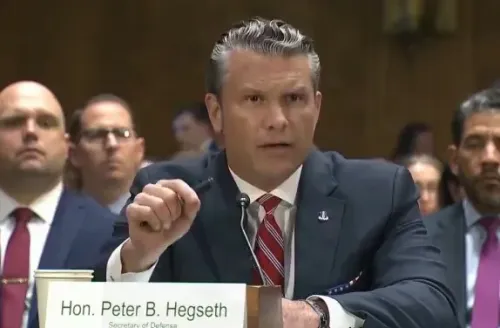
Secretary Hegseth defended the campaign as necessary to prevent Iran from acquiring a nuclear weapon, claiming the US has "more leverage than we've ever had." Lawmakers raised concerns about the conflict's legal authority and whether Congress should pass a formal Authorisation for Use of Military Force (AUMF) .
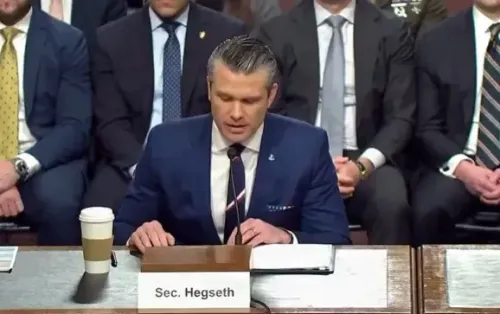
Democratic senators on Tuesday warned that the Trump administration risks dragging the United States into another prolonged Middle East conflict, as a tense Senate Appropriations Subcommittee on Defence hearing exposed deep divisions over the ongoing war with Iran and its escalating economic and military costs.
Key Developments at the Senate Hearing
The hearing centred on President Donald Trump's proposed $1.5 trillion defence budget. Several Democratic lawmakers drew pointed comparisons to past US wars in Iraq and Afghanistan, questioning whether the administration had any coherent long-term strategy for the Iran conflict.
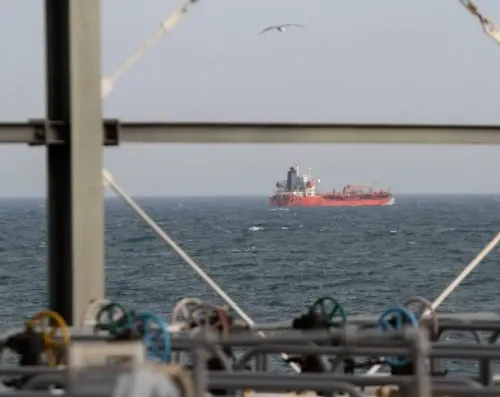
Senator Chris Coons challenged Secretary of War Pete Hegseth repeatedly over the administration's failure to reopen the Strait of Hormuz, where ongoing Iranian pressure on shipping has driven up oil and fuel prices globally. "There used to be a consensus in national security, that America should only go to war when there's an imminent threat to our national security, when all other options have been exhausted, and when we have clear objectives and a plan for how it ends," Coons said. He added: "My concern, Mr Secretary, is that you've achieved a series of tactical successes but are on the verge of a strategic loss."
Democrats Challenge Strategy and Legal Authority
Senator Christopher Murphy warned that the administration was underestimating Iran's capacity to endure sustained economic and military pressure. "This is a high-risk strategy," Murphy said, cautioning that Iran might withstand sanctions and military action for years while American families bore the brunt of soaring fuel costs. He argued that "time is not on our side here" as rising oil prices were already hurting US farmers and households.
Senator Patty Murray sharply criticised the scale of the Pentagon's budget request, accusing the administration of prioritising military spending over domestic needs. "You're spending families' hard-earned tax dollars on a war that many strongly oppose," Murray said. "You want to increase the war budget for the next year by half a trillion dollars." She invoked former President Dwight Eisenhower's warning about the costs of military expansion, saying the proposed defence budget would leave Americans "cold and hungry to fund Trump's war."
Democrats also pressed the administration on its legal authority for the conflict. Senator Lisa Murkowski questioned whether the administration should seek a formal Authorisation for Use of Military Force (AUMF) from Congress as military deployments continued across the region.
What the Administration Said
Hegseth defended the administration's conduct throughout the hearing, arguing that President Trump had succeeded where previous administrations had failed. "We have more leverage than we've ever had," Hegseth said, insisting the campaign was essential to prevent Iran from acquiring a nuclear weapon.
The Financial and Strategic Cost
The Iran conflict has already cost an estimated $29 billion, according to Pentagon officials, with lawmakers warning the final bill could rise significantly as military operations continue and damage to US facilities across the Middle East becomes clearer. This comes amid broader US balancing acts involving tensions with China, Russia, and ongoing support for Ukraine — raising fears in Washington that resources and strategic attention are being stretched dangerously thin.
Notably, the hearing reflects a growing pattern: each successive Middle East escalation has prompted the same congressional questions about exit strategies and legal authorisation — questions that have rarely produced binding constraints on executive war-making. Whether this Congress acts differently remains the defining question ahead.
Point of View
Buried in veterans' care, equipment replacement, and regional stabilisation funds. More critically, the Strait of Hormuz remains closed, which means the administration's claimed 'leverage' has not yet translated into the one outcome that would ease pressure on American households. Democrats are right to press on strategy, but their leverage too is limited — no AUMF vote has been scheduled, and the constitutional war-powers debate has a long history of resolving in the executive's favour.
NationPress
26 Sept 2026
Frequently Asked Questions
Why are US Democrats warning against the Iran war?
Democratic senators warn that the Trump administration lacks a clear long-term strategy for the Iran conflict, comparing it to past US wars in Iraq and Afghanistan. They argue that tactical military gains are being made without a political plan for how the conflict ends, while American families bear rising fuel costs.
How much has the US-Iran conflict cost so far?
The Iran conflict has cost an estimated $29 billion, according to Pentagon officials. Lawmakers have warned the final financial burden could rise significantly as military operations continue and damage to US facilities across the Middle East is fully assessed.
What is the dispute over the Strait of Hormuz?
Senator Chris Coons pressed Secretary Pete Hegseth over the administration's inability to reopen the Strait of Hormuz, a critical global shipping lane where Iranian pressure has driven up oil and fuel prices worldwide. Critics argue this represents a strategic failure despite tactical military successes.
What is the Trump administration's defence budget request?
President Donald Trump has proposed a $1.5 trillion defence budget, which Democrats say includes a half-trillion-dollar increase in war spending. Senator Patty Murray criticised the proposal as prioritising military expenditure over domestic needs.
Has Congress authorised the war against Iran?
No formal Authorisation for Use of Military Force has been passed by Congress for the Iran conflict. Senator Lisa Murkowski and other lawmakers questioned whether the administration should seek such authorisation as military deployments continue across the region.