Hegseth vs Senate: Iran war, $1.5 trillion defence budget clash
Synopsis
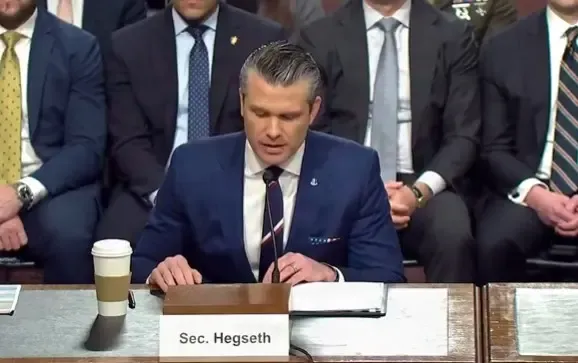
Pete Hegseth faced a Senate buzzsaw on 1 May — senators called the Iran war 'stuck', the Strait of Hormuz still closed, and the $1.5 trillion defence budget figure 'pulled out of thin air'. With a $25 billion war tab confirmed and civilian casualty questions unanswered, Washington's consensus on the conflict is visibly fracturing.
Key Takeaways
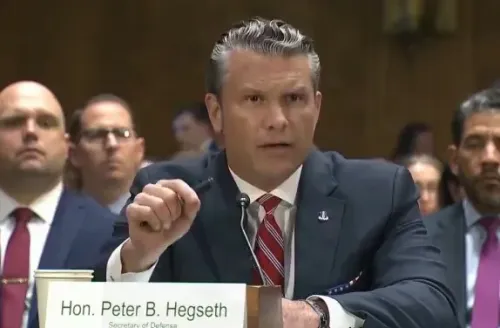
Pete Hegseth clashed with senators at the Senate Armed Services Committee on 1 May over the Iran war and defence spending.
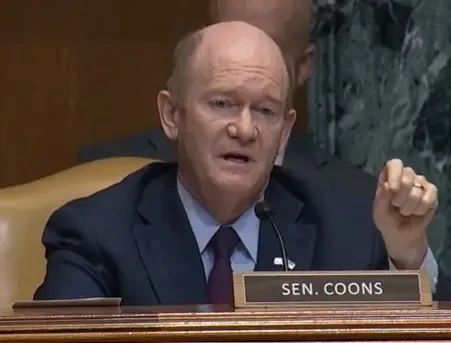
The proposed $1.5 trillion defence budget was called "pulled out of thin air" by Senator Mark Kelly ; Hegseth defended it as a "highly rigorous" figure.
Defence comptroller Jules Hurst confirmed an initial war cost estimate of $25 billion , with senators suggesting the real figure could be significantly higher.
Senator Kirsten Gillibrand cited rising fuel and food prices, saying Americans were "furious" about the war's economic impact.
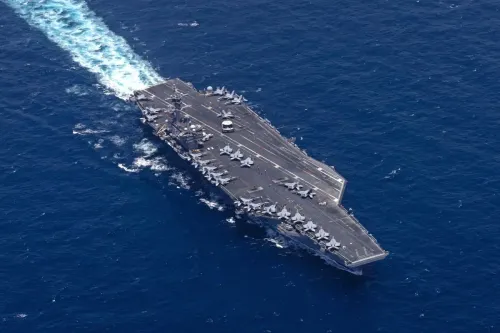
The Strait of Hormuz remains closed, and Senator Kelly said the war's goal remains unclear.
Joint Chiefs Chairman Dan Caine avoided political disputes, stressing his role in providing nonpartisan military advice.
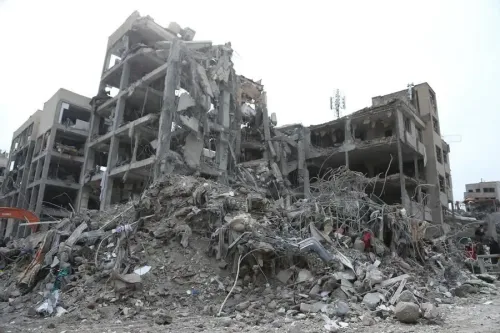
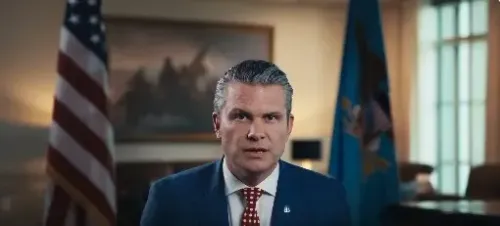
US Secretary of Defense Pete Hegseth faced sharp questioning from Democratic and independent senators at the Senate Armed Services Committee on 1 May, as deep divisions erupted over the ongoing Iran war, civilian casualties, and a proposed $1.5 trillion defence budget. The hearing laid bare Washington's fractured consensus on military strategy and the economic toll of the conflict.
Reed Leads the Charge
Ranking Member Jack Reed opened the attack, accusing the administration of entering an "unwise" conflict without a clear strategy. "Today, our nation is in a war strategic position," Reed said, pointing to casualties, damaged infrastructure, and economic fallout. He warned that the administration's claims of victory were "dangerously exaggerated."
Hegseth rejected the criticism outright. "Our military objectives have been stunningly effective," he said, arguing that Iran's defence capabilities had been significantly degraded. The exchange immediately set the tone for a contentious session.
Economic Fallout and Civilian Casualties
Senator Kirsten Gillibrand said Americans were "furious" about the war's economic impact, citing rising fuel and food prices. "How much more are we asking the American people to pay for this war?" she asked. Hegseth pushed back, framing the mission as essential to counter Iran's nuclear ambitions. "What is the cost of a nuclear-armed Iran?" he responded.
Gillibrand also questioned reports of strikes hitting schools and hospitals, pressing Hegseth on safeguards for civilians. Hegseth insisted the US military "never targets civilians" and takes extensive measures to minimise harm. The exchange reflected broader unease about rules of engagement as the conflict has expanded in scope.
Strategic Concerns and the Strait of Hormuz
Senator Mark Kelly raised concerns about the scale of military operations and the strain on US weapons stockpiles, noting that thousands of strikes had been carried out. "This war is stuck," Kelly said, adding that the Strait of Hormuz remained closed and that it was "not clear… what the goal of this war is." Hegseth said the military had achieved its objectives and was rapidly rebuilding capacity, though he offered no specific timeline.
Legal Questions and the War Powers Resolution
Senator Tim Kaine raised legal concerns, citing the War Powers Resolution and asking whether the administration would seek formal congressional authorisation for the conflict. Hegseth deferred to the White House, saying a ceasefire meant the "60-day clock pauses or stops" — a response critics argued sidestepped the constitutional question entirely.
The $1.5 Trillion Budget Under Scrutiny
The proposed $1.5 trillion defence budget drew pointed scepticism. Kelly questioned whether the figure was justified, suggesting it appeared "pulled out of thin air." Hegseth countered that it was the result of a "highly rigorous process" reflecting global threats and years of underinvestment.
Defence comptroller Jules Hurst confirmed an initial war cost estimate of $25 billion, though several senators argued the true figure could be far higher. Throughout the hearing, Joint Chiefs Chairman Dan Caine largely avoided political disputes, emphasising his role in providing "clear and candid, nonpartisan military advice."
The confrontations come as the US simultaneously navigates rising tensions with China and Russia, raising broader questions about the sustainability of long-term military commitments abroad. How Washington resolves these divisions — on Iran, on spending, and on constitutional authority — will likely shape US defence posture for years to come.
Point of View
A $25 billion confirmed tab, a closed Strait of Hormuz, and no articulated end-state suggest the administration is managing optics more than outcomes. The $1.5 trillion budget figure, unmoored from a clear strategic doctrine, risks normalising defence spending at a scale that crowds out every other national priority.
NationPress
19 Sept 2026
Frequently Asked Questions
Why did Pete Hegseth clash with senators at the Senate hearing?
Hegseth faced sharp criticism from Democratic and independent senators over the administration's handling of the Iran war, civilian casualty reports, and the proposed $1.5 trillion defence budget. Senators questioned the war's goals, its economic cost, and the legal basis for continued military action without formal congressional authorisation.
What is the estimated cost of the US war with Iran?
Defence comptroller Jules Hurst confirmed an initial estimate of $25 billion for the war's cost. Several senators argued the true figure could be significantly higher, and the $1.5 trillion overall defence budget proposal drew additional scrutiny.
Why is the Strait of Hormuz significant in this context?
The Strait of Hormuz is a critical global oil shipping lane, and its closure has direct consequences for fuel prices and global energy markets. Senator Mark Kelly cited the strait's continued closure as evidence that the war's objectives remain unmet.
What legal concerns were raised about the Iran conflict?
Senator Tim Kaine invoked the War Powers Resolution, which requires the president to seek congressional authorisation for military action beyond 60 days. Hegseth deferred to the White House, suggesting a ceasefire pauses the 60-day clock — a position critics said sidesteps the constitutional question.
Who is Dan Caine and what role did he play in the hearing?
Dan Caine is the Chairman of the Joint Chiefs of Staff. During the hearing, he largely stayed out of political disputes and emphasised his commitment to providing clear, candid, and nonpartisan military advice to civilian leadership.