US Democrats demand Iran deal transparency after Trump's announcement
Synopsis
Less than 24 hours after Trump declared a US-Iran deal, congressional Democrats — led by Schumer, Kaine, and Shaheen — are demanding to see the actual text. With Iran's nuclear programme, sanctions relief, and troop deployments all reportedly unresolved, the gap between the announcement and the details is the story.
Key Takeaways
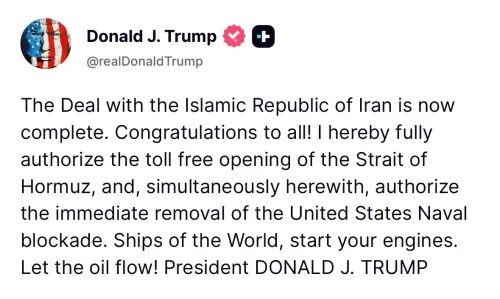
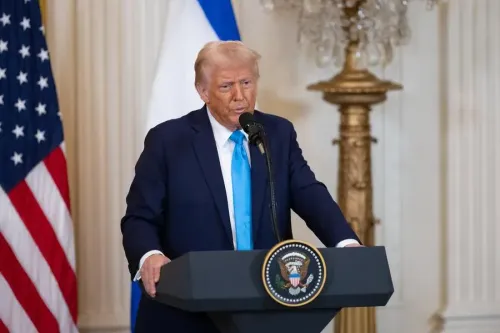
President Donald Trump announced a US-Iran agreement on 16 June , but key terms remain publicly undisclosed nearly 24 hours later.
Senate Democratic Leader Chuck Schumer demanded Congress and the public be briefed immediately, warning the deal's details are still unknown.
Senator Tim Kaine noted the US-Iran conflict has passed the 100-day mark , calling it 'an entirely unnecessary war.' Senator Jeanne Shaheen , ranking member of the Senate Foreign Relations Committee , said key conflict objectives — including ending Iran's nuclear programme — remain unmet.
Congresswoman Betty McCollum described the framework as 'a tenuous sixty-day extension of the existing ceasefire,' not a resolution.
Republican Congresswoman Nancy Mace offered support, expressing hope for 'real, lasting peace in the Middle East.'
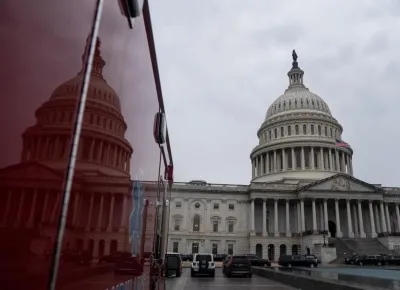
Congressional Democrats on 16 June demanded immediate disclosure of the terms of a reported United States-Iran agreement, less than 24 hours after President Donald Trump declared a deal had been reached. Lawmakers warned that Congress cannot evaluate an accord whose key provisions remain undisclosed to the public and to elected representatives.
Schumer Leads the Push for Disclosure
Senate Democratic Leader Chuck Schumer took to the Senate floor to press the administration for details, saying neither lawmakers nor the American public had been briefed nearly a full day after the announcement.
'Now, it's been nearly 24 hours since Trump announced there was a potential deal with Iran, and we still don't know the details,' Schumer said. 'We've been told dozens of times that this war is over, and dozens of times we've been disappointed.'
Schumer also questioned the administration's plans for American forces in the region and the proposed framework for continued negotiations. 'Will our troops remain in harm's way? How does Trump plan to achieve any of the stated goals of his reckless war? What is the plan for the proposed '60 days of negotiations'?' he asked. He argued that the conflict had left the United States in a strategically weaker position, with Iran holding greater control over the Strait of Hormuz and gasoline prices remaining significantly elevated compared to pre-war levels.
Senate Democrats: Welcome Progress, Demand Scrutiny
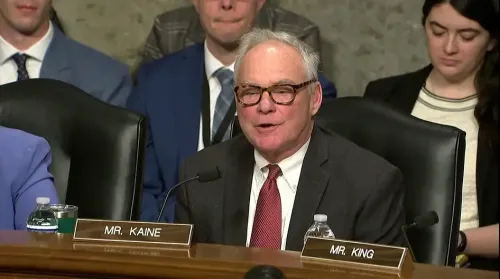
Senator Tim Kaine of Virginia welcomed what he described as 'news of progress in talks to end the war between the United States and Iran, which has now passed the 100-day mark.' However, he cautioned that any diplomatic movement 'won't bring back those who lost their lives, nor will it bring gas prices back to pre-war levels.' Kaine, who called the conflict 'an entirely unnecessary war,' stressed that 'diplomacy is the only real path to ensure Iran never gets a nuclear weapon' and urged that any financial or sanctions relief be carefully scrutinised.
Senator Jeanne Shaheen, the ranking Democrat on the Senate Foreign Relations Committee, said 'diplomatic progress is welcome and long overdue' but raised substantive concerns. 'The key objectives of this conflict have not been met, from changing the regime to ending Iran's nuclear program and reducing its capacity to threaten its neighbors through drones, missiles and proxies,' she said. Shaheen added that Congress is legally required to review any nuclear accord and must be briefed on the agreement's terms immediately.
House Democrats Flag a 'Tenuous' Framework
In the House of Representatives, Congresswoman Betty McCollum was more pointed in her critique, characterising the announced framework as 'just a tenuous sixty-day extension of the existing ceasefire.' She argued that the agreement 'does nothing to resolve the most critical issues in this conflict, such as the status of the Iranian nuclear program, ballistic missile programs, frozen Iranian financial assets, or imposed US sanctions,' warning that without progress on those fronts, 'long-term peace and stability in the region will remain out of reach.'
A Lone Republican Voice of Support
Not all responses were critical. Republican Congresswoman Nancy Mace offered a more supportive statement, saying: 'After hearing the news of a deal with Iran, we are praying for real, lasting peace in the Middle East. We stand with our troops, recognize their courage and sacrifice, and pray for their safe return home.'
What Comes Next
The administration has reportedly proposed a 60-day negotiation window, but the precise terms of any agreement — including provisions on Iran's nuclear programme, sanctions relief, and the status of US forces — remain publicly unconfirmed. Congressional Democrats have made clear they intend to use their oversight role to demand a full briefing, with the Senate Foreign Relations Committee positioned as a key venue for that scrutiny.
Point of View
But their credibility on this depends on whether they pursue formal oversight mechanisms or settle for floor speeches. The '60-day negotiation window' framing, if accurate, also raises the question of whether what was announced is a deal at all, or a pause dressed up as a breakthrough.
NationPress
23 Sept 2026
Frequently Asked Questions
What did President Trump announce regarding Iran?
President Trump declared that the United States had reached an agreement with Iran, but the specific terms of the accord — including provisions on Iran's nuclear programme, sanctions, and troop deployments — had not been publicly disclosed as of 16 June, nearly 24 hours after the announcement.
Why are US Democrats demanding transparency on the Iran deal?
Congressional Democrats, led by Senate Minority Leader Chuck Schumer, say neither lawmakers nor the public have been briefed on the deal's details. They argue Congress cannot evaluate — or legally approve — a nuclear accord it has not seen, and that key objectives of the conflict remain unmet.
What concerns did Senator Jeanne Shaheen raise about the agreement?
Senator Shaheen, the ranking Democrat on the Senate Foreign Relations Committee, said the deal's key objectives — ending Iran's nuclear programme, changing the regime, and reducing Iran's capacity to threaten neighbours — have not been met. She also noted that Congress is legally required to review any nuclear deal.
What did Congresswoman Betty McCollum say about the framework?
McCollum characterised the announced framework as 'a tenuous sixty-day extension of the existing ceasefire,' arguing it does nothing to resolve critical issues including Iran's nuclear and ballistic missile programmes, frozen Iranian financial assets, or US sanctions.
How long has the US-Iran conflict been ongoing?
According to Senator Tim Kaine, the conflict between the United States and Iran had passed the 100-day mark as of 16 June. Kaine called it 'an entirely unnecessary war' and said diplomacy is the only credible path to preventing Iran from acquiring a nuclear weapon.