Trump Announces Completed Deal with Iran
Synopsis
The White House announced on June 14, 2026 that President Trump has declared a deal with the Islamic Republic of Iran complete. The announcement ends years of diplomatic rupture following the 2018 US withdrawal from the JCPOA, though specific terms remain undisclosed. Congressional review and IAEA verification are expected next.
Key Takeaways
Trump declared on June 14, 2026 that a deal with the Islamic Republic of Iran is 'now complete.' The United States withdrew from the previous JCPOA nuclear framework in May 2018 under Trump's first term, imposing maximum-pressure sanctions.
Specific terms, signatories, and verification mechanisms of the new deal have not been publicly disclosed.
Congressional review under the Iran Nuclear Agreement Review Act is a likely next step.
The IAEA and European powers will be key to assessing compliance and the deal's relationship to the original JCPOA architecture.
For India , a durable US-Iran deal could reopen access to Iranian crude oil imports constrained by sanctions.
The White House announced on Sunday, June 14, 2026, that President Donald J. Trump has declared a deal with the Islamic Republic of Iran complete, marking what would be a landmark development in US-Iran relations after years of diplomatic rupture and sanctions pressure.
Context
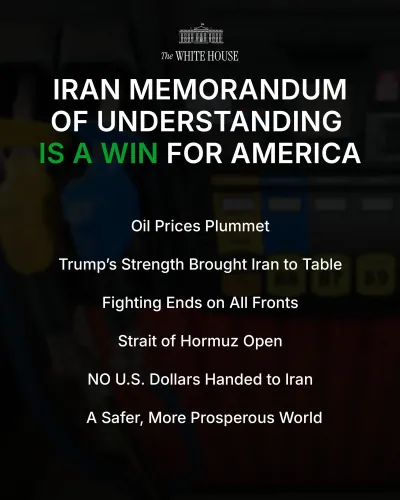
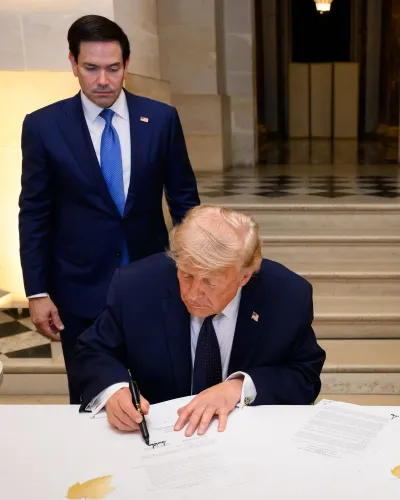
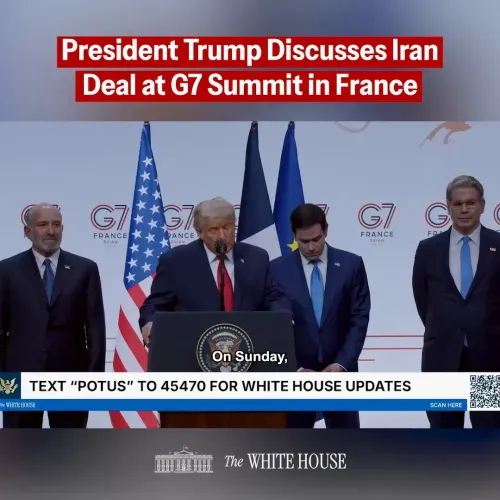
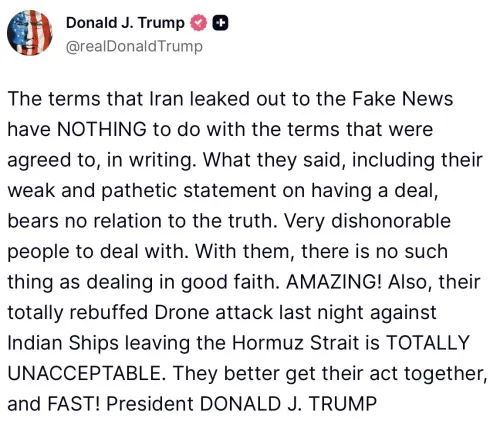
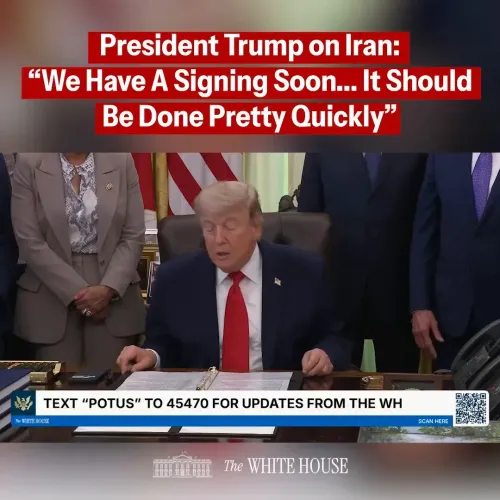
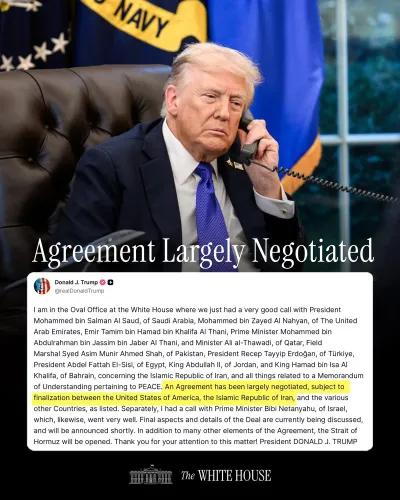
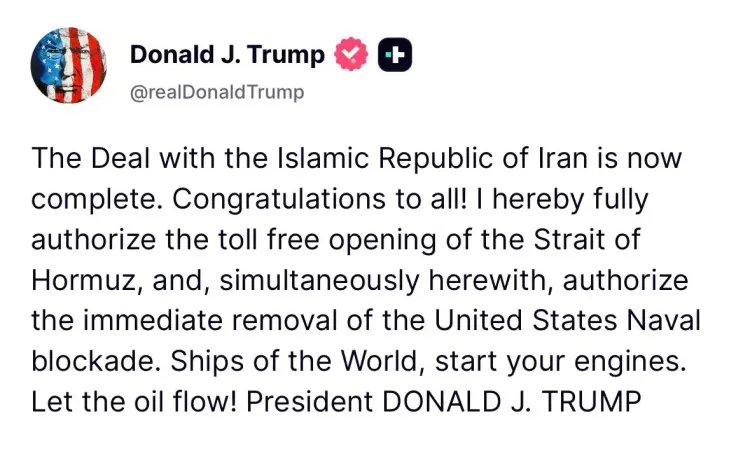
In a post shared from the official White House account, President Trump stated: 'The Deal with Islamic Republic of Iran is now complete. Congratulations to all!' The announcement, brief and unelaborated, was accompanied by an image and signals a significant shift in the posture of the United States toward Tehran.
The declaration comes after decades of contested diplomacy over Iran's nuclear programme. The last major multilateral framework — the Joint Comprehensive Plan of Action (JCPOA) — was agreed in July 2015 between Iran and the P5+1 powers, placing limits on Iranian uranium enrichment in exchange for sanctions relief.
Policy Backdrop
During his first term (2017–2021), President Trump withdrew the United States from the JCPOA in May 2018, reimposing sweeping sanctions under a 'maximum pressure' strategy aimed at compelling Tehran to accept more stringent restrictions on its nuclear and ballistic missile activities.
Subsequent years saw repeated rounds of indirect and direct negotiations, with European powers, China, and Russia attempting to revive or replace the original framework. Iran progressively expanded its enrichment capacity during this period, raising concerns among Gulf allies and Western governments about its proximity to weapons-grade material.
A new deal announced by President Trump in his second term would represent a dramatic reversal of the maximum-pressure posture and could reshape the strategic calculus across the Middle East.
Stakeholders and Impact
US diplomatic teams and Iranian negotiators are the primary parties to the agreement, though the specific terms, signatories, and verification mechanisms have not been detailed in the announcement. Gulf Arab allies, particularly Saudi Arabia and the United Arab Emirates, have historically viewed any accommodation with Tehran with caution, given regional rivalries.
European signatories to the original JCPOA — the United Kingdom, France, and Germany — as well as China and Russia, will be closely watching whether this new agreement supersedes, complements, or diverges from the multilateral architecture they helped build. The International Atomic Energy Agency (IAEA) will be a key body in any compliance and verification framework.
For India, which imports oil and maintains significant trade and diaspora ties with both Iran and the United States, the development carries direct economic and strategic implications. Indian energy importers had been constrained by US sanctions on Iranian crude; a durable deal could reopen those supply lines.
What's Next
The announcement is expected to trigger a Congressional review process, with lawmakers on both sides of the aisle likely to scrutinise the terms and durability of the agreement. Under the Iran Nuclear Agreement Review Act, Congress has a defined window to assess and potentially disapprove of major nuclear accords with Tehran.
IAEA inspectors will be central to verifying any commitments Iran makes on enrichment limits, centrifuge numbers, and access to declared and undeclared sites. Statements from European and Chinese signatories to the original JCPOA will clarify whether this new deal is bilateral or part of a broader multilateral framework. The full text and conditions of the agreement are yet to be made public.
Point of View
Arriving after years of maximum-pressure sanctions that his own first term imposed. If verified, it would mark one of the sharpest reversals in recent US foreign policy — a president who tore up the 2015 JCPOA now claiming credit for a successor agreement. The absence of published terms is conspicuous: Congress, the IAEA, and Gulf allies will demand specifics before treating this as durable. For the broader non-proliferation order, the deal's architecture — whether bilateral or multilateral — will determine whether it holds beyond a single administration.
NationPress
13 Sept 2026
Frequently Asked Questions
What is the Trump Iran deal announced in June 2026?
President Donald J. Trump declared on June 14, 2026 that a deal with the Islamic Republic of Iran is 'now complete,' according to a White House post. Specific terms and conditions of the agreement have not yet been made public.
How does this differ from the JCPOA?
The original JCPOA was a 2015 multilateral agreement between Iran and the P5+1 powers limiting nuclear activities in exchange for sanctions relief. Trump withdrew the US from it in 2018. Whether the new deal replaces or builds on that framework is not yet clear.
What happens next after Trump's Iran deal announcement?
A Congressional review under the Iran Nuclear Agreement Review Act is expected, along with scrutiny from the IAEA on verification and compliance. Statements from European, Chinese, and Russian parties to the original JCPOA will also clarify the deal's multilateral status.
How does the US-Iran deal affect India?
India, which has historically imported Iranian crude oil, was constrained by US sanctions reimposed after the 2018 JCPOA withdrawal. A durable new deal could potentially reopen those energy supply lines for Indian importers.
What was Trump's previous policy on Iran?
During his first term from 2017 to 2021, President Trump pursued a 'maximum pressure' policy against Iran, withdrawing from the JCPOA in May 2018 and reimposing sweeping sanctions to compel Tehran to accept stricter nuclear and missile restrictions.