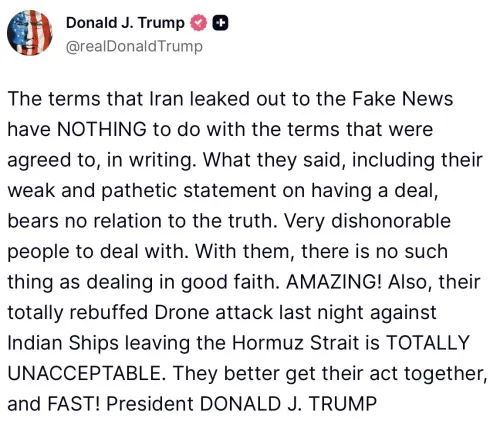
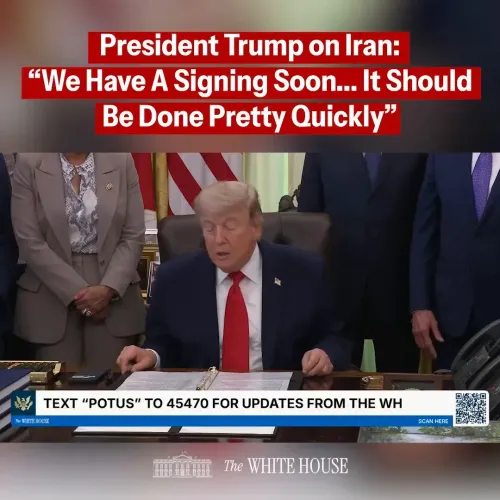
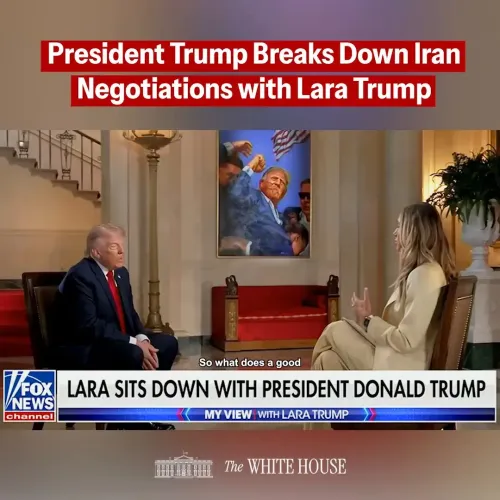
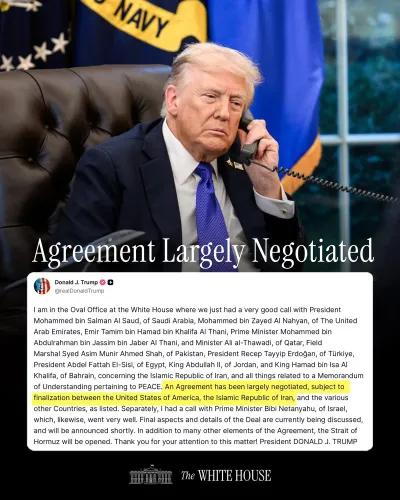
White House Says New Deal Ensures Iran Will Never Get Nuclear Weapon
Synopsis
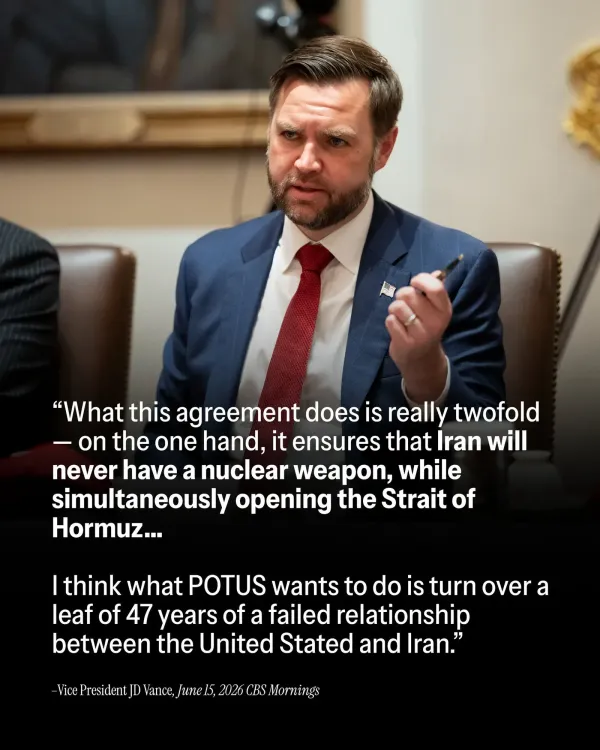
The White House declared on June 15, 2026, that a new agreement ensures Iran will never develop a nuclear weapon. The announcement revives a long-running diplomatic effort that collapsed after the US withdrew from the 2015 JCPOA. Details of the deal's terms and signatories remain to be disclosed.
Key Takeaways
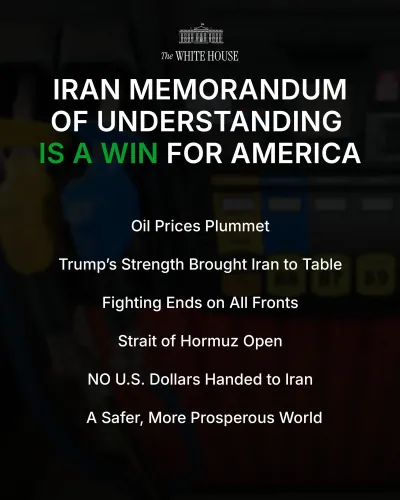
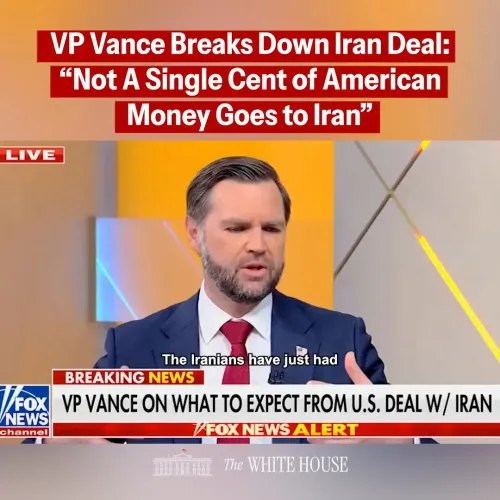
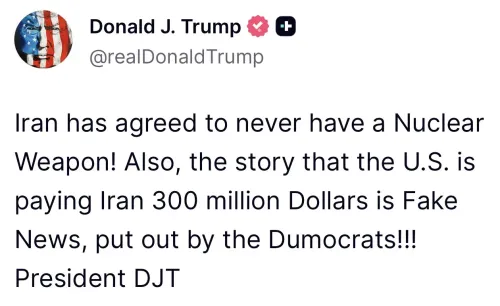
The White House announced on June 15, 2026 , that a new agreement ensures Iran will never have a nuclear weapon.
The last major nuclear framework, the JCPOA , was concluded in July 2015 and the US withdrew from it in May 2018 .
Since the 2018 withdrawal, Iran has expanded its enrichment activities well beyond JCPOA limits.
The IAEA , Gulf states , and Israel are among the key stakeholders who will scrutinise the deal's verification mechanisms.
For India , the agreement has implications for energy imports, sanctions compliance, and West Asia stability.
The agreement's full terms, signatories, and congressional review timeline have not yet been publicly disclosed.
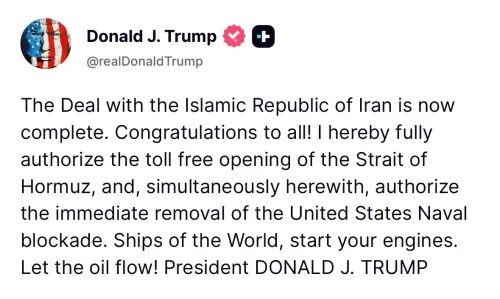
The White House, the official communications account of the Executive Office of the President of the United States, announced on Monday, June 15, 2026, that a new agreement has been reached that it says guarantees Iran will never acquire a nuclear weapon.
Context
The post's declaration — 'The agreement ensures that Iran will never have a nuclear weapon' — marks a significant diplomatic claim by the US administration. The statement does not name a specific treaty or list its signatories, but its language echoes the core objective that has driven decades of international nonproliferation diplomacy toward Tehran.
Iran's nuclear programme has been a central flashpoint in global security for over two decades. The country has long maintained that its nuclear activities are for civilian purposes, while the United States, Israel, and several European powers have sought binding verification mechanisms to prevent weapons development.
Policy Backdrop
The last major multilateral framework governing Iran's nuclear activities was the Joint Comprehensive Plan of Action (JCPOA), concluded in July 2015 between Iran and six world powers. The deal imposed verifiable limits on Iranian enrichment and permitted International Atomic Energy Agency (IAEA) monitoring in exchange for sanctions relief.
The United States withdrew from the JCPOA in May 2018, reimposing sweeping sanctions under a maximum-pressure strategy. In the years that followed, Iran progressively expanded its enrichment activities beyond JCPOA limits, complicating subsequent indirect talks aimed at reviving or replacing the original agreement.
Any new framework would need to address Iran's significantly advanced enrichment posture since 2018, re-establish IAEA inspection access, and navigate a deeply changed geopolitical landscape in the Middle East.
Stakeholders and Impact
Gulf states, particularly Saudi Arabia and the United Arab Emirates, have historically viewed Iran's nuclear ambitions as a direct regional security threat and will be watching closely for the agreement's verification architecture. Israel, which has repeatedly warned it would act unilaterally to prevent a nuclear-armed Iran, is another critical stakeholder whose response will shape regional reactions.
For India, which maintains significant energy and trade ties with Iran while balancing its strategic partnership with the United States, the development carries implications for sanctions compliance, energy imports, and the stability of the broader West Asian region. Indian businesses and the government will be watching whether new sanctions relief or new restrictions emerge from the deal's text.
What's Next
Key markers to watch include IAEA quarterly reports on Iranian enrichment levels, any required congressional review process in the United States, and the formal publication of the agreement's terms. Whether the deal commands multilateral backing — including from Russia, China, the United Kingdom, France, and Germany, the original JCPOA partners — will determine its durability and international legitimacy.
The administration's unequivocal language — 'never' — sets a high public benchmark against which the agreement's verification provisions will be measured by allies, adversaries, and arms-control experts alike.
Point of View
One-sentence declaration — staking out a permanent prohibition rather than a time-bound restriction — signals an intent to frame this agreement as categorically stronger than the JCPOA, which critics said merely delayed rather than eliminated Iran's nuclear potential. The choice to announce via a social media post before releasing treaty text is a deliberate communications move, locking in a maximalist public benchmark before domestic and international scrutiny begins. For the broader nonproliferation order, the credibility of the claim will hinge entirely on the verification architecture: who inspects, how often, and with what consequences for violation. India, positioned as a partner of both Washington and Tehran in different registers, will need to calibrate its response carefully as the deal's sanctions and trade implications become clear.
NationPress
14 Sept 2026
Frequently Asked Questions
What is the new Iran nuclear agreement announced by the White House?
The White House announced on June 15, 2026, that an agreement has been reached that it says ensures Iran will never acquire a nuclear weapon. The full terms and signatories of the deal have not yet been publicly released.
What was the JCPOA and why did the US leave it?
The Joint Comprehensive Plan of Action (JCPOA) was a multilateral nuclear deal signed in July 2015 between Iran and six world powers. The United States withdrew from it in May 2018 and reimposed sanctions under a maximum-pressure strategy.
Does Iran currently have a nuclear weapon?
Iran has not been confirmed to possess a nuclear weapon. However, since 2018 Iran has expanded uranium enrichment activities beyond JCPOA limits, raising international concerns about its breakout timeline.
How does the Iran nuclear deal affect India?
India has significant energy and trade ties with Iran and must comply with US sanctions regimes. Any new agreement that alters sanctions or trade terms will directly affect Indian oil imports, business relationships, and New Delhi's diplomatic balancing act in West Asia.
What role does the IAEA play in Iran nuclear monitoring?
The International Atomic Energy Agency (IAEA) is the UN's nuclear watchdog and is responsible for inspecting and verifying Iran's nuclear facilities. Its quarterly reports on Iranian enrichment levels are a key indicator of compliance with any nuclear agreement.