VP Vance: Iran Must Verifiably Commit to No Nuclear Weapon
Synopsis
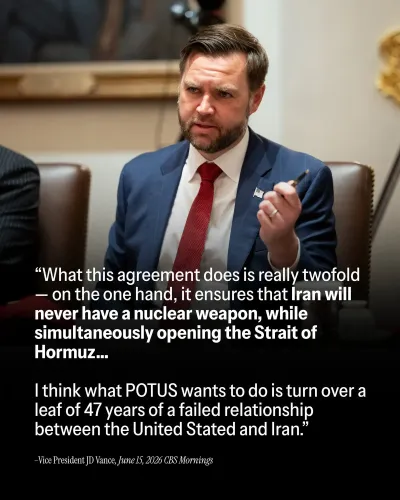
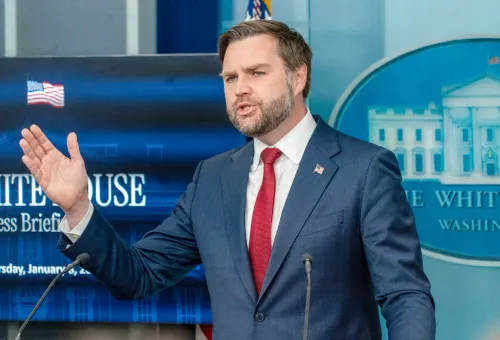
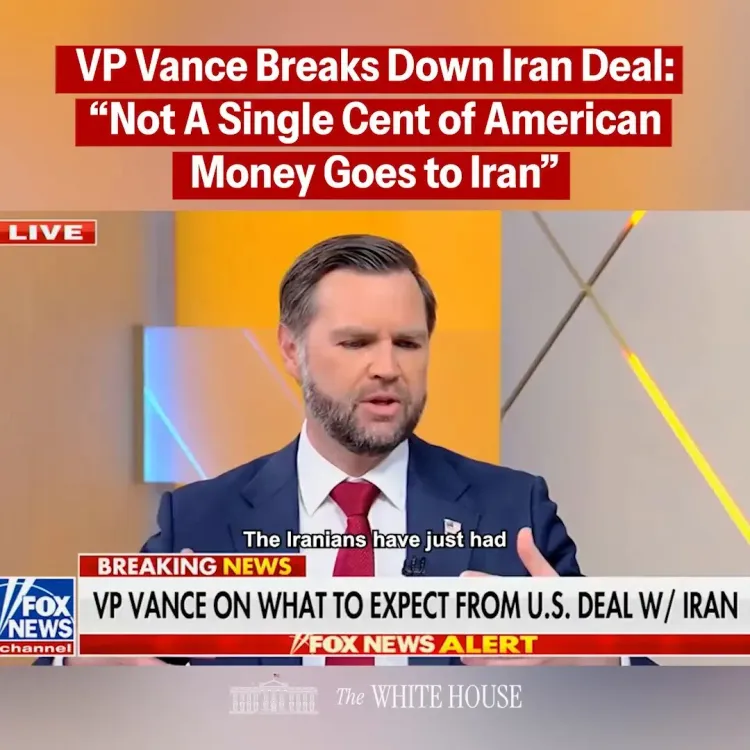
Vice President JD Vance, in remarks shared by the White House on June 16, 2026, declared that a U.S. operation secured a firm, verifiable Iranian commitment to never develop or acquire a nuclear weapon — framing it as the central objective of the entire mission.
Key Takeaways
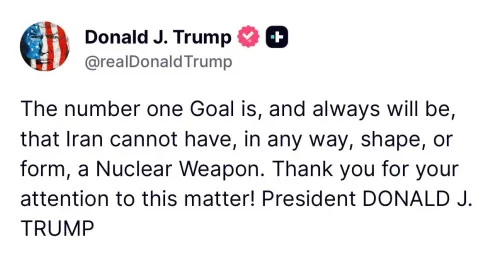
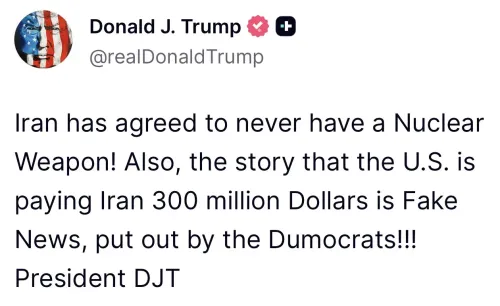
VP JD Vance stated that Iran has made a 'firm commitment backed up by verifiable action' to never develop or buy a nuclear weapon.
Vance described this outcome as 'the whole point of this entire operation,' though the specific operation has not been confirmed through established public records.
The United States withdrew from the JCPOA in 2018 and has since demanded a stronger, verifiable nuclear agreement with Iran .
The IAEA and its inspection mandate will be central to any verification framework underpinning such a commitment.
Gulf allies and Israel have consistently pushed for permanent, verifiable constraints on Iran's nuclear programme.
For India , a durable resolution carries direct implications for energy security and regional stability around the Strait of Hormuz .
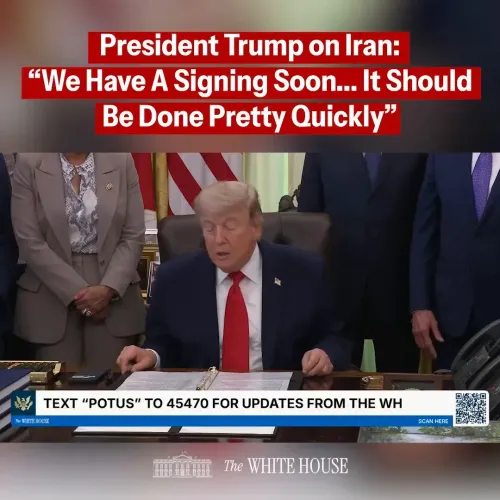
The White House on Tuesday, June 16, 2026 shared a statement by Vice President JD Vance asserting that the objective of a recent U.S. operation against Iran was to secure a firm, verifiable commitment from Tehran to never develop or acquire a nuclear weapon.
Context
Speaking in remarks amplified by the official White House account, VP Vance described the commitment as 'backed up by verifiable action,' framing it not as a diplomatic aspiration but as the central purpose of what he called 'this entire operation.' The statement did not specify the nature of the operation, but its language signals a significant U.S. policy moment on the Iran nuclear file.
The emphasis on verification mirrors longstanding U.S. insistence that any agreement with Iran must go beyond pledges and include mechanisms that can be independently confirmed — a standard that has defined American negotiating positions for over two decades.
Policy Backdrop
The United States withdrew from the Joint Comprehensive Plan of Action (JCPOA) in 2018, the landmark deal struck in 2015 between Iran and the P5+1 powers that placed limits on Tehran's nuclear enrichment in exchange for sanctions relief. Washington then reimposed a 'maximum pressure' sanctions regime aimed at forcing a stronger, longer-lasting agreement.
Successive administrations have oscillated between negotiated frameworks and unilateral economic pressure, but a consistent thread has been the demand for irreversible constraints on Iran's nuclear fuel cycle — not temporary freezes. VP Vance's statement fits squarely within that lineage, though the specific operation he references has not been confirmed through established public records.
Stakeholders and Impact
U.S. allies in the Gulf, particularly Saudi Arabia, the United Arab Emirates, and Israel, have long pressed Washington to ensure any Iran nuclear arrangement is verifiable and permanent rather than time-bound. A credible commitment of the kind Vance describes would be seen as a significant security assurance across the region.
The International Atomic Energy Agency (IAEA), whose inspectors are the primary instrument of nuclear verification, would be central to any enforcement architecture. The agency's ability to conduct snap inspections and access undeclared sites has been a persistent sticking point in past negotiations with Tehran.
For India, which maintains diplomatic ties with both Iran and the United States and relies on the Strait of Hormuz for a significant share of its energy imports, any durable de-escalation of the Iran nuclear standoff carries direct economic and strategic implications.
What's Next
Analysts will watch the upcoming IAEA Board of Governors meetings for any formal reporting on Iran's nuclear activities that could corroborate or complicate the picture VP Vance has drawn. New congressional sanctions legislation targeting Iranian procurement networks is also expected to move in parallel, reflecting bipartisan pressure to maintain leverage.
Whether the commitment Vance describes translates into a formal, treaty-level agreement — with the verification architecture and congressional buy-in that would make it durable — will determine whether this moment marks a genuine turning point or another chapter in a decades-long standoff.
Point of View
Amplified through the official White House channel, suggests the administration wants to set a high public bar that Tehran and domestic critics alike will find difficult to walk back. It also continues a pattern, visible across multiple administrations, of U.S. officials using public statements to lock in diplomatic positions before formal treaty processes begin. Whether the verification architecture to match this rhetoric is in place will be the defining test of the claim's credibility.
NationPress
15 Sept 2026
Frequently Asked Questions
What did VP JD Vance say about Iran's nuclear programme?
VP JD Vance stated that Iran has made a firm commitment, backed by verifiable action, to never develop or acquire a nuclear weapon, calling it the central objective of a recent U.S. operation.
What was the JCPOA and why did the US leave it?
The JCPOA, signed in 2015, limited Iran's nuclear enrichment in exchange for sanctions relief. The United States withdrew in 2018 under a maximum-pressure strategy aimed at securing a stronger, longer-term agreement.
How does Iran's nuclear issue affect India?
India imports significant energy through the Strait of Hormuz and maintains ties with both Iran and the United States, making any durable resolution of the Iran nuclear standoff directly relevant to Indian energy security and diplomacy.
What role does the IAEA play in Iran nuclear verification?
The International Atomic Energy Agency conducts inspections of Iran's nuclear facilities and is the primary international body responsible for verifying compliance with any nuclear commitments Tehran makes.
What happens next in US-Iran nuclear diplomacy?
Upcoming IAEA Board of Governors meetings and potential new U.S. congressional sanctions legislation targeting Iranian procurement networks are the immediate milestones to watch.