Trump delays Iran deal decision after 2-hour Situation Room meeting
Synopsis
Trump walked out of a two-hour Situation Room session on 30 May without announcing a decision on Iran — and the silence speaks volumes. A 60-day ceasefire extension, the Strait of Hormuz, a billion-dollar crypto seizure, and Iran's hard-liners are all in play simultaneously, making this one of the most complex diplomatic gambles of his second term.
Key Takeaways
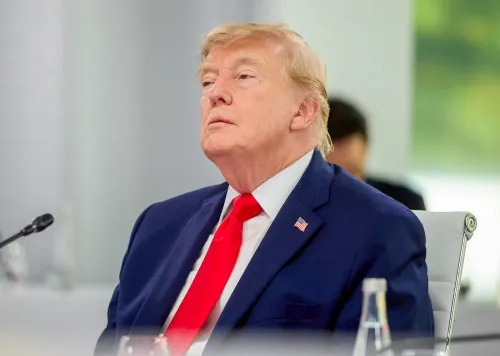
President Donald Trump held a two-hour Situation Room meeting on 30 May but made no final announcement on the proposed Iran agreement.
The proposed framework would extend the current ceasefire for 60 days while the two sides negotiate a broader deal, including the fate of Iran's enriched uranium stockpile .
Iranian Foreign Ministry spokesman Esmaeil Baghaei confirmed talks are ongoing but said a memorandum of understanding has not been finalised.
Iran's Revolutionary Guard navy reportedly fired warning shots at four vessels near the Strait of Hormuz on Friday.
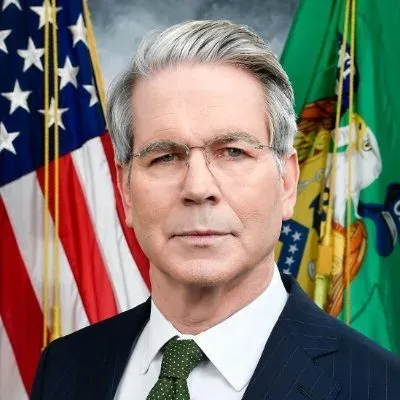
Treasury Secretary Scott Bessent said the US seized approximately $1 billion in Iranian cryptocurrency assets as part of its pressure campaign.
Global economic chiefs from the IMF , World Bank , IEA , and WTO warned that prolonged Hormuz disruption threatens fuel security and economic stability.
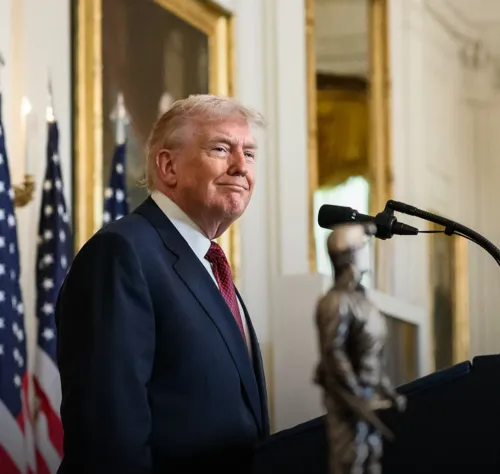
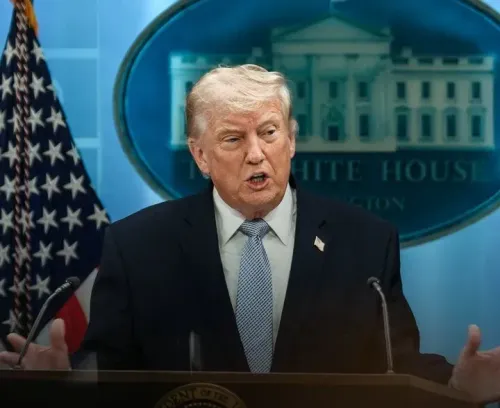
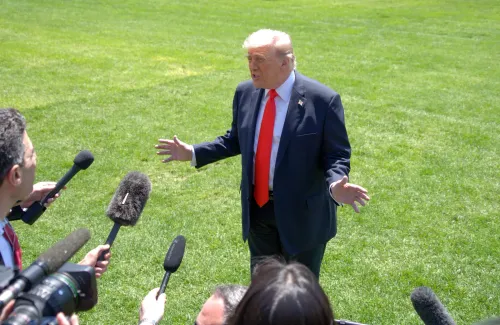
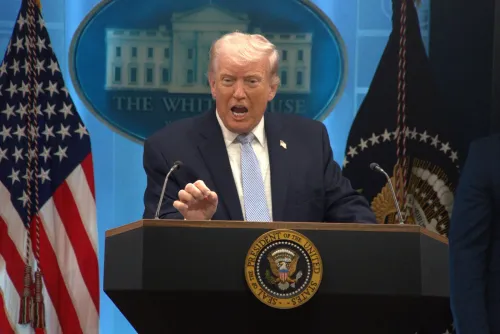
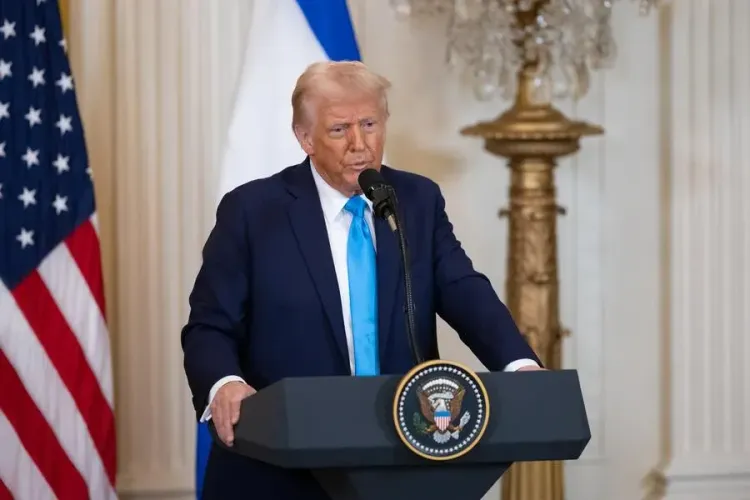
US President Donald Trump concluded a two-hour Situation Room meeting on 30 May without announcing a final decision on a proposed agreement with Iran, according to multiple media reports. The White House offered no indication after the session that a determination had been reached, despite Trump having earlier signalled he would deliver a verdict on the proposal.
What Was on the Table
The proposed framework, according to reports citing The Washington Post, involves a memorandum of understanding that would extend the current ceasefire between the two sides for 60 days while Washington and Tehran negotiate the terms of a broader agreement. Central to those talks is the future of Iran's enriched uranium stockpile.
Before the meeting, Trump outlined conditions he said Iran would need to satisfy: reopening the Strait of Hormuz, removing mines from the waterway, committing never to develop a nuclear weapon, and allowing the United States to remove or destroy highly enriched uranium.
Where Negotiations Stand
Iran signalled that talks remain incomplete. Iranian Foreign Ministry spokesman Esmaeil Baghaei reportedly said contacts between the two capitals were continuing but that a memorandum of understanding had not yet been finalised. Reports citing The New York Times noted that Iranian officials continue to object to several US demands, and that internal opposition from hard-line factions within Tehran remains a significant hurdle.
Despite the impasse, officials on both sides appeared to suggest the process was still active. Administration officials were quoted as believing the two sides are close to an agreement, though several issues remain unresolved, including the possible unfreezing of Iranian funds. Iranian negotiators are reportedly seeking the release of frozen assets and broader relief from economic restrictions.
The Strait of Hormuz Factor
The Strait of Hormuz sits at the heart of the negotiations. Roughly one-fifth of the world's oil supply transits through the strategic waterway connecting the Persian Gulf to global markets. Notably, Iran's Revolutionary Guard navy reportedly fired warning shots at four vessels near the strait on Friday, claiming they were attempting to pass through without prior authorisation — a reminder of how quickly the situation can escalate.
The heads of the International Energy Agency, International Monetary Fund, World Bank Group, and World Trade Organization have warned, according to reports, that prolonged disruption to shipping through the strait could increase risks to fuel security and broader economic stability.
Market Reaction and US Pressure Moves
Financial markets responded positively to signs that diplomacy remained active, with oil prices falling and US stocks rising on hopes that negotiations could eventually restore normal shipping through the waterway. Separately, Treasury Secretary Scott Bessent said the United States had seized approximately $1 billion in Iranian cryptocurrency assets as part of its ongoing pressure campaign against Tehran.
Broader Context
The negotiations follow months of conflict involving the United States, Israel, and Iran that have heightened fears of a wider regional confrontation and disrupted global energy markets. This is the latest in a series of high-stakes diplomatic engagements that have so far stopped short of a binding agreement. Whether the two sides can bridge their remaining differences — particularly on uranium stockpiles and frozen assets — will determine the trajectory of both regional security and global oil supply in the weeks ahead.
Point of View
Announced the same day, suggests Washington is running a dual track: diplomacy in one room, economic pressure in another. That combination has historically hardened Iranian positions rather than softened them. With hard-liners in Tehran blocking concessions and the Strait of Hormuz still volatile, the window for a 60-day ceasefire extension may be narrower than markets are pricing in.
NationPress
25 Sept 2026
Frequently Asked Questions
What happened at Trump's Situation Room meeting on Iran on 30 May?
President Trump convened a two-hour Situation Room meeting on 30 May to deliberate on a proposed agreement with Iran, but the White House made no final announcement afterward. The administration only reiterated that Iran must never possess a nuclear weapon.
What does the proposed Iran memorandum of understanding involve?
According to reports, the proposed memorandum of understanding would extend the current US-Iran ceasefire for 60 days while both sides negotiate a broader deal. Key issues include the future of Iran's enriched uranium stockpile, the reopening of the Strait of Hormuz, and the possible release of frozen Iranian assets.
Why is the Strait of Hormuz central to the Iran negotiations?
Roughly one-fifth of the world's oil supply passes through the Strait of Hormuz, making it a critical chokepoint for global energy markets. Iran's ability to restrict or disrupt shipping through the waterway gives Tehran significant leverage in negotiations, and its Revolutionary Guard navy reportedly fired warning shots at vessels there on Friday.
What did Iran say about the status of the talks?
Iranian Foreign Ministry spokesman Esmaeil Baghaei confirmed that contacts between Tehran and Washington are continuing but said a memorandum of understanding has not yet been finalised. Reports indicate Iranian officials object to several US demands, and internal hard-line opposition remains an obstacle.
What pressure measures has the US taken alongside the diplomacy?
Treasury Secretary Scott Bessent announced that the United States had seized approximately $1 billion in Iranian cryptocurrency assets as part of its ongoing pressure campaign against Tehran, running parallel to the diplomatic track.