India-US ties among top geopolitical priorities, says Senator Warner after Modi-Trump meet
Synopsis
A senior US senator didn't mince words: Trump's tariff hike on India was 'beyond baffling' and risked pushing a key democratic partner back toward Russia and China. With Modi and Trump having just met in France, Senator Mark Warner's blunt warning — that India-US ties rank among the top two or three geopolitical relationships of the 21st century — puts pressure on both governments to deliver a tangible reset.
Key Takeaways
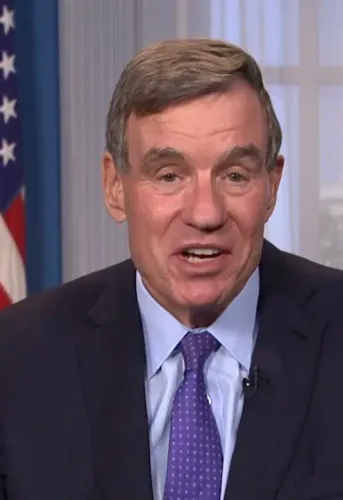
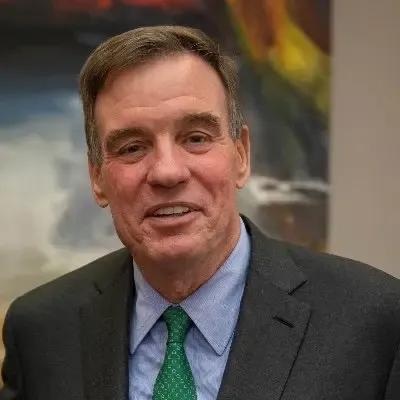
Senator Mark Warner (Democrat, Virginia), co-chair of the Senate India Caucus , said on 19 June that the US must strengthen its partnership with India, not weaken it.
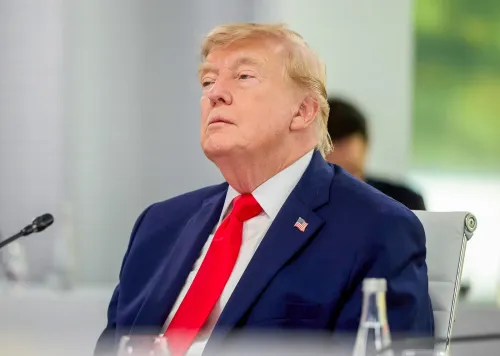
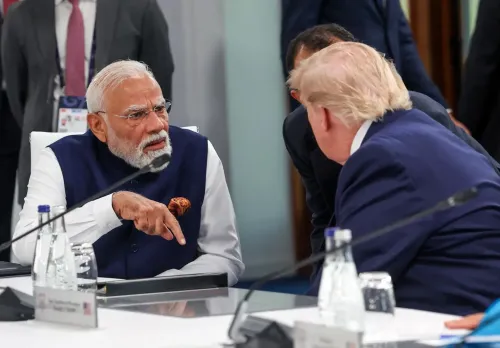
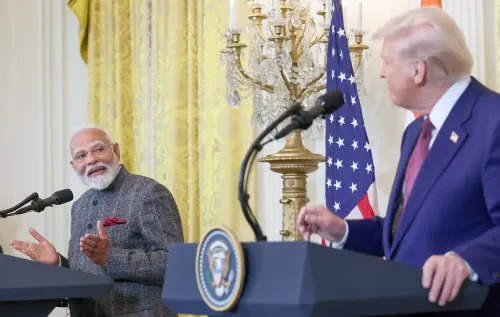
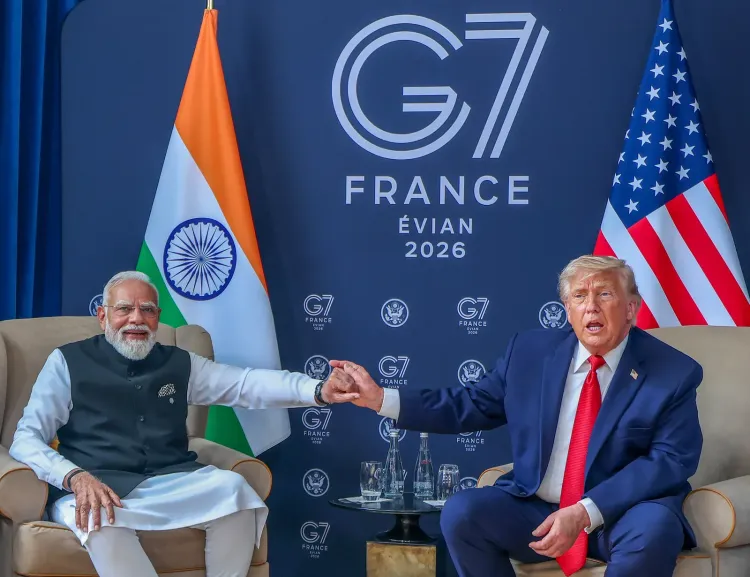
PM Modi and President Trump met on the sidelines of international meetings in France a day before Warner's remarks.
Warner called Trump's decision to raise tariffs on India to 'some of the highest in the world' as 'beyond baffling', warning it risked driving India toward Russia and China .
The senator cited 25 years of US policy aimed at reducing India's dependence on Russia, including through the Quad grouping.
Warner described the India-US relationship as 'one of the top two or three geopolitical relationships of the 21st century'.
Senator Mark Warner, the Virginia Democrat and co-chair of the Senate India Caucus, said on 19 June that the United States must strengthen, not weaken, its partnership with India — remarks that came a day after Prime Minister Narendra Modi met US President Donald Trump on the sidelines of international meetings in France. Warner argued that punitive tariffs imposed on Indian goods had sent precisely the wrong signal to one of Washington's most consequential strategic partners.
Warner's Reaction to the Modi-Trump Meeting
'Well, I've not gotten a readout of the meeting. I hope it will improve relations,' Warner said in response to a question about the Modi-Trump discussions. The senator said he intended to seek a detailed briefing on the talks and underscored that deepening bilateral ties must remain a priority for both governments. 'This is, I think, one of the top two or three geopolitical relationships of the 21st century. And we need to strengthen this tie, not weaken it,' he said.
Twenty-Five Years of Strategic Realignment
Warner pointed to a quarter-century of deliberate US policy aimed at drawing India closer to Washington and reducing its historical dependence on Russia. 'For the last 25 years, we have tried to move India away from reliance on Russia and move more as a fellow democracy into alliance with us,' he said. He cited the Quad — the grouping of India, the United States, Japan, and Australia — as a cornerstone of broader Indo-Pacific cooperation among major democracies.
Tariff Decision 'Beyond Baffling'
Warner was pointed in his criticism of the Trump administration's decision to sharply raise tariffs on Indian goods. 'It was beyond baffling to me that, earlier or last year, President Trump arbitrarily raised tariffs on India to some of the highest in the world,' he said. The senator argued that such measures risked undermining US strategic objectives in Asia at a moment when Washington has been working to counter China's growing regional influence. 'Now we've been working to try to move India away from China, away from Russia, and all that did was drive India back to think, well, maybe partnering with America's not our best bet,' Warner said.
The Broader India-US Strategic Relationship
Over the past two decades, India-US relations have expanded well beyond trade into defence agreements, joint military exercises, and cooperation in emerging technologies including semiconductors, artificial intelligence, and critical minerals. The two nations have also deepened engagement in energy, education, and supply-chain resilience. Warner, who is proud to co-chair the Senate India Caucus, said ties between the two countries are 'extraordinarily important' and that Washington must continue investing in the relationship. Notably, this is the first in-person Modi-Trump meeting since trade tensions flared, making the outcome closely watched in both New Delhi and Washington.
What Comes Next
Warner said he would seek a full readout of the Modi-Trump discussions, with trade, defence cooperation, and broader strategic alignment all on the agenda. Analysts expect the meeting's outcomes to shape the near-term trajectory of bilateral negotiations, particularly on tariffs and technology-transfer frameworks. Whether the France sideline talks translate into a tangible policy reset will be the defining question in the weeks ahead.
Point of View
Defence pacts, technology partnerships — can be eroded faster than it was built if trade signals contradict security signals. The Modi-Trump France meeting is a chance to paper over that contradiction, but without a concrete tariff rollback or a credible trade framework, the optics of a handshake will outlast the substance. New Delhi has learned to hedge; Washington should not assume patience is infinite.
NationPress
19 Sept 2026
Frequently Asked Questions
What did Senator Mark Warner say about the Modi-Trump meeting in France?
Senator Warner said he had not yet received a readout of the meeting but expressed hope it would improve India-US relations. He emphasised that the bilateral relationship is 'one of the top two or three geopolitical relationships of the 21st century' and said he would seek a detailed briefing on the discussions.
Why did Senator Warner criticise Trump's tariffs on India?
Warner called the decision to raise tariffs on India to among the highest in the world 'beyond baffling', arguing it undermined 25 years of US efforts to draw India away from dependence on Russia and China. He warned the move risked making India question the value of a closer partnership with Washington.
What is the Senate India Caucus and what is Warner's role?
The Senate India Caucus is a bipartisan group of US senators focused on strengthening India-US ties. Senator Mark Warner serves as its co-chair and has been a consistent advocate for deepening the bilateral relationship across trade, defence, and technology.
What is the Quad and why did Warner mention it?
The Quad is a strategic grouping comprising India, the United States, Japan, and Australia, aimed at promoting a free and open Indo-Pacific. Warner cited it as evidence of sustained US investment in building democratic alliances in the region — an effort he argued was undermined by the tariff decision.
What are the key areas of India-US cooperation beyond trade?
India and the US have expanded cooperation across defence agreements, joint military exercises, semiconductors, artificial intelligence, critical minerals, energy, education, and supply-chain resilience over the past two decades, making it one of Washington's most significant Indo-Pacific partnerships.