CM Pema Khandu receives sacred Galo blessing in Arunachal
Synopsis
Arunachal Pradesh Chief Minister Pema Khandu met Galo community senior priest Mogi Ori on August 10, receiving the sacred 'Ridin Benam' chanting and calling for preservation of the state's indigenous spiritual heritage.
Key Takeaways
Pema Khandu met Mogi Ori , senior Galo priest and President of the All Kargu Gamgi Council , on Monday, August 10, 2026 .
Khandu received the sacred Ridin Benam chanting, a Galo ritual offered for personal well-being and family welfare.
The All Kargu Gamgi Council is the apex body for Galo community spiritual traditions in Arunachal Pradesh.
Arunachal Pradesh is home to more than two dozen major indigenous tribes , each with distinct languages and ritual practices.
Khandu publicly called for preservation and intergenerational transmission of the state's indigenous traditions and spiritual heritage.
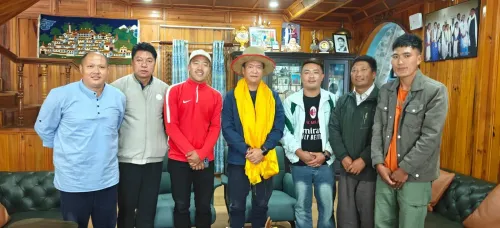
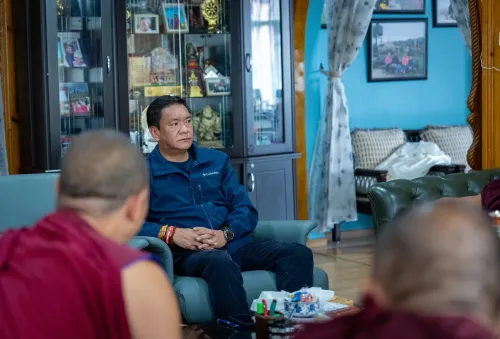
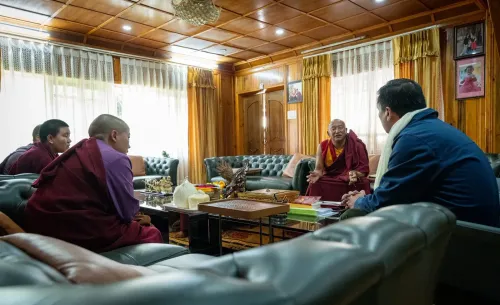
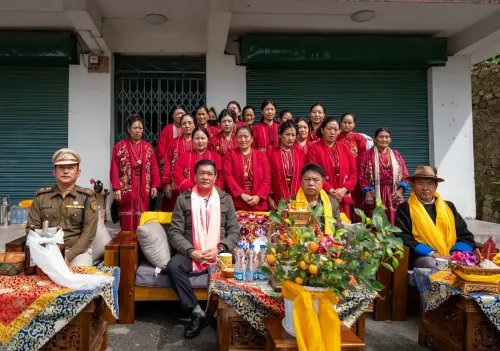
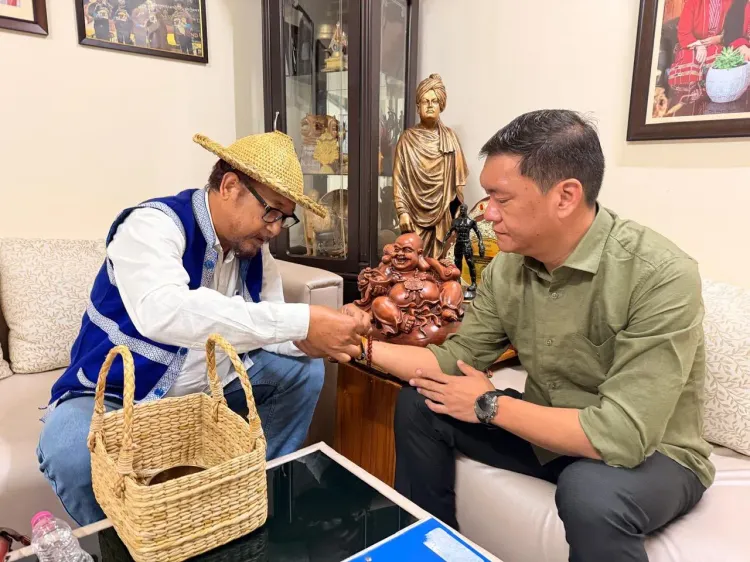
Arunachal Pradesh Chief Minister Pema Khandu began Monday, August 10 with a moment rooted in tradition — sitting with one of the Galo community's most revered spiritual figures and receiving a sacred chant for his well-being and that of his family.
Khandu met Mogi Ori, senior priest of the Galo community and President of the All Kargu Gamgi Council, describing the encounter as a blessing. 'I feel blessed to have received the sacred chanting of 'Ridin Benam' from him for my well-being and the welfare of my family,' Khandu wrote, adding his gratitude for Ori's 'blessings, prayers and words of wisdom.'
Who is Mogi Ori and the All Kargu Gamgi Council
The All Kargu Gamgi Council is the apex body representing the Galo community's spiritual traditions in Arunachal Pradesh. The Galo are one of the state's major indigenous tribes, concentrated largely in the West Siang and Lower Siang districts. Mogi Ori's standing as a senior priest places him among the custodians of oral ritual knowledge — chants, ceremonial protocols and cosmological lore — that the community has transmitted across generations without a written script.
The Ridin Benam chant, as Khandu described it, is offered for personal well-being — a practice embedded in the Galo's animist spiritual framework, which venerates nature and ancestral spirits.
Arunachal's indigenous traditions under the spotlight
Arunachal Pradesh is home to more than two dozen major indigenous tribes, each with distinct languages, rituals and belief systems. The state has faced a familiar tension: rapid infrastructure development and external cultural exposure on one side, and the fragility of oral traditions on the other. Successive governments have publicly backed documentation and transmission efforts, but the real guardians remain community priests like Ori.
Meetings between elected officials and tribal spiritual leaders are a recurring feature of political life in the state — part protocol, part genuine cultural engagement. Khandu's public post, however, goes a step further, framing the encounter not as a courtesy call but as a personal spiritual moment and closing with a direct appeal: 'May our rich indigenous traditions and spiritual heritage continue to be preserved and passed on to future generations.'
In a state where identity, land and culture are inseparable from politics, that appeal carries weight beyond the ceremonial.
Point of View
Which has deepened its presence across the Northeast by aligning with local cultural institutions, such visible endorsements from respected community priests carry soft-power value. The appeal for intergenerational preservation of indigenous traditions also lands amid a broader national conversation about tribal rights and cultural autonomy. Whether it translates into concrete policy support for the All Kargu Gamgi Council or similar bodies is the question to watch.
NationPress
24 Sept 2026
Frequently Asked Questions
Who is Mogi Ori of the Galo community?
Mogi Ori is a renowned senior priest of the Galo indigenous community in Arunachal Pradesh and serves as President of the All Kargu Gamgi Council, the apex body for Galo spiritual traditions.
What is the Ridin Benam chant?
'Ridin Benam' is a sacred chant from the Galo community's animist spiritual tradition, offered for the well-being of an individual and their family by a community priest.
What is the All Kargu Gamgi Council?
The All Kargu Gamgi Council is an organisation representing the Galo community's spiritual and cultural traditions in Arunachal Pradesh, with Mogi Ori currently serving as its President.
Who are the Galo tribe in Arunachal Pradesh?
The Galo are one of Arunachal Pradesh's major indigenous tribes, concentrated primarily in the West Siang and Lower Siang districts, known for a distinct language, animist beliefs and rich oral ritual traditions.
Why did CM Pema Khandu meet Mogi Ori?
Chief Minister Pema Khandu met Mogi Ori on August 10, 2026, receiving the sacred Ridin Benam chanting for his well-being and that of his family, and expressed gratitude for the priest's blessings and words of wisdom.