Rubio heads to UAE, Kuwait, Bahrain for Iran deal and Hormuz talks
Synopsis
Marco Rubio's three-country Gulf swing — UAE, Kuwait, Bahrain — is Washington's clearest signal yet that the Iran memorandum of understanding needs GCC buy-in to hold. With Hormuz transit rights and regional stability on the table, this is less a courtesy call and more a diplomatic damage-control mission with the Gulf's most critical security partners.
Key Takeaways
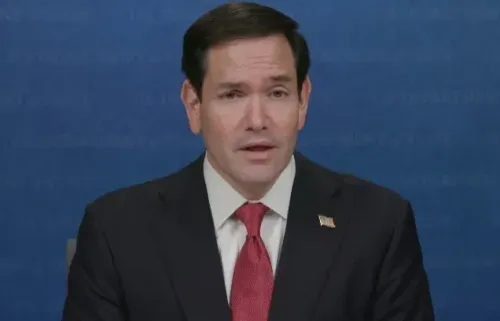
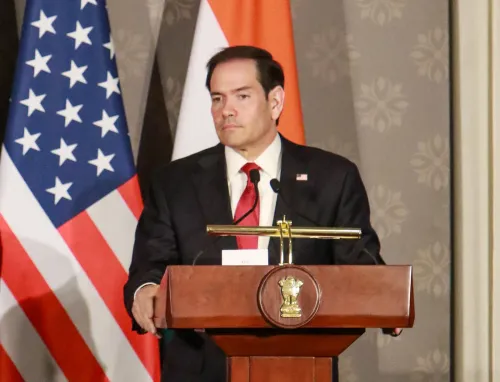
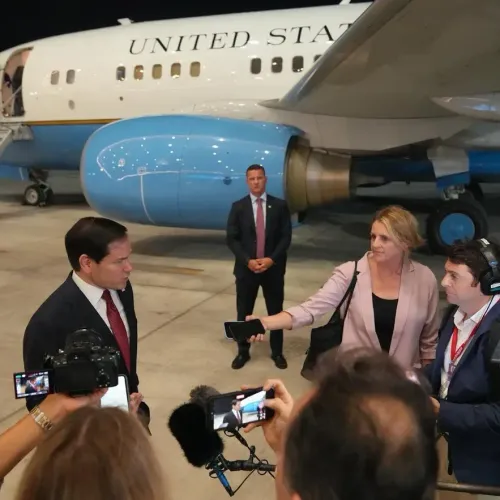
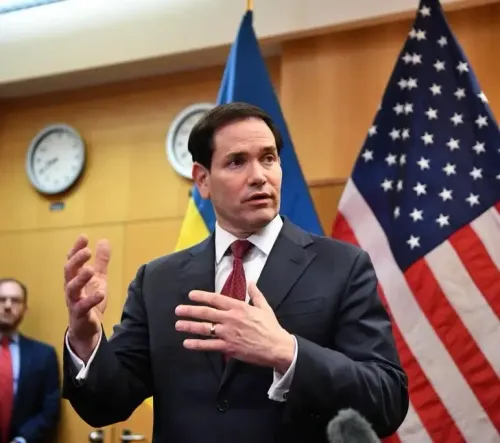
US Secretary of State Marco Rubio will visit the UAE , Kuwait , and Bahrain from 23 to 25 June .
Talks will focus on the Iran memorandum of understanding , Strait of Hormuz transit security, and regional stability.
In Bahrain , Rubio will meet with the Gulf Cooperation Council (GCC) , which includes six Gulf states.
Bahrain hosts the headquarters of the US Navy's Fifth Fleet ; the UAE and Kuwait are key US security partners.
The trip reflects Washington's push to keep Gulf allies aligned amid ongoing Iran diplomatic engagement.
US Secretary of State Marco Rubio is set to visit the United Arab Emirates, Kuwait, and Bahrain from 23 to 25 June for high-level consultations covering the recently announced Iran memorandum of understanding, maritime security in the Strait of Hormuz, and broader regional stability. The State Department confirmed the trip on Monday, 22 June, describing it as part of sustained US diplomatic engagement with Gulf partners.
What the Talks Will Cover
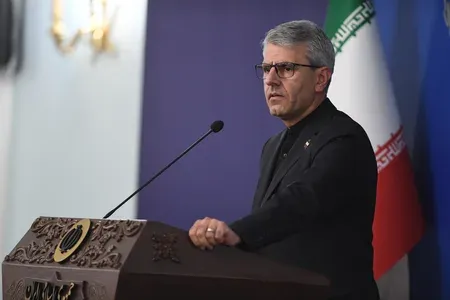
State Department spokesperson Tommy Pigott said Rubio's agenda centres on 'a range of regional priorities including the memorandum of understanding with Iran, efforts to secure full and free safe transit through the Strait of Hormuz, and the importance of peace and stability in the region.' The Iran memorandum has emerged as one of the most closely watched elements of current US Middle East diplomacy, and the Gulf leg of Rubio's trip signals Washington's intent to keep its regional partners closely aligned on the agreement's contours and implications.
The Strait of Hormuz: Why It Matters
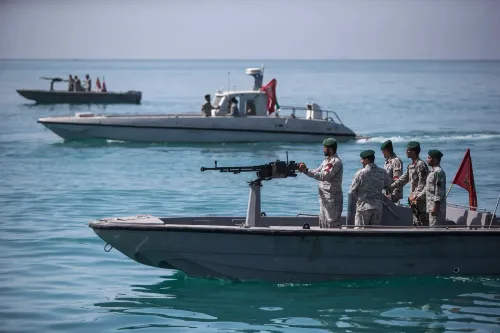
The Strait of Hormuz — the narrow waterway connecting the Persian Gulf to the Arabian Sea — is among the world's most strategically critical maritime chokepoints. A significant share of global crude oil and liquefied natural gas exports passes through it daily. Any disruption to transit in the strait carries immediate consequences for energy markets and major import-dependent economies worldwide. The State Department's explicit reference to 'full and free safe transit' signals that Washington views the waterway's security as non-negotiable in any Iran-related diplomatic framework.
GCC Meeting in Bahrain
In Bahrain, Rubio is scheduled to meet with representatives of the Gulf Cooperation Council (GCC), the six-member bloc comprising Bahrain, Kuwait, Oman, Qatar, Saudi Arabia, and the UAE. Pigott confirmed the Secretary 'will also meet with the Gulf Cooperation Council to discuss shared priorities across the region.' Bahrain is home to the headquarters of the US Navy's Fifth Fleet, making it a cornerstone of American military presence in the Gulf. The UAE and Kuwait are similarly longstanding security partners of Washington.
Context: US-Gulf Strategic Ties
The United States has maintained deep defence, counterterrorism, and energy security partnerships with GCC states for decades. The timing of this visit — coming on the heels of the Iran memorandum of understanding — suggests Washington is working to reassure Gulf allies who have historically viewed any US-Iran rapprochement with caution. This is the kind of diplomatic circuit-riding that typically precedes or follows a significant shift in US posture toward Tehran. Notably, the trip spans all three days across three countries, reflecting the density of consultations Washington deems necessary at this juncture.
What Comes Next
The outcome of Rubio's Gulf tour is likely to shape the next phase of US engagement with Iran and the broader architecture of Middle East security. GCC states will be watching closely for signals on how the memorandum of understanding translates into enforceable commitments, particularly on Hormuz transit rights and regional non-interference.
Point of View
Fearing it comes at their expense. The explicit inclusion of Hormuz transit rights on the agenda is telling: it suggests the Iran memorandum of understanding does not yet contain ironclad maritime security guarantees, and Washington is scrambling to paper over that gap before Gulf partners go public with their concerns. The GCC meeting in Bahrain adds a multilateral layer that gives the trip political weight beyond bilateral optics.
NationPress
21 Sept 2026
Frequently Asked Questions
Why is Marco Rubio visiting the UAE, Kuwait, and Bahrain?
Rubio is visiting the three Gulf nations from 23 to 25 June to hold consultations on the Iran memorandum of understanding, Strait of Hormuz maritime security, and broader regional stability priorities. The trip is part of sustained US diplomatic engagement with Gulf partners following the recently announced Iran agreement.
What is the Iran memorandum of understanding that Rubio will discuss?
The memorandum of understanding is a recently announced diplomatic agreement between the United States and Iran that has become a central focus of US Middle East policy. Its specific terms have not been fully detailed publicly, but Gulf security and Hormuz transit rights are key concerns being discussed with regional partners.
Why is the Strait of Hormuz significant in these talks?
The Strait of Hormuz is one of the world's most critical maritime chokepoints, through which a large share of global oil and gas exports transit daily. Any disruption to shipping there would affect energy markets and economies worldwide, making its security a top priority in any US-Iran diplomatic framework.
What is the Gulf Cooperation Council and why will Rubio meet it?
The Gulf Cooperation Council (GCC) is a six-member regional bloc comprising Bahrain, Kuwait, Oman, Qatar, Saudi Arabia, and the UAE. Rubio will meet GCC representatives in Bahrain to discuss shared regional priorities, reflecting the US desire to keep all major Gulf partners aligned on its Iran policy.
What is the significance of Bahrain in US Gulf strategy?
Bahrain hosts the headquarters of the US Navy's Fifth Fleet, making it the anchor of American military presence in the Gulf. Holding the GCC meeting there underscores the defence-security dimension of Rubio's trip alongside its diplomatic agenda.