Marco Rubio Engages European and Gulf Allies Amid Iran Tensions
Synopsis
In a strategic diplomatic move, US Secretary of State Marco Rubio has reached out to foreign ministers from key European and Gulf nations, emphasizing collaborative efforts to address the ongoing Iran crisis.
Key Takeaways
Rubio's calls reflect intensified US diplomatic efforts regarding Iran.
Italy and Cyprus are key partners in the Mediterranean for US diplomacy.
Turkey plays a strategic role as a NATO member.
Saudi Arabia's involvement is crucial in regional energy and security discussions.
Building alliances is essential as tensions in the Middle East escalate.
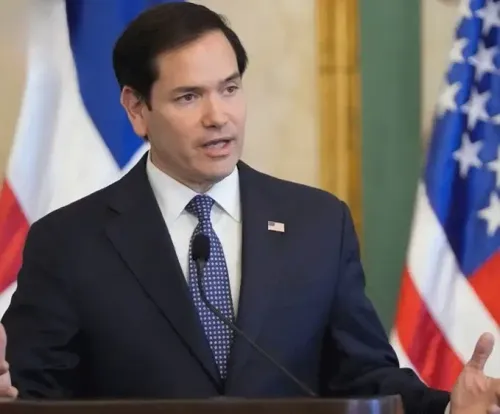
On March 5, in Washington (NationPress), US Secretary of State Marco Rubio engaged in discussions with the foreign ministers of Italy, Cyprus, Turkey, and Saudi Arabia as part of an intensified diplomatic effort regarding Iran and the broader Middle East, according to the State Department.
The discussions centered on the latest developments concerning Iran and the overall regional landscape.
Rubio's first conversation was with Italian Foreign Minister Antonio Tajani, where they reviewed the situation in Iran and across the Middle East, highlighting the robust partnership between the United States and Italy.
In another conversation, Rubio connected with Cyprus Foreign Minister Constantinos Kombos. The two leaders also shared insights on Iran and the broader regional context, reaffirming the strong ties between Washington and Nicosia.
Rubio engaged in talks with Turkey’s Foreign Minister Hakan Fidan, focusing on Iran's developments and the wider region. Rubio emphasized that attacks on Turkey's sovereign territory are intolerable and expressed unwavering US support, reinforcing the strength of their bilateral relationship.
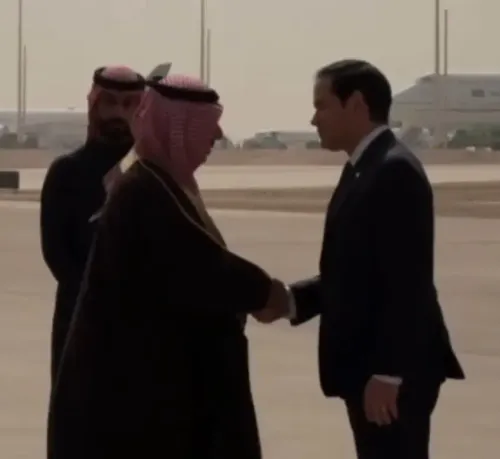
Additionally, Rubio spoke with Saudi Foreign Minister Prince Faisal bin Farhan Al Saud, expressing gratitude for Saudi Arabia's response to the recent attack on the US Embassy in Riyadh. Their discussion also tackled the threats posed by the Iranian regime to regional stability and other pertinent Middle Eastern developments.
These dialogues showcase Washington's commitment to maintaining close cooperation with both European and Middle Eastern partners amidst rising tensions surrounding Iran, which significantly impacts regional security.
Italy and Cyprus are pivotal European allies in US diplomatic strategies within the Mediterranean. Turkey, as a NATO member, plays a crucial role linking Europe with the Middle East, while Saudi Arabia remains a key player in regional diplomacy and energy sectors.
This outreach indicates Washington's ongoing focus on fostering diplomatic alignment with its allies in light of evolving events in the Middle East.
Point of View
It is essential to recognize the strategic importance of Secretary Rubio's diplomatic outreach. Engaging with key allies positions the US to better navigate the complexities of the Iranian situation and enhances regional stability through collaboration.
NationPress
13 Oct 2026
Frequently Asked Questions
What was the purpose of Marco Rubio's calls?
Marco Rubio's calls aimed to discuss recent developments concerning Iran and enhance diplomatic relations with European and Gulf allies.
Which countries' foreign ministers did Rubio speak with?
Rubio spoke with the foreign ministers of Italy, Cyprus, Turkey, and Saudi Arabia.
What was discussed in the call with Turkey's Foreign Minister?
The discussion with Turkey's Foreign Minister focused on Iran's developments and reaffirmed the US's support against attacks on Turkey's territory.
Why is Saudi Arabia significant in this context?
Saudi Arabia is a central player in regional diplomacy and energy markets, making it crucial for discussions regarding Iran and Middle Eastern stability.
How does this outreach impact US diplomacy?
This outreach reflects the US's commitment to strengthening diplomatic alignment with allies to address evolving challenges in the Middle East.