Rubio sees 'good signs' in Iran nuclear talks, warns Trump has 'other options'
Synopsis
Rubio’s Miami remarks captured the dual-track logic of US Iran policy in a single press gaggle — cautious optimism on talks, an undisguised threat of force, and frustration at NATO allies who agree on the danger but won’t act. With Pakistan reportedly heading to Tehran the same day, the diplomatic clock is ticking on multiple fronts simultaneously.
Key Takeaways
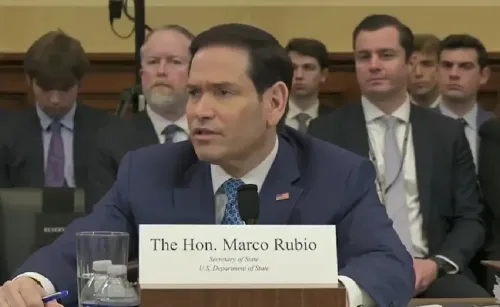
Secretary of State Marco Rubio said on 21 May there were “good signs” in US-Iran negotiations but warned no breakthrough was guaranteed.
President Trump retains “other options” beyond diplomacy, Rubio said, without elaborating.
Pakistan was reportedly travelling to Tehran on the same day to help advance discussions.
Rubio criticised NATO allies for failing to act despite agreeing that Iran cannot be allowed a nuclear weapon.
Iran already possesses missiles capable of reaching Europe , though not yet the United States , Rubio noted.
Rubio was speaking in Miami before departing for India with a stopover in Europe .
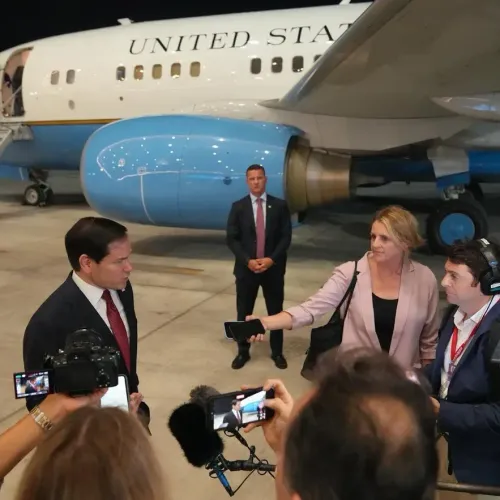
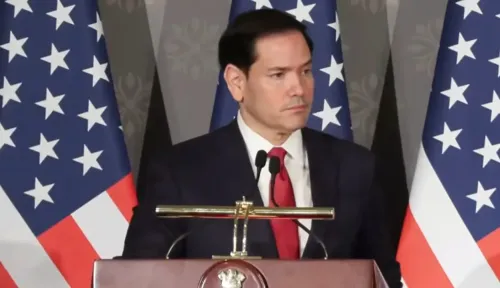
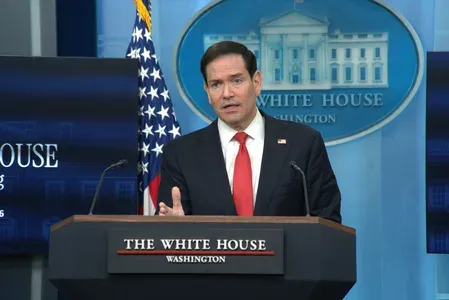
US Secretary of State Marco Rubio on Thursday, 21 May said there were “good signs” in ongoing negotiations with Iran but cautioned against excessive optimism, noting that President Donald Trump still retained “other options” should diplomacy fail. Rubio made the remarks to reporters in Miami before departing for India with a stopover in Europe.
Progress, But No Guarantees
Rubio said Washington believed recent contacts with Tehran had yielded some movement. “I think we’ve made some progress, but obviously we’re dealing with a system that itself is a little fractured,” he said, referring to Iran’s internal political structure. He was careful, however, not to overstate the outlook. “I’m not here to tell you that it’s going to happen for sure, but I’m here to tell you that we’re gonna do everything we can to see if we can get one,” Rubio said.
Pakistan’s Role in Advancing Diplomacy
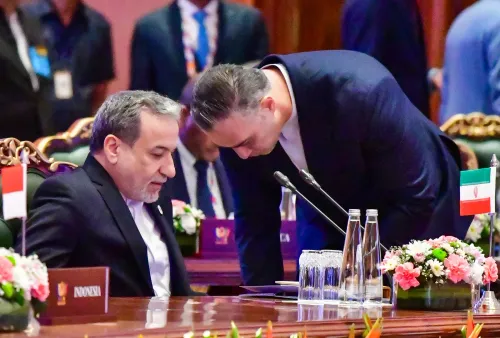
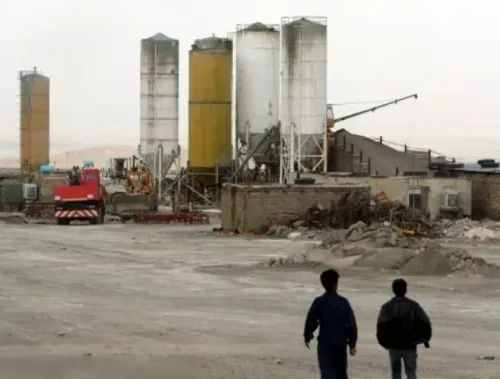
Rubio flagged that regional diplomacy involving Pakistan could help push discussions forward. “I believe the Pakistanis will be travelling to Tehran today, so hopefully that’ll advance this further,” he said. The remark underscores Washington’s effort to use third-party channels to maintain momentum in a negotiation that has repeatedly stalled over Iran’s nuclear activities and missile programme.
Trump’s ‘Other Options’ and NATO Frustration
While reiterating the administration’s preference for a negotiated outcome, Rubio did not shy away from harder language. “The president’s been clear, he has other options,” he said. “I’m not gonna elaborate on what those are, but everybody knows what those are.” Rubio also criticised NATO allies for failing to act despite sharing Washington’s assessment. “There are many countries in NATO that agree with us that Iran can’t have a nuclear weapon, that Iran is a threat to the world,” he said, adding that Trump had grown frustrated with allies who agreed on the threat but were unwilling to take action. “If all these countries around the world agree with us that Iran can’t have a nuclear weapon… and everyone goes into hiding, yeah, I think we’re very upset about that,” Rubio said.
Iran’s Missile Reach and the European Dimension
Rubio also highlighted the geographic scope of Iran’s missile capabilities, noting that Tehran already possesses missiles capable of reaching Europe. “They don’t have missiles that can reach America yet, but they have missiles that can reach Europe,” he said. The statement is intended to sharpen the sense of urgency among European NATO members who have so far taken a more cautious line on confronting Iran.
Diplomatic Preference Remains Firm
Despite the pointed warnings, Rubio repeatedly stressed that the Trump administration’s primary preference was a negotiated settlement. “His preference is always a deal, his preference is always an agreement, his preference is always diplomacy,” Rubio said. “So let’s see if we can get there.” The remarks come amid renewed diplomatic engagement between Washington and Tehran following months of heightened tensions over Iran’s nuclear activities, regional militia networks, and maritime security in West Asia. How the Pakistan channel and upcoming contacts develop will be closely watched in the days ahead.
Point of View
Ultimately, it is negotiating with. The NATO frustration is real but strategically awkward: publicly shaming allies rarely produces the coordinated pressure Washington wants. And deploying Pakistan as a diplomatic interlocutor is an unconventional move that reflects both the limits of direct US-Iran contact and the complex geometry of South and West Asian alignments. The ‘other options’ language is well-worn Trump-era signalling — the question is whether Tehran still treats it as credible.
NationPress
21 Sept 2026
Frequently Asked Questions
What did Marco Rubio say about Iran nuclear talks on 21 May 2025?
Rubio said there were ‘good signs’ in ongoing US-Iran negotiations but cautioned that no deal was guaranteed. He made the remarks to reporters in Miami before departing for India, stressing that the Trump administration’s preference remained a negotiated settlement.
What are the ‘other options’ Trump has on Iran, according to Rubio?
Rubio did not specify, saying only: ‘I’m not gonna elaborate on what those are, but everybody knows what those are.’ The phrase is widely understood as a reference to potential military or maximum-pressure economic measures.
Why is Pakistan involved in the US-Iran diplomatic process?
Rubio indicated that Pakistani officials were travelling to Tehran on 21 May to help advance discussions, suggesting Washington is using third-party regional channels to maintain negotiating momentum. He expressed hope the visit would ‘advance this further.’
Why is Rubio frustrated with NATO allies over Iran?
Rubio said many NATO members agree that Iran cannot be allowed a nuclear weapon but are unwilling to take concrete action. He said President Trump was ‘very upset’ that allies who shared Washington’s threat assessment were, in his words, ‘going into hiding.’
Can Iran’s missiles reach Europe or the United States?
According to Rubio, Iran currently possesses missiles capable of reaching Europe but not yet the United States. He used this point to press European NATO allies on the urgency of confronting Iran’s missile and nuclear programmes.