U.S. Issues Stark Warning to Iran Over Hormuz Tolling Plans
Synopsis
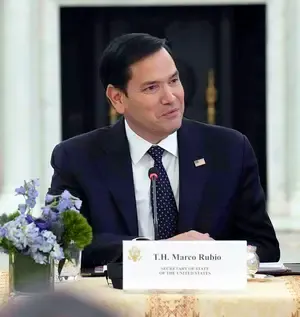
In a significant move, the U.S. has cautioned Iran against imposing a tolling system in the Strait of Hormuz, citing potential dangers to global shipping and stability. Secretary of State Marco Rubio emphasizes the need for international collaboration to address this escalating situation.
Key Takeaways
Warns: Iran's proposed tolling system in the Strait of Hormuz is deemed illegal.
Global Shipping Concerns: Such actions pose risks to international trade.
Coalition Efforts: The U.S. is coordinating with allies for a response.
Shared Responsibility: Multiple nations are encouraged to participate in the effort.
Geopolitical Stability: Control over critical waterways must remain international.
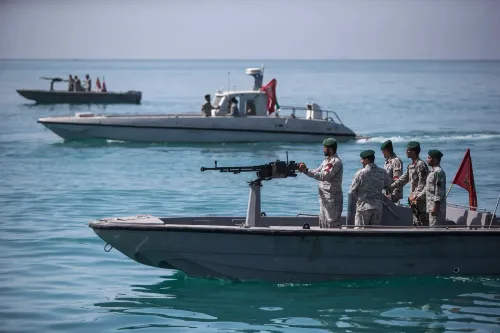
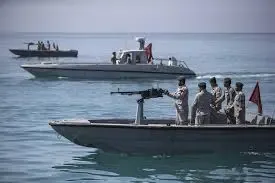
Washington, March 27, (NationPress) The United States has issued a strong warning regarding any attempt by Iran to implement a tolling system in the Strait of Hormuz, labeling such actions as illegal and hazardous. This alert underscores early apprehensions over a possible escalation that could disrupt global shipping routes.
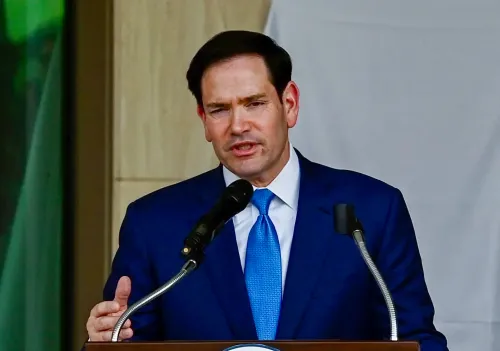
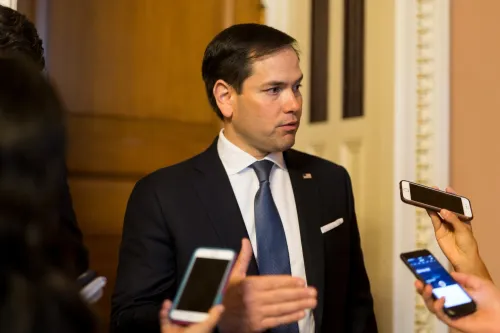
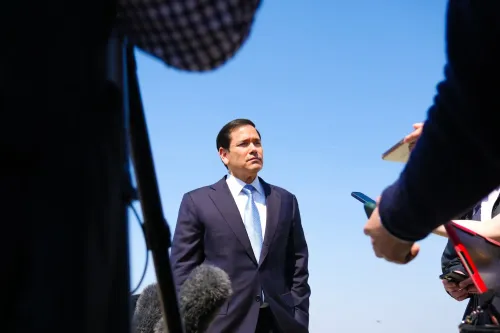
Secretary of State Marco Rubio highlighted that one of the immediate obstacles following the current tensions could involve Iran's efforts to exert control over this vital waterway.
“One of the immediate challenges we are likely to encounter is an Iran that might consider establishing a tolling mechanism in the Strait of Hormuz,” Rubio stated.
He deemed this potential action as unacceptable and a significant threat to global stability.
“This is not only illegal but also unacceptable. It poses a danger to the international community,” he emphasized, noting the necessity for coordinated global efforts to counter such developments.
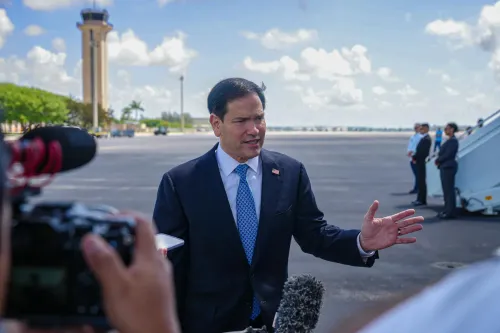
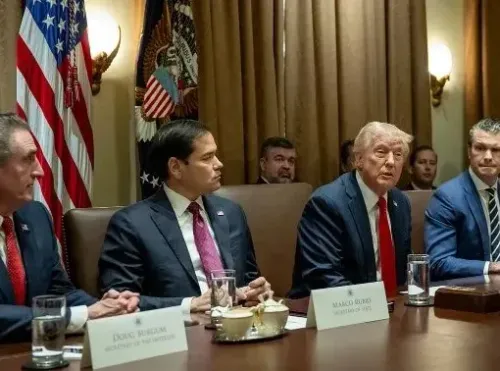
Rubio mentioned that the United States is already collaborating with allies and partners to devise a potential response framework.
“It is crucial for the world to have a strategy to address this situation. The United States stands ready to contribute to that strategy,” he asserted.
He pointed out that Washington does not necessarily need to spearhead this initiative but is willing to engage with other nations that have vested interests in the region.
“We don’t have to lead that initiative, but we are eager to participate,” Rubio remarked, stressing the importance of a shared responsibility.
The Secretary highlighted the multitude of countries that depend on the Strait of Hormuz, emphasizing that the ramifications extend well beyond Western economies.
“Many nations are heavily invested in this issue, not just G7 countries, but nations across Asia and all over the globe, which should significantly contribute to this effort,” he said.
Rubio also cautioned against allowing any single nation to dominate crucial international waterways.
“It is vital that neither the Strait of Hormuz nor any other international waterways fall under the control of a single nation-state or a terrorist regime such as that of Iran's radical clerical government,” he stated.
He noted an increasing consensus among partners regarding the necessity of a collective approach to this issue.
“There seems to be considerable agreement on that,” Rubio concluded.
Frequently Asked Questions
What is the Strait of Hormuz?
The Strait of Hormuz is a strategically vital waterway that connects the Persian Gulf to the Arabian Sea, through which a significant portion of the world's oil supply is transported.
Why does the U.S. consider Iran's tolling system illegal?
The U.S. views Iran's potential tolling system as illegal because it would attempt to impose unilateral control over a critical international shipping route, violating principles of free navigation.
How could this situation affect global shipping?
If Iran were to implement a tolling system, it could lead to increased shipping costs, potential conflicts, and disruptions in the supply chain, affecting economies worldwide.
What is the U.S. doing in response to this threat?
The U.S. is engaging with allies and partners to create a response framework aimed at countering any unilateral actions by Iran in the Strait of Hormuz.
What are the implications of unilateral control over international waterways?
Unilateral control over international waterways can lead to geopolitical tensions, threaten global trade routes, and undermine international law regarding freedom of navigation.