Marco Rubio Accuses Iran of Threatening Global Shipping
Synopsis
In a recent statement, US Secretary of State Marco Rubio accused Iran of destabilizing global trade by targeting vessels in the Strait of Hormuz. He warns that the implications of this situation affect the entire world, emphasizing the need for a concerted diplomatic approach.
Key Takeaways
Marco Rubio criticized Iran for threatening global trade.
The Strait of Hormuz is essential for energy supplies.
Diplomatic engagement with Tehran is still being considered.
Iran's actions are viewed as a violation of international law.
US strategy emphasizes the broader implications for international commerce.
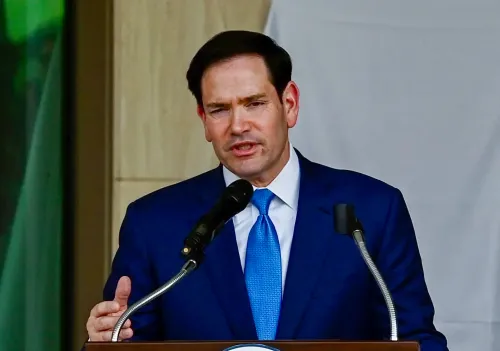
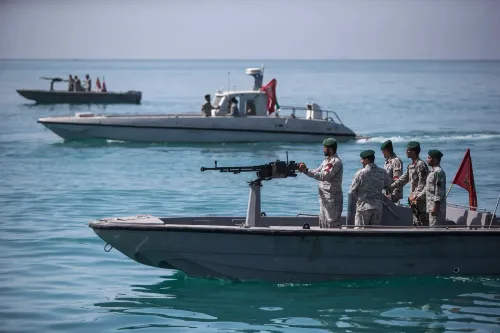
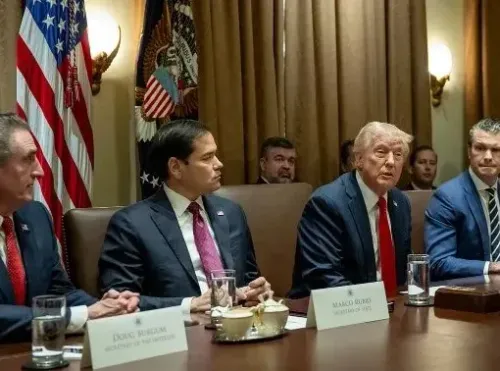
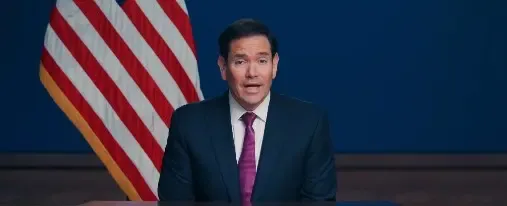
Washington, April 7 (NationPress) – US Secretary of State Marco Rubio has placed the blame on Iran for undermining international law and disrupting global commerce by targeting commercial ships in the Strait of Hormuz. He cautioned that this ongoing situation has repercussions for the entire world.
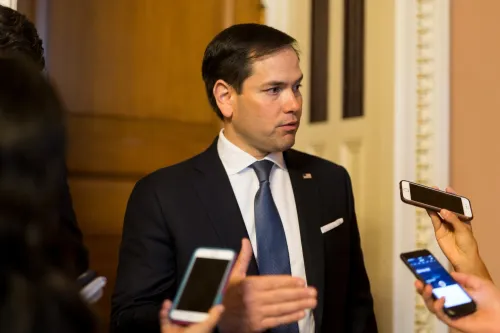
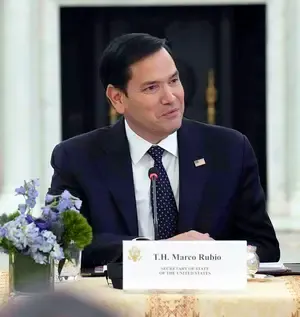
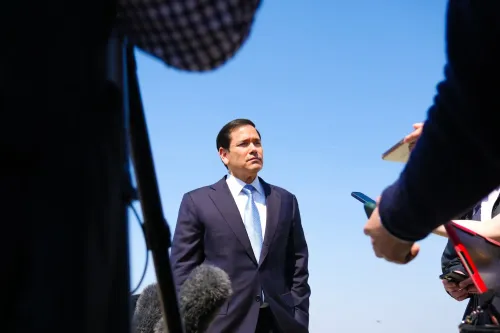
In a brief statement to the press prior to a meeting with New Zealand's Foreign Minister Winston Peters at the US State Department, Rubio noted that the US is still awaiting any updates on potential diplomatic discussions with Tehran.
“I hope we will have more information later today on that,” he remarked when queried about Iran's willingness to engage in negotiations.
These statements come amidst rising tensions in the Middle East, with continuous fears regarding the safety of critical shipping routes essential for global energy supplies.
“The entire world has unfortunately been affected because Iran is breaching every known law by attacking commercial vessels in the Strait of Hormuz. This poses a significant problem for everyone,” Rubio expressed.
He further described the Iranian government as dismissive of established global laws and norms.
“This is a regime that does not adhere to laws, rules, or any regulations. It is a state sponsor of terrorism, so it is not surprising that they are engaging in terrorist actions against commercial shipping,” Rubio added.
The Secretary of State's comments highlight Washington's strategy to frame these tensions not just as a bilateral issue, but rather as a broader threat to international trade and maritime security.
When asked about remarks from Cuba's President Miguel Diaz-Canel, who warned of retaliation if the US initiated operations in Cuba, Rubio dismissed the comment.
“I don’t give much weight to what he has to say,” Rubio stated.
This exchange occurred during a tightly controlled press interaction preceding Rubio's meeting with Peters, where they were expected to address broader regional security and global stability issues.
Point of View
The remarks by Secretary of State Rubio highlight a significant geopolitical issue. The focus on Iran's actions against commercial vessels illustrates a growing concern not only for regional stability but also for international trade systems as a whole. This situation calls for careful monitoring and strategic diplomatic efforts.
NationPress
12 Oct 2026
Frequently Asked Questions
What did Marco Rubio accuse Iran of?
Marco Rubio accused Iran of violating international law and destabilizing global trade by targeting commercial vessels in the Strait of Hormuz.
Why is the Strait of Hormuz significant?
The Strait of Hormuz is a critical shipping lane for global energy supplies, making its safety vital for international commerce.
What is the US's stance on diplomatic engagement with Iran?
The US is currently awaiting developments regarding potential diplomatic engagement with Tehran, as indicated by Marco Rubio.
How has Iran responded to the accusations?
The content does not provide specific information on Iran's response to the accusations made by Marco Rubio.
What are the implications of Iran's actions according to Rubio?
Rubio stated that Iran's actions are impacting the entire world, posing significant problems for global trade and maritime security.