Iran's Parliament Initiates Strategic Plan for Strait of Hormuz Management
Synopsis
Iran's parliament has embarked on an important legislative process to approve a comprehensive plan for managing the Strait of Hormuz, enhancing security and imposing tolls. This initiative comes amid rising regional tensions and strategic developments involving key international players.
Key Takeaways
Iran's parliament has begun the approval process for a management plan of the Strait of Hormuz .
The plan aims to enhance security and implement tolls.
It has garnered support from over 250 MPs .
Key objectives include securing shipping and establishing a regional development fund.
Iran has recently tightened control over the waterway amid rising regional tensions.
Tehran, March 31 (NationPress) The Iranian parliament has initiated the approval process for a strategic plan aimed at effective management of the Strait of Hormuz. According to Abbas Goudarzi, the spokesperson for the parliament's presiding board, this new initiative has been placed on the legislative agenda after receiving more than 250 signatures from members of parliament (MPs), out of a total of 290 seats, as reported by Xinhua news agency citing the semi-official Tasnim news agency.
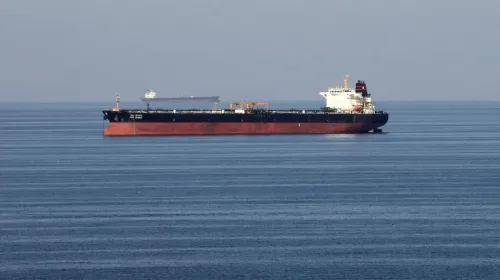
The objective of this plan is to bolster the security of this vital waterway while implementing tolls for vessels in the local currency, the rial.
On the previous Sunday, senior MP Alireza Salimi outlined that the plan, designated as double-urgency, has four primary aims: ensuring the safety of shipping, imposing charges on environmental violators, collecting fees for navigational assistance, and creating a regional development fund.
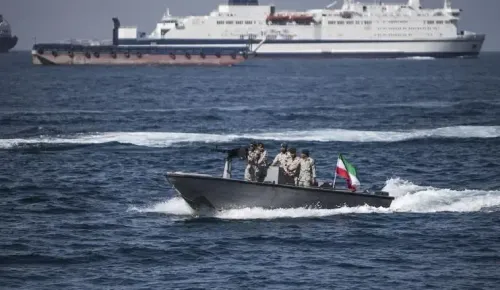
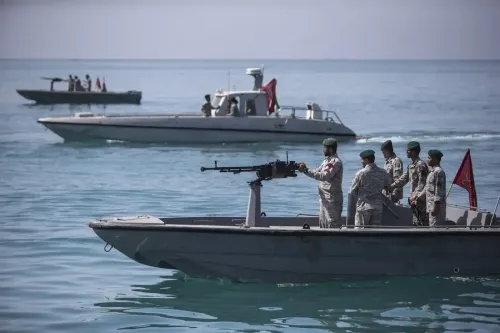
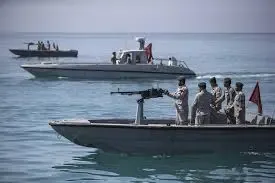
This development follows Iran's stringent control over the Strait of Hormuz, where it has recently restricted access for vessels associated with Israel, the United States, and their allies.
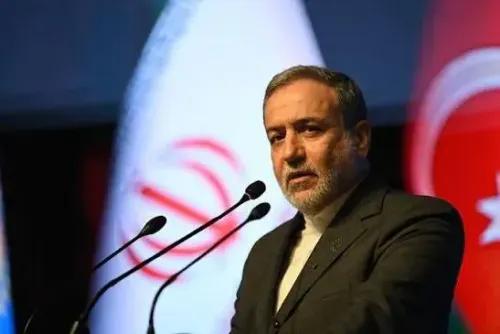
Furthermore, Iranian Foreign Minister Seyed Abbas Araghchi accused certain European nations on Monday of remaining mute regarding the “brutal assaults against the Iranian populace,” while their focus is solely on the economic repercussions of the conflict.
Araghchi discussed the implications of recent US-Israeli attacks on Iran in a call with French Foreign Minister Jean-Noel Barrot, emphasizing that Iran will persist in defensive measures, including potential strikes on US and Israeli military installations in neighboring countries. He warned that any provocative actions in the Strait of Hormuz, including at the United Nations, could exacerbate the ongoing crisis.
Barrot reiterated France's stance against attacks on civilian targets, advocating for enhanced diplomatic efforts to resolve the conflict and restore stability in the region, while expressing concerns over escalating tensions in West Asia, including in Lebanon.
On February 28, joint attacks were carried out by Israel and the United States against Tehran and other Iranian cities, resulting in the death of Iran's Supreme Leader Ali Khamenei, along with high-ranking military officials and civilians. In retaliation, Iran executed multiple missile and drone strikes targeting Israeli and US assets across the Middle East.
Point of View
A crucial maritime passage. The implications of this plan are significant, especially in light of ongoing regional tensions. It highlights Iran's intent to secure its interests while navigating complex international relationships.
NationPress
20 Sept 2026
Frequently Asked Questions
What is the purpose of Iran's new plan for the Strait of Hormuz?
The plan aims to enhance security in the Strait of Hormuz and implement tolls for vessels in the local currency, the rial.
How many members of parliament supported the initiative?
The plan received support from over 250 members of the Iranian parliament.
What are the four main objectives of the plan?
The objectives include ensuring shipping security, charging environmental polluters, collecting fees for guidance services, and establishing a regional development fund.
What recent actions has Iran taken regarding maritime security?
Iran has restricted access for vessels linked to Israel, the United States, and their allies in the Strait of Hormuz.
How did foreign officials respond to the situation?
Iranian Foreign Minister Araghchi and French Foreign Minister Barrot discussed the need for diplomatic efforts to address the rising tensions in the region.